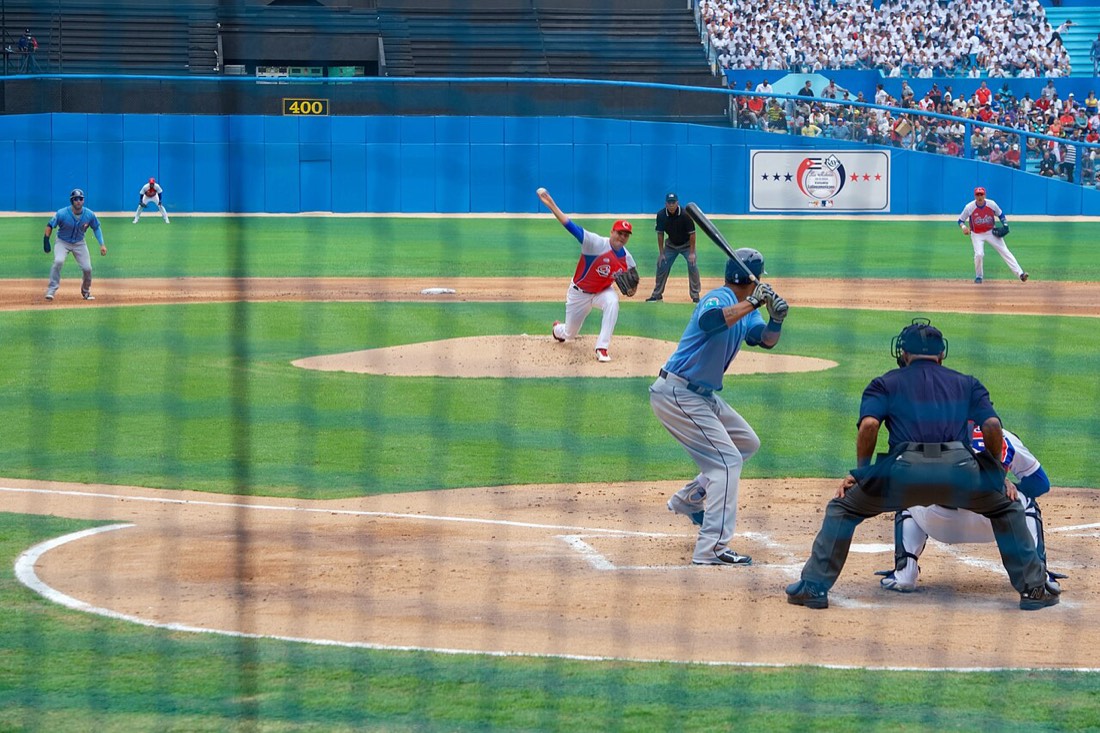
Fall Development Camps Open Across the League
With the summer season closed, Golden State clubs are turning their attention to the fall instructional window, where returning players sharpen fundamentals and new recruits get their first look.
The summer bats are back in the bags, but the fields across the Golden State Collegiate Baseball League are anything but quiet. This week marked the opening of fall development camps, the quieter and arguably more important half of the baseball calendar, where the work that shows up next June actually gets done. For returning players, the fall is about refinement. For the incoming class, it is a first audition.
Camps opened with the familiar rhythm of early-morning fundamentals. Before the sun is fully over the outfield fence, position players are moving through footwork drills, catchers are blocking balls in the dirt, and pitchers are running long-toss programs under the eyes of coaches who are watching mechanics more than velocity. The fall is not about radar guns. It is about building the base that lets a player survive a long summer without breaking down.
Several clubs have emphasized that the fall window is where they do the bulk of their individual instruction. During the summer, the schedule is relentless and games come every night, leaving little room to overhaul a swing or rebuild a pitcher's arm action. The fall, with its lighter game load, is the only real chance coaches get to make meaningful changes and let a player absorb them before the pressure returns.
A Different Kind of Evaluation
For the new recruits, these camps are a careful evaluation that goes well beyond raw talent. Coaches are watching how a player warms up, how he carries himself after a poor at-bat, and whether he picks up instruction the first time or the third. In a league built on rapid development, coachability is treated as a tool in its own right, as valuable as a strong arm or quick hands.
Pitching staffs are following measured throwing programs designed to build arm strength without inviting injury. Rather than pushing young arms to impress, the coaching staffs are capping pitch counts and emphasizing clean mechanics and consistent release. The thinking is simple: a pitcher who arrives in June healthy and repeatable is worth far more than one who flashed big velocity in October and broke down by July.
Defensively, the fall is a chance to work on the unglamorous parts of the game. Infielders spend long sessions on their first step and their transfer, learning to field the ball in rhythm rather than catching and then throwing. Outfielders drill their routes and their crow-hop, and catchers log hour after hour on receiving and game-calling. These are the skills that win close games in the summer, and they are built in the quiet months.
Hitters, meanwhile, are using the lighter schedule to make adjustments they could not risk during the season. A player who struggled with inside velocity in the summer can spend the fall reworking his load and his timing against machine work before ever stepping into a live at-bat. The absence of a scoreboard gives hitters permission to fail while they change, which is exactly what real improvement requires.
Coaches across the league have also pointed to the value of the fall for team culture. The summer rosters are assembled from players who arrive as strangers from different programs, and the fall gives returning leaders a chance to set the tone before the new group gets thrown into competition. Veterans are expected to model the work ethic and the standards that the club wants to carry into the summer.
Strength and conditioning is woven through the entire camp. Rather than treating the weight room as separate from baseball, clubs are integrating mobility work, rotational strength, and recovery into the daily schedule. The goal is durability across a punishing summer slate, and the fall is when that foundation gets poured. Players who buy in now tend to be the ones still performing in August.
There is also a developmental philosophy underneath all of this that the league has embraced for years. The summer season is the showcase, the stretch where scouts fill the stands and reputations are made. But the fall is the workshop. The two cannot be separated. A strong summer is almost always the product of a disciplined fall, and the clubs that treat the instructional window seriously are the ones that consistently send players to the next level.
As camps continue over the coming weeks, coaches will begin sorting through the incoming talent and charting individual development plans for each returning player. Those plans will shape how rosters look when the summer season opens. For now, though, the focus is squarely on the fundamentals, repeated patiently under the fall sun, out of sight of the crowds who will not arrive until the weather warms again.
It is, in many ways, the truest baseball of the year. No standings, no pressure, no highlight reels. Just players and coaches doing the slow, deliberate work that makes everything else possible.
Related Stories
Comments
Be the first to comment on this story.