Culture
Ninety Feet: Baserunning in the Golden State Collegiate Baseball League
Few elements of summer baseball deserve close attention as richly as smart baserunning, yet casual fans time and again overlook it entirely. In the Go
A new generation of players is rewriting the sport's code of conduct. Bat flips, celebrations, and self-expression are no longer crimes against the game.
Baseball has always policed itself through a code that exists nowhere in the rulebook. The unwritten rules governed how you were allowed to celebrate, when you could steal a base, whether you could bunt to break up a no-hitter, and how a hitter was expected to carry himself after a home run. For most of the sport's history, violating that code could get you a fastball in the ribs. Lately, though, the code has been quietly rewritten, and the game is more alive for it.
The classic version of the unwritten rules prized a specific kind of stoicism. A player was supposed to act like he had done it all before. Hit a home run and you put your head down and ran the bases without expression. Celebrating was reading as showing up the pitcher, and showing up the pitcher invited retaliation. An entire generation of players grew up believing that joy itself was a provocation, something to be suppressed in the name of respect.
That ethic made a certain sense in its time. Baseball is a long season, the same opponents meet dozens of times, and a game built on repetition naturally develops norms to prevent the constant friction from boiling over. The unwritten rules were, at their best, a kind of peace treaty, a way for competitors to coexist across a grind that leaves plenty of room for grudges.
But the enforcement often curdled into something joyless and gatekeeping. A young hitter who flipped his bat after a towering home run was not threatening anyone. He was expressing the same emotion that fills the stands. The idea that this spontaneous joy deserved a punishment, delivered at ninety miles an hour, began to look less like tradition and more like insecurity dressed up as honor.
The newer generation of players, raised on highlight culture and global influences, simply refused to accept that bargain. They watched other sports celebrate openly and wondered why their game demanded such emotional austerity. They saw the energy that bat flips and dugout celebrations brought to the stands and asked the obvious question. If the fans love it, and the players love it, who exactly is being harmed?
Much of this cultural shift has roots beyond any single country's traditions. Baseball is a global game now, and some of the most expressive, joyful styles of play have come from leagues where celebration was never treated as an insult. As players from those traditions reshaped the sport, they imported a looser, more honest emotional vocabulary. A big swing followed by a big reaction stopped being an outrage and started being a spectacle people paid to see.
Not everything about the old code deserves to be discarded, and the better players understand the distinction. There is a difference between celebrating your own success and directly taunting an opponent. Admiring your home run is self-expression. Standing at the plate pointing at the pitcher is something else. The emerging code is not lawless. It is simply drawing the line in a more sensible place, around genuine disrespect rather than around any display of feeling at all.
You can see the change in how veterans respond. Where a pitcher might once have retaliated against a bat flip as a matter of principle, many now shrug it off, or even enjoy the challenge. The attitude has shifted from if you celebrate, I will punish you toward if you celebrate, I will get you out next time. That is a healthier form of competition, one that keeps the emotional stakes on the field rather than in a cycle of retaliation.
This matters enormously for a sport fighting to hold the attention of younger fans. For years baseball worried aloud about appearing slow and emotionless compared to flashier competitors. The irony is that it was partly policing away its own excitement. Loosening the code has let the genuine personalities of players shine through, and personality is what turns a casual viewer into a lifelong fan.
At the amateur and collegiate level, this evolution shows up in dugout culture, in the handshakes and the celebrations and the sheer visible joy of young players who are allowed to love the game out loud. Coaches who once demanded stone-faced professionalism are learning that controlled emotion fuels performance rather than undermining it. A team that celebrates together plays harder for one another.
The unwritten rules will never vanish entirely, because any sport built on repeated encounters needs some shared code of conduct. But the specific belief that joy is an offense is dying, and good riddance. Baseball spent a century telling its players to act like nothing special had happened. The game is far better off now that it lets them show how special it really is.
Few elements of summer baseball deserve close attention as richly as smart baserunning, yet casual fans time and again overlook it entirely. In the Go
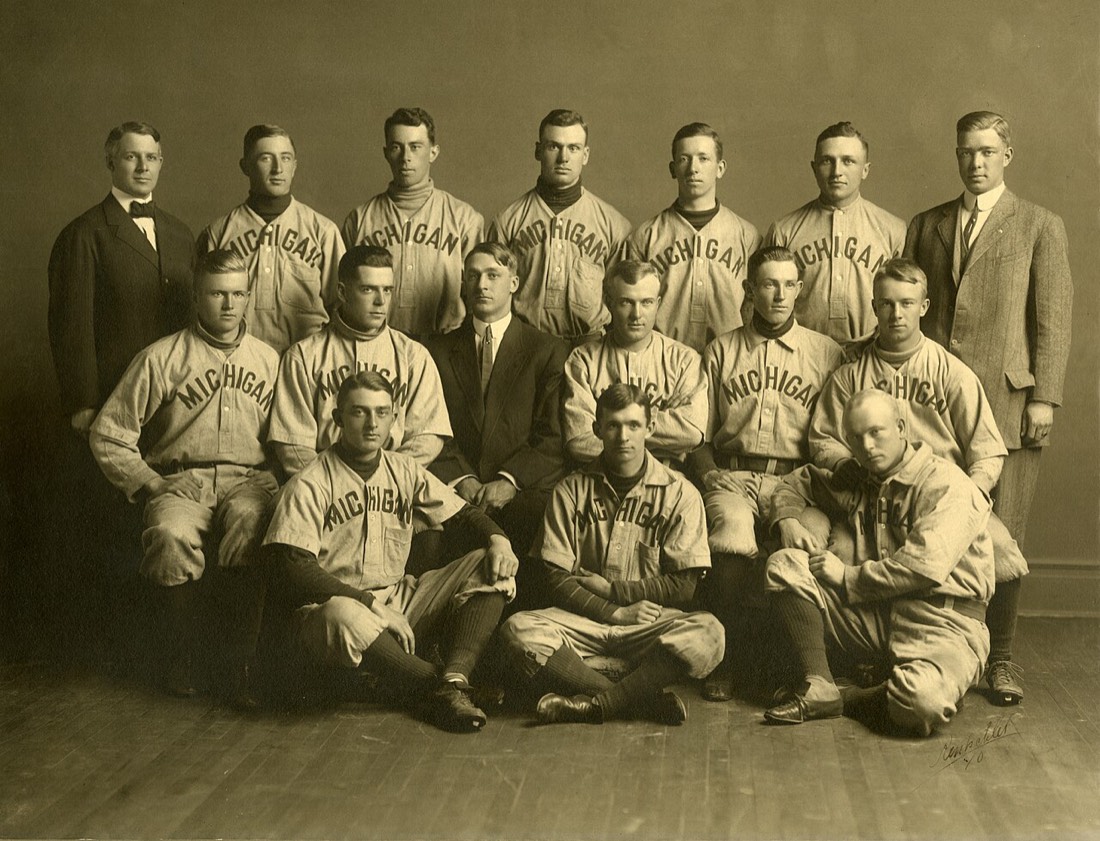
Few elements of summer baseball reward close attention as richly as the league's alumni, yet casual fans frequently overlook it entirely. In the Golde
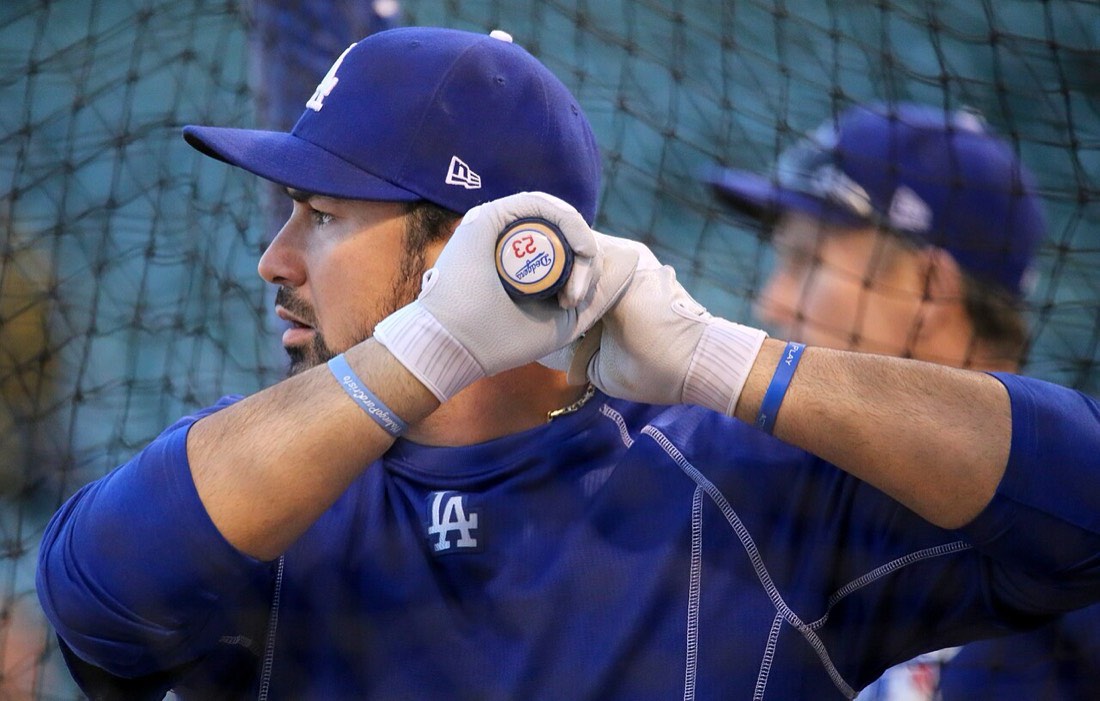
The Golden State Collegiate Baseball League was founded as a modest summer circuit built around one clear idea. The early directors wanted college pla
Comments
Be the first to comment on this story.