News
Offseason Conditioning Sets the Tone for Summer
League strength coaches are rolling out winter conditioning plans built around durability, with an eye on keeping players healthy through next summer's relentless schedule.
The weeks after the summer season end are quietly the most productive stretch on the calendar. Here is how Golden State players turn a short fall window into real progress.
By the time the summer schedule wraps up, most fans assume the baseball year is over. For the players who return to their college programs, though, the calendar is just rolling into one of the most important stretches of development they will experience all year. Fall ball does not draw crowds, it rarely produces memorable box scores, and the standings mean almost nothing. Yet coaches across the Golden State Collegiate Baseball League will tell you that the gains made in October often show up most clearly the following June.
The reason is simple. During the regular season and the summer schedule, a hitter cannot afford to experiment. Every at-bat matters, and tinkering with a swing mid-season is a good way to slump your way out of the lineup. The fall is different. With no playoff race attached to the outcomes, a player can rebuild a stance, close a hole on the inner half, or finally commit to the two-strike approach a coach has been nagging about for two years.
Pitchers benefit even more. A fall bullpen is a laboratory. This is where a right-hander who has lived on a fastball and a loose slider can seriously try to add a changeup, throwing it in live situations where failure carries no cost. A pitcher who walks four hitters in a scrimmage while learning a new grip is not failing. He is paying tuition on a pitch that could become his best weapon by spring.
What separates the players who make the leap from those who tread water is rarely talent. It is intent. The most productive fall players arrive with a specific, narrow goal rather than a vague desire to get better. One hitter might focus entirely on staying inside the baseball and driving the opposite-field gap. A middle infielder might dedicate the whole fall to his footwork around the bag on the back half of a double play. Narrow goals are measurable, and measurable goals get accomplished.
There is a psychological element here that gets overlooked. Players spend most of their baseball lives afraid of failure because failure has consequences, such as a smaller role, a worse batting average, or a lost roster spot. Fall ball strips those consequences away, and in doing so it strips away the fear. A hitter who is not afraid of striking out will take the kind of aggressive, committed swings that actually build a better swing. The absence of pressure is not a bug in the fall format. It is the entire point.
Coaches use this window to gather information as much as to teach. A staff watching fall scrimmages is cataloging who can handle a velocity jump, who shortens up with two strikes, which young arm holds his delivery when he gets tired in the fifth inning. That information shapes the spring depth chart long before the first real game. A player who treats fall ball as a six-week job interview, rather than meaningless practice, tends to earn trust that carries into the games that count.
Strength work runs parallel to all of this. The fall is also when players build the physical base that will carry them through a long season. A pitcher is not going to add three miles per hour to his fastball by throwing more bullpens. He adds it through a disciplined offseason program that develops the posterior chain, improves hip mobility, and teaches his body to decelerate the arm safely. The reps on the mound in the fall are there to transfer that new strength into usable mechanics.
Nutrition and sleep, unglamorous as they are, quietly separate players during this stretch too. College athletes are notorious for poor habits, and the fall is a low-visibility time to build better ones. A player who dials in his recovery in October arrives at spring training more durable and more consistent than a more talented teammate who coasted.
There is also a cultural benefit to the fall that is harder to measure. Returning veterans set the tone for incoming freshmen during these weeks. The way a team practices when nobody is watching becomes the way it competes when everybody is. A fall roster that takes early work seriously, runs the bases correctly in meaningless scrimmages, and backs up throws when the score does not matter is building the habits that win close games in the summer.
For the players themselves, the honest challenge is sustaining focus when the scoreboard offers no reward. It is easy to compete when a championship is on the line. It is a different kind of discipline to attack a drill with full effort on a grey October morning with no fans, no stakes, and no statistics being recorded. The players who can do that are usually the ones you see taking a step forward when the lights come back on.
So when the summer season fades and the headlines move on, the real work is only beginning for the athletes who understand the calendar. The fall will not make anyone famous. It will, quietly and without an audience, decide who is ready when it counts.
League strength coaches are rolling out winter conditioning plans built around durability, with an eye on keeping players healthy through next summer's relentless schedule.
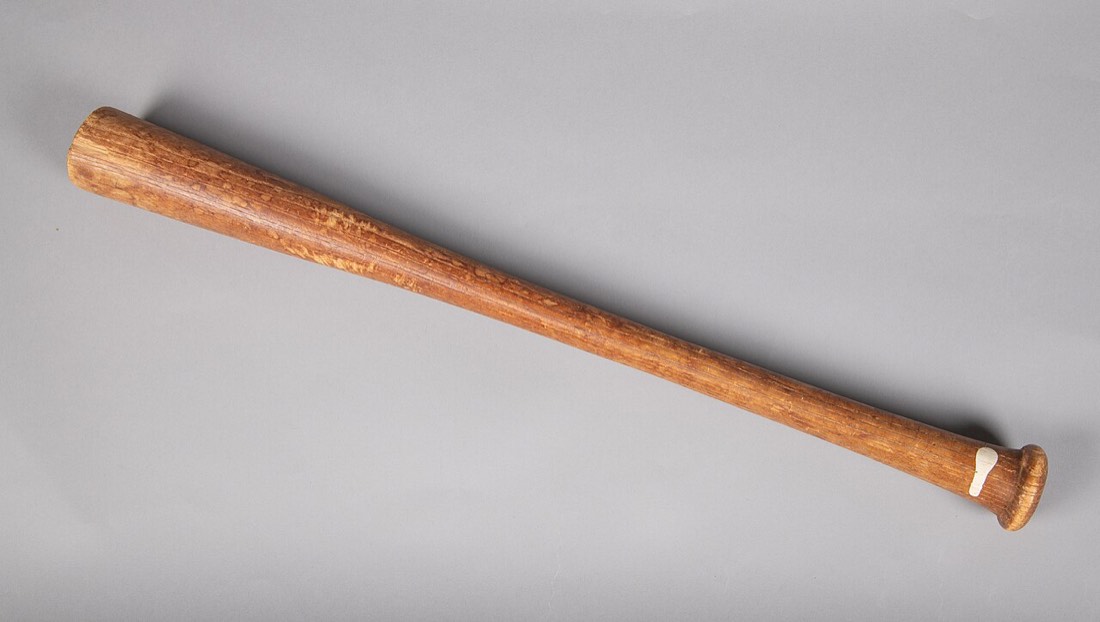
When the summer schedule ends, the real work on health, weight and recovery begins for players across the Golden State Collegiate Baseball League.
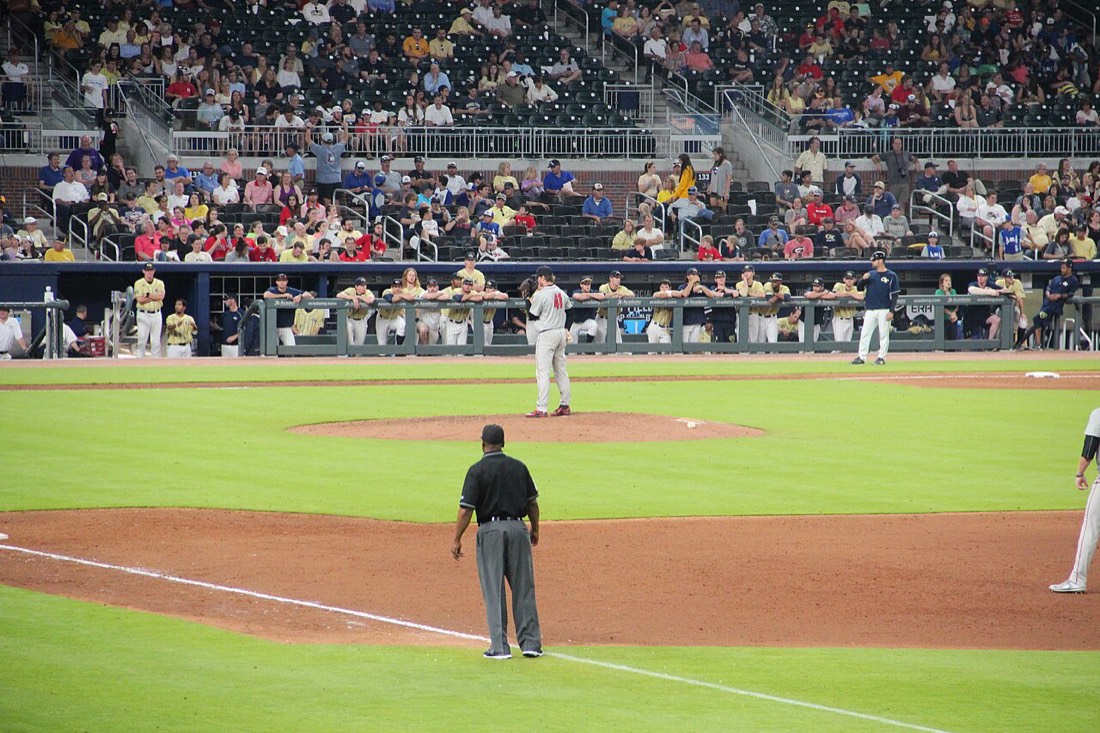
Inside the Golden State Collegiate Baseball League, the quiet routines around sleep, food and hydration often matter as much as the swings players take on the field.
Comments
Be the first to comment on this story.