stories
How a Walk-Off Rally Actually Builds, Pitch by Pitch
A walk-off rally rarely happens in one swing; it builds pitch by pitch through small decisions, shifting pressure, and compounding tension.
When the long ball goes quiet and runs come one base at a time, the old craft of bunting, stealing, and situational hitting decides who wins the tight ones.
There are nights when the scoreboard refuses to move. The pitching is sharp, the ball is not carrying, and both teams are stuck somewhere around one or two runs apiece deep into the game. In those games, the clubs that know how to manufacture a run, to build one out of small, deliberate parts rather than wait for a single swing to deliver it, tend to come out ahead. This is small ball, the patient, unglamorous craft of scratching across runs when they will not arrive any other way.
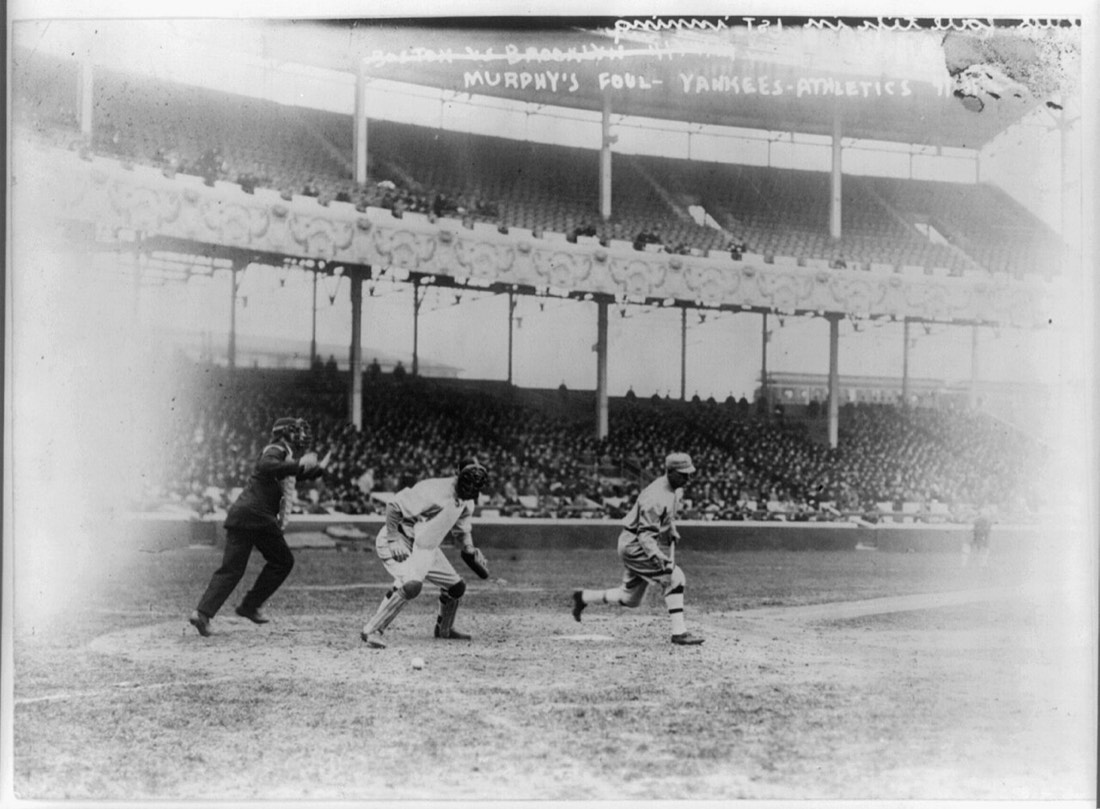
Small ball has drifted in and out of fashion over the years, often dismissed when offense is plentiful and rediscovered the moment runs grow scarce. But at the collegiate level, where pitching can dominate and the environment does not always reward power, the style never really left. A team that can bunt, run, and hit behind the runner holds a real advantage in the close games that so often decide a season.
The sacrifice bunt draws plenty of criticism, and some of it is fair. Giving away an out is a genuine cost, and in a high-scoring game it rarely makes sense. But in a low-scoring game, where a single run can decide the outcome, the calculation changes. Moving a runner from first to second, or second to third, puts him a base closer to scoring and opens up new ways to bring him home, a ground ball to the right side, a medium fly, a wild pitch.
The best bunters do more than lay one down on command. They read the defense and the situation. A drag bunt against a corner infielder playing deep can turn a sacrifice into a hit, reaching base and keeping the out in the bank. A well-placed bunt down the third-base line forces the pitcher to field it off balance. These are learned skills, practiced until the hands know the angle without thinking, and a team that works at them turns a routine play into a weapon.
Nothing unsettles a pitcher quite like a runner who might go. The threat of a stolen base shortens his focus, pulls his attention off the hitter, and tempts him into quicker deliveries and worse pitches. A runner who reads the pitcher's move, gets a strong jump, and takes second changes the entire shape of an inning without the bat ever leaving the shoulder.
Base running in small ball is about more than stolen bases, though. It is about taking the extra base on a single to the outfield, about going first to third when the throw goes somewhere else, about forcing the defense to make a perfect play rather than a routine one. Aggressive, intelligent running creates mistakes. A rushed throw sails wide. A relay is a beat late. Runs that were never earned at the plate come across because the other team was forced to execute under pressure and could not quite manage it.
Situational hitting is the heart of small ball, and it is the skill most often lost when hitters are taught only to swing hard. With a runner on second and nobody out, the job is to move him to third, which often means hitting a ground ball to the right side even at the cost of an out. With a runner on third and fewer than two outs, the job is to put the ball in play, to get it deep enough to bring the run home. These at-bats ask a hitter to give up a little of his own ambition for the good of the inning.
Hitters who embrace this role are quietly invaluable. They shorten their swings with two strikes, foul off tough pitches, and refuse to give the pitcher an easy out. They take the pitch the other way when the situation calls for it rather than trying to pull everything. None of this shows up as a highlight, but it is how innings get extended and how a single baserunner turns into a run.
Small ball is not a philosophy to apply blindly. Giving away outs in search of a single run makes little sense when a team is capable of a big inning, and a manager who bunts in every situation surrenders the chance for the three-run frame that buries an opponent. The art is in reading the game. In a tight, low-scoring contest against a dominant pitcher, one run may be the whole game, and manufacturing it is worth the cost. In a slugfest, the same tactics simply leave runs on the table.
The teams that master this balance are a nuisance to play against. They do not need everything to go right. They take what the defense gives, apply steady pressure, and find ways to score when scoring is hard. In the games where no one can hit, that patience and craft is often the only thing separating a win from a loss. Small ball endures because tight games endure, and someone always has to find a way to push across the run that decides them.
There is also a cost to the defense that rarely gets counted. A lineup that bunts, runs, and slaps the ball the other way forces the fielders to think about far more than catching and throwing. The corner infielders have to honor the bunt, which pulls them in and opens holes behind them. The middle infielders have to watch the runner, which can pull them a half step toward the bag and out of position. The pitcher has to vary his looks to the runner instead of settling into a comfortable rhythm. None of this shows up as a run, but all of it tilts the next pitch slightly in the offense's favor.
Developing these skills takes a kind of practice that is easy to skip. Bunting drills, base-running reads off live pitching, situational hitting with runners placed on the bases, all of it is less satisfying than taking batting practice and watching balls fly over the fence. Yet the teams that invest in it arrive at the tight September games with tools their opponents simply do not have. When the long ball will not come, those tools are the whole difference, and the quiet work done months earlier is what lets a club manufacture the run that wins the game.
A walk-off rally rarely happens in one swing; it builds pitch by pitch through small decisions, shifting pressure, and compounding tension.
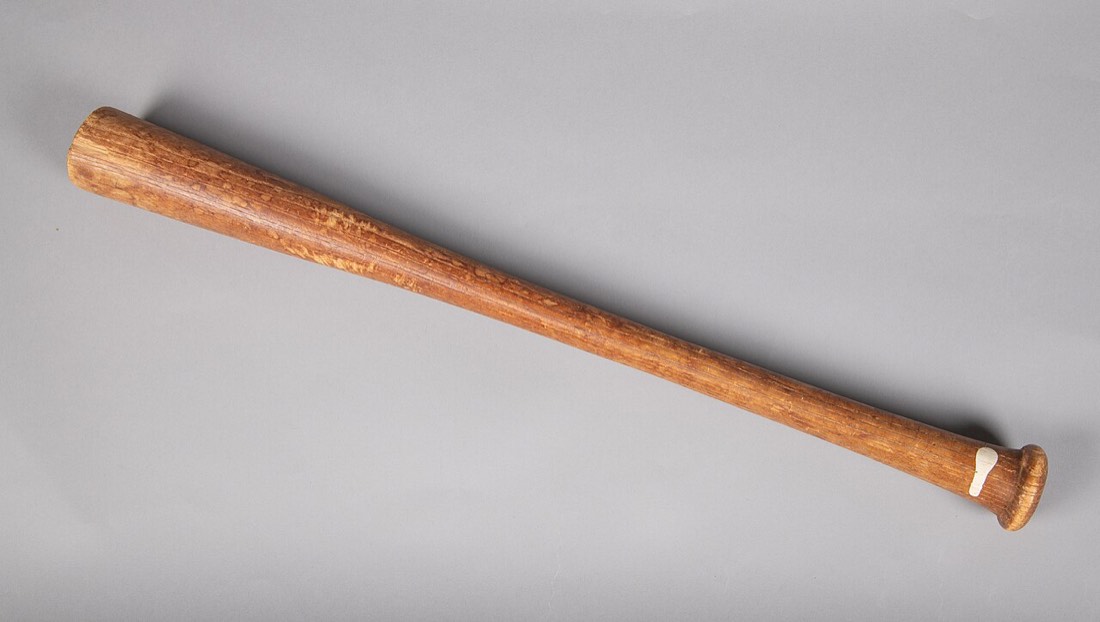
The catcher reads the hitter, manages the pitcher's emotions, and sees the whole field, which is why the best ones shape a game more than any box score shows.
When two games land on the same day, the strengths that carry a club through an ordinary week matter less than the arms it can actually send to the mound.
Comments
Be the first to comment on this story.