The Field General of Every GSCBL Pitching Staff
Among all the positions on a summer roster, few are as challenging or as underappreciated as the catcher. He crouches behind the plate for nine inning
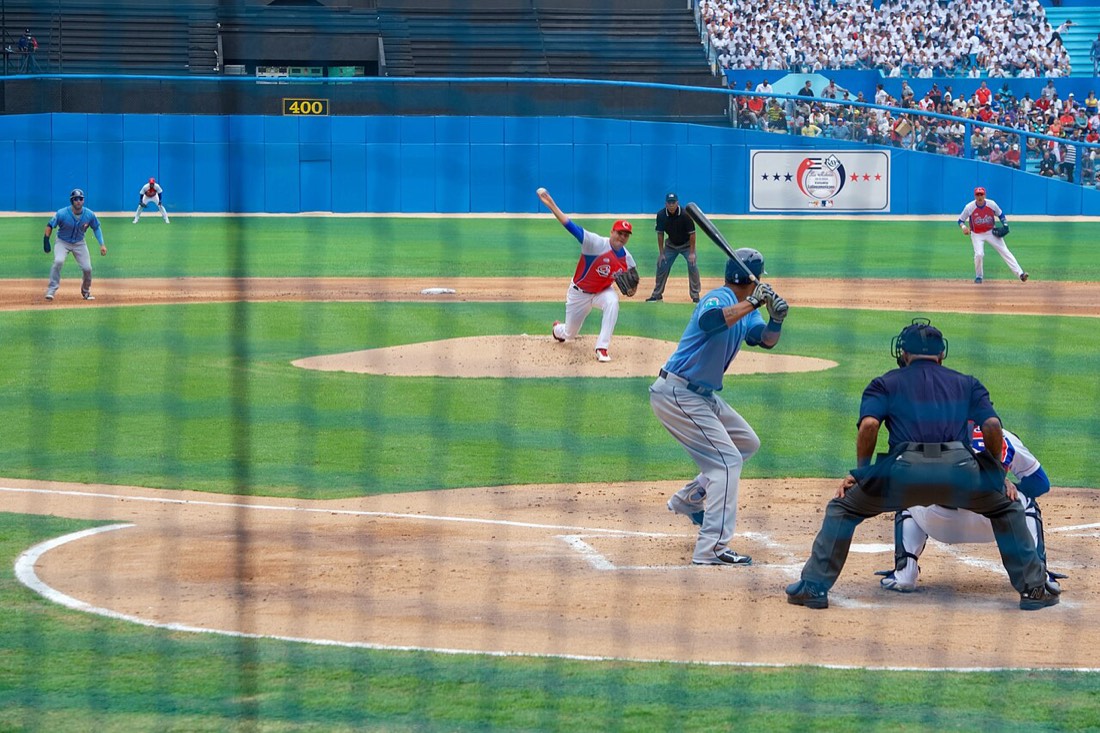
Among all the positions on a summer roster, few are as challenging or as underappreciated as the catcher. He crouches behind the plate for nine innings in July heat, absorbing foul tips and blocking pitches in the dirt. While the crowd watches the hitter and the pitcher, the catcher is steering the entire defense pitch by pitch. It is a job that requires intelligence as much as toughness. The best ones make the hardest position on the field look almost routine.
The catcher's morning begins long before the first pitch. He arrives early to study the scouting notes on the opposing lineup with his manager. Together they sketch how to attack each hitter, which pitches to hide and which to avoid. He checks in with the night's starter to learn how the pitcher's arm feels that day. By the time warmups end, the catcher already holds a detailed plan in his head.
Communication is the engine of the position. Through a series of cues, the catcher tells the pitcher what to throw and where, adjusting the plan as the at-bat unfolds. He must sense when a tiring pitcher needs a different approach and when a confident one should keep attacking. A single miscommunication can turn into a passed ball or a home run. Because of that, a catcher who keeps his head is worth more than one who merely has a strong arm.
Blocking the plate and controlling the running game define the physical side of the job. When a runner tries to steal, the catcher must pop up and fire a throw to second in under two seconds. His footwork, polished over thousands of repetitions, makes the difference between an out and a stolen base. He also snuffs out pitches in the dirt to keep runners from advancing. Each of these skills looks simple until you try it in the ninth inning with aching knees.
Leadership is perhaps the catcher's most important contribution, and it rarely shows up in a box score. He is the only player who faces the rest of the defense, so he naturally serves as the field general. When the infield gets anxious, he jogs out to settle everyone down. When the pitcher loses command, the catcher steps in to slow the game down and reset. Teammates look to him precisely because the position demands composure under pressure.
The summer format adds a particular wrinkle to the catcher's life. In the Golden State Collegiate Baseball League, a catcher often works with pitchers he has known for only a few weeks, drawn from scattered college programs. He must build a connection quickly, learning each arm's tendencies on the fly. There is no luxury of a long spring season to develop that bond. The catchers who excel are the ones who can forge a working relationship in a handful of bullpen sessions.
Physically, catching through a summer schedule is a war of attrition. The accumulated toll of crouching, blocking, and getting banged up wears on the body by August. Smart managers rotate their catchers to keep them fresh for the stretch run. A catcher learns to nurse his energy, saving his legs for the moments that matter most. Those who ignore the maintenance hit a wall before the playoffs arrive.
The mental file a catcher keeps grows larger with every game. He remembers that a certain hitter chases sliders low and away in two-strike counts. He recalls which opposing runners fake a steal and which ones actually go. This institutional memory grows into a weapon that sharpens as the summer wears on. By the final weeks, a good catcher practically reads the other dugout's intentions.
For scouts and college coaches, the catcher position offers a revealing window into a player's makeup. They watch how he handles a pitcher who is struggling and whether he keeps his body language composed. They note whether teammates follow him in tense moments. These intangibles often matter more than raw arm strength. A summer behind the plate reveals exactly what kind of leader a young player will become.
Catchers also tend to mature into coaches and managers later in life, and the summer league is where that path often takes root. The habit of thinking several pitches ahead, of managing personalities, translates naturally to a dugout role. Many a summer catcher has returned years later to manage a club in the same league. The position is, in a sense, a training ground for baseball leadership. That continuity gives the league a renewable supply of knowledgeable coaches.
Ultimately the catcher embodies the quiet virtues that make the summer game work. He will never attract the cheers a slugger gets for a long home run. His best work is overlooked, measured in pitches blocked and innings navigated cleanly. Yet every pitcher who thrives owes a quiet debt to the man crouched behind the plate. Learn to watch the catcher, and you learn to watch the real game within the game.
Related Stories

Comments
Be the first to comment on this story.