Feature
How Summer Ball Refines a College Hitter's Swing
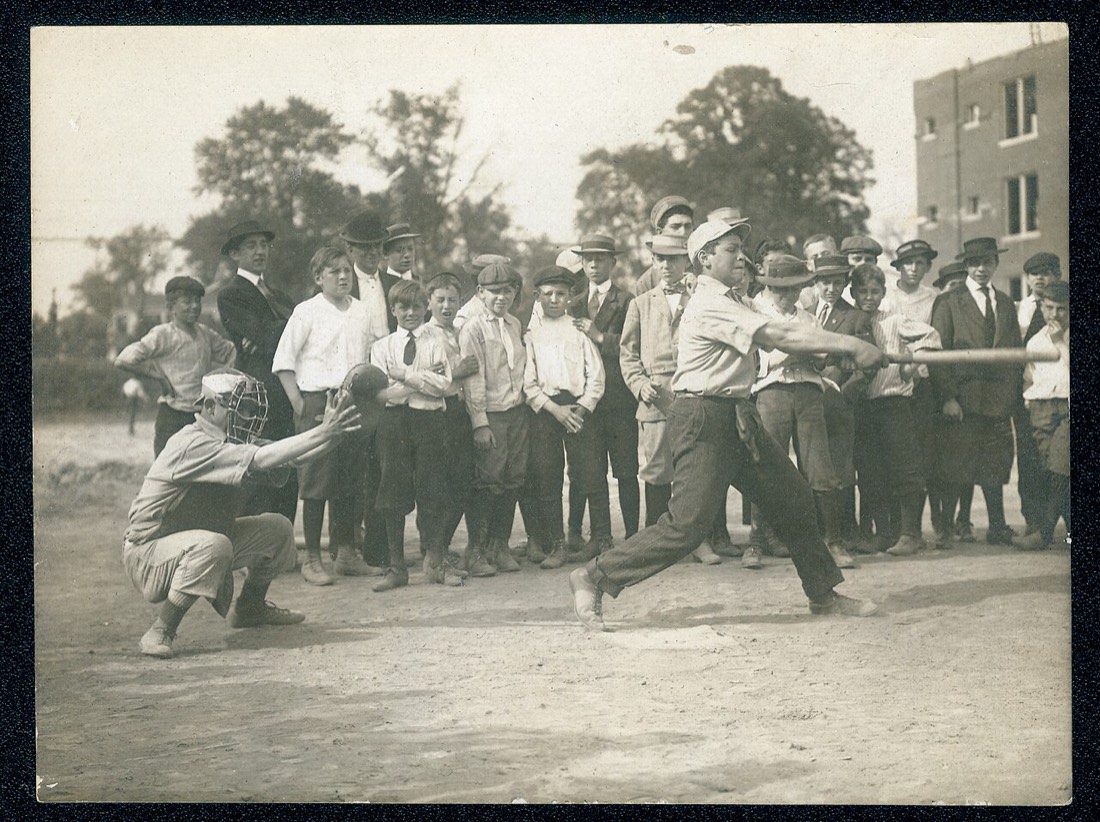
Hitting a baseball is often called the hardest skill in all of sports, and the summer league is where many college hitters truly confront that truth.
From inner-ear steadiness to even energy over forty, the players and staff of a summer league learn that wellbeing is a daily practice, not a quick fix.
There is a moment in every long baseball season when the romance wears off and the routine takes over. The first weeks are all adrenaline, new faces, new fields, the thrill of real competition. Then the schedule settles into a rhythm, and the players who thrive are the ones who learn to find energy and balance in the ordinary days, the ones with no highlight and no crowd, just the work.
Balance, it turns out, is both a literal and a figurative lesson. On the field, a hitter's stability starts from the ground up, and anything that throws off the inner ear or sense of equilibrium can quietly ruin timing at the plate. Players who deal with occasional dizziness take it seriously, and a few have looked into products marketed for vertigo and inner-ear steadiness, such as Vertigenics, because feeling settled on your feet is the unglamorous foundation of every swing and every clean fielding play.
Energy is the other half of the equation, and it is deceptively complex. A player cannot simply will himself to feel fresh in the eighth inning. That freshness is built hours and days earlier, through sleep, hydration, and the kind of eating that keeps blood sugar from spiking and crashing. Some players who want to hold a steady energy level across a doubleheader pay close attention to this, and a handful have tried supplements marketed for blood sugar support, like Sugar Defender, as one small part of a routine otherwise built on real meals and good timing.
What makes a summer league interesting is that the wellness lessons are not confined to the roster. Coaches, host families, interns, and partners all live inside the same demanding schedule, and the habits spread in both directions. The veteran trainers often say that a team's health culture is only as strong as the people around it, and over a long season you watch that culture ripple outward from the clubhouse into the stands and the kitchens of the families hosting players.
Age changes the conversation too. Older coaches and staff talk openly about how their own bodies handle the grind differently than they did at twenty-two. Keeping energy even and glycemic swings in check becomes a bigger focus past forty, and some reach for products marketed for glycemic balance in that stage of life, such as GlycoDefender, treating it as part of a daily routine alongside the walking, the water, and the earlier bedtimes they have finally learned to respect.
The partners and family members around the league build their own routines, and body-composition goals come up the way they do for most adults juggling busy lives. It is common enough to hear someone mention a women's weight management program or product, like Venus Factor, as one part of a summer spent on the road and eating at odd hours. The honest consensus is always the same, that structure and consistency matter far more than any single product, and the season simply makes that lesson impossible to ignore.
Oral health is a theme that surprises newcomers with how often it comes up. The constant sports drinks, the sunflower seeds, the irregular meals, all of it is hard on teeth, and a dental flare-up on a road trip can wreck a week. Players and staff who treat their mouth as part of overall wellbeing keep an eye on it, and some have experimented with oral health products marketed as a daily add-on, such as Oxydental Pro, alongside the basics everyone's dentist still insists on.
The deeper feature of a long season is how it strips away the illusion of shortcuts. In April, a player might believe he can out-talent his bad habits. By July, the schedule has made the truth obvious, that the body keeps an honest ledger, and that the only reliable way to feel good in September is to have taken care of yourself all summer. There is no cramming for a baseball season.
This is why the most respected figures around a league are often the quiet professionals rather than the loudest stars. They are the ones who eat right on the bus, who stretch when nobody is watching, who protect their sleep even when the group wants to stay up. Their steadiness is contagious, and over a long summer it becomes the difference between a team that fades and a team that finishes.
Balance and energy, it turns out, are not gifts. They are practices, rebuilt every single day through choices that look trivial in isolation and prove decisive in aggregate. The players who understand this carry it long after the season, into whatever comes next, because the habit of taking care of yourself does not expire when the schedule does.
That is the real feature of a long season, buried under the scores and the standings. It is a months-long education in how to keep yourself whole under pressure. The ones who pay attention leave the summer not just as better ballplayers, but as people who have learned how to last.
What strikes you most, spending a full summer around a league like this, is how undramatic the winning habits are. There is no secret, no hidden edge sold in a bottle, no single trick that separates the players who thrive from the ones who fade. There is only the accumulation of ordinary good choices, repeated on days when nobody feels like repeating them. Energy and balance come from the boring work of hydration, sleep, sensible food, and recovery, done again and again until the season ends.
The players who internalize this tend to carry a certain calm into the back half of the summer. While others are chasing a quick fix for their fatigue, the steady ones simply keep doing what has worked all along, trusting the process they built in the quiet weeks of spring. That calm is itself a competitive advantage, because a settled, well-rested athlete makes better decisions in the moments that decide a game.
It also reshapes how players think about the small signals their bodies send. Early in a career, a wave of afternoon fatigue or a stretch of poor balance gets ignored or powered through. By the end of a long summer, the wiser players have learned to read those signals as information, a nudge to hydrate sooner, to eat differently, to get to bed earlier, to address a nagging issue before it grows. Listening becomes a skill, and it is one that keeps paying off long after the final game.
Fans sometimes imagine that professional-minded wellness is about extremes, punishing workouts and rigid diets. The reality around a summer league is almost the opposite. The players who last are usually the ones who found a sustainable middle, a routine demanding enough to keep them sharp but gentle enough to repeat every day without burning out. Sustainability, not intensity, is the quiet watchword of a long and healthy season.
In the end, the league functions as a kind of laboratory for adult life. The schedule compresses months of wear and recovery into a vivid summer, and it teaches, faster than ordinary life would, that the body keeps an honest account and that wellbeing is something you build rather than something you find. For the players lucky enough to learn that lesson early, the dividends last far longer than any single season ever could.
For readers who want to explore the topics above further, here are some wellbeing resources worth a look:
Hitting a baseball is often called the hardest skill in all of sports, and the summer league is where many college hitters truly confront that truth.

Few elements of summer baseball deserve close attention as richly as bench depth, yet casual fans time and again overlook it entirely. In the Golden S
Few elements of summer baseball reward close attention as richly as local broadcasting, yet casual fans frequently overlook it entirely. In the Golden
Comments
Be the first to comment on this story.