News
The Catcher as Field General: Calling a Game From Behind the Plate
The catcher reads the hitter, manages the pitcher's emotions, and sees the whole field, which is why the best ones shape a game more than any box score shows.
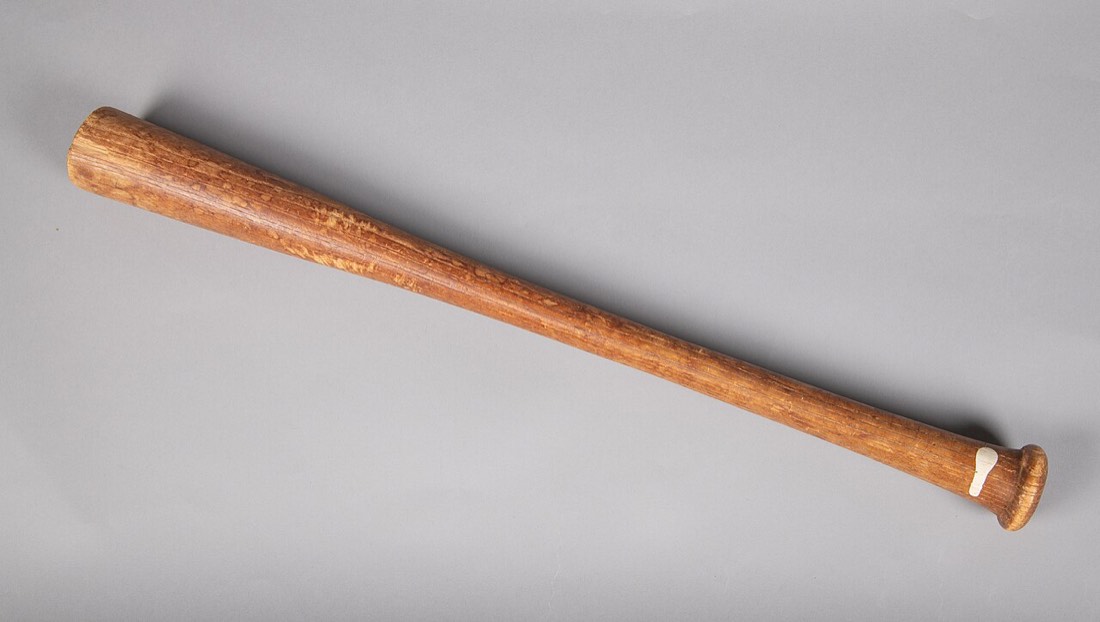
The switch from metal to wood is one of the biggest adjustments a college hitter makes. Here is why it matters.
Walk into any college game and you will hear the unmistakable ping of a metal bat. Walk into a summer league game and you will hear something different, the solid, old-fashioned crack of wood.
The switch is more than nostalgia. Wooden bats have a smaller sweet spot and far less forgiveness, which rewards clean mechanics and punishes mishits. Hitters who thrived on metal in the spring often need weeks to adjust.
Most players favor maple or ash. Maple is denser and more durable; ash is lighter and more flexible. The right choice comes down to feel, swing speed and personal preference, and many players experiment through the early weeks of summer before settling on a model.
For scouts, performance with wood is a meaningful signal. It is one of the clearest ways to see how a college hitter's game will translate to the next level.
The catcher reads the hitter, manages the pitcher's emotions, and sees the whole field, which is why the best ones shape a game more than any box score shows.

When two games land on the same day, the strengths that carry a club through an ordinary week matter less than the arms it can actually send to the mound.
Baseball's unwritten rules still govern dugout conduct, respect, and the rhythms of the game, even as the sport grows more expressive and modern.
Comments
Every freshman struggles with the switch. By August they are better hitters for it.