Ask any scout what a wood bat summer league tells them that a college season cannot, and the answer comes back fast: the truth. The Golden State Collegiate Baseball League, like its peers, is a wood bat circuit by design, and that single choice shapes everything about how players are developed and evaluated here. In an era of advanced metal alloys and composite barrels, the wood bat remains the honest measuring stick.
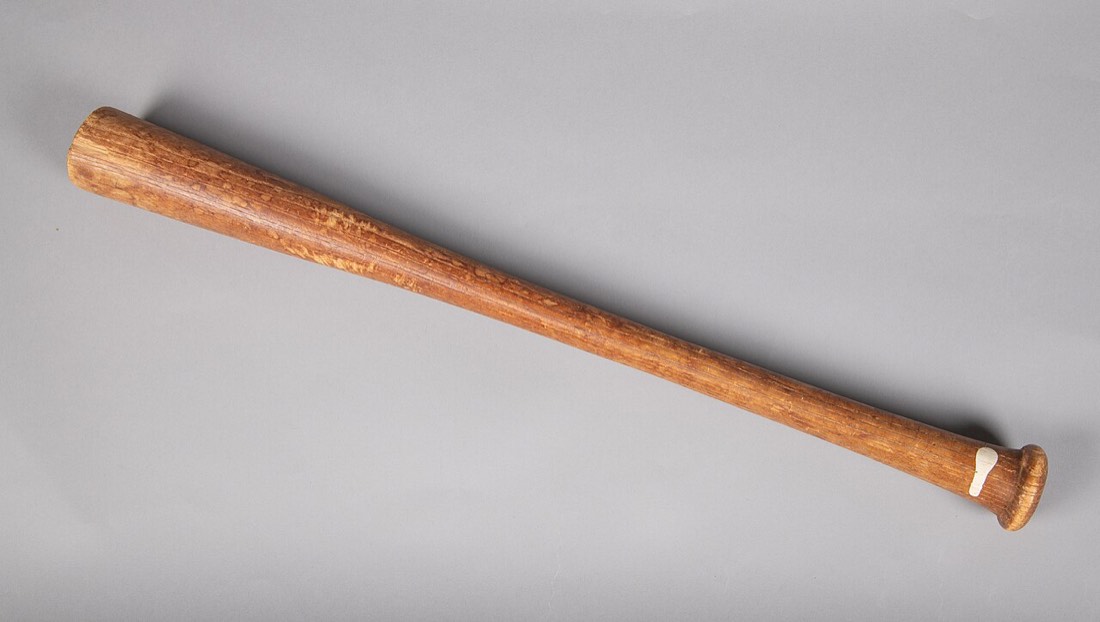
The physics are not complicated. A metal bat has a larger and more forgiving sweet spot, a lighter swing weight, and a trampoline effect that rewards contact even off the end of the barrel or in on the hands. Wood is unforgiving. Miss the sweet spot and you feel it in your hands, and the ball dies in the infield. For a hitter, the difference is humbling, and it is exactly that humbling that scouts want to see.
What the wood bat strips away is the illusion of power. A college hitter who posts big numbers with an alloy bat might be benefiting from the equipment as much as his own strength. Put wood in his hands over a full summer, and the picture clarifies. The hitters who continue to drive the ball are showing genuine bat speed and barrel control. The ones whose power evaporates were leaning on the bat, not their hands.
Learning to Hit on the Barrel
There is a developmental benefit too, not just an evaluative one. Hitters who spend a summer with wood learn to find the barrel because they have no choice. The feedback is immediate and physical. A ball struck on the sweet spot of a wood bat has a sound and a feel that nothing else matches, and a ball struck anywhere else punishes the hitter instantly. Over hundreds of at-bats, that feedback loop trains a more precise swing.
Coaches in the league point out that the adjustment also forces hitters to refine their approach. Because wood offers no margin for error on mishits, hitters learn quickly that chasing pitches off the plate produces nothing but broken bats and weak grounders. The equipment itself nudges them toward better pitch selection, reinforcing the plate discipline that the summer game is built to develop.
The transition is not always smooth, and that is part of the point. Players who arrive in June accustomed to metal often go through a slump in their first couple of weeks as their timing and contact point adjust. Smart clubs expect this and do not panic over early numbers. What they watch for is how quickly a hitter adapts, because that adaptability is itself a signal about how he will handle the next level.
For professional organizations, the relevance is obvious. The next level is a wood bat game, and it always has been. A summer of wood gives scouts a preview of how a college hitter's tools will translate when the equipment stops helping him. A hitter who already produces with wood has crossed a bridge that many of his peers have not, and that matters enormously in how he is projected.
The durability factor plays a role in development as well. Wood bats break, and they break in ways that teach. A hitter who shatters bat after bat getting jammed inside is getting a vivid lesson about his hands and his timing. Clubs use this as coaching leverage, turning a broken bat into a teaching moment about staying inside the ball and letting pitches travel.
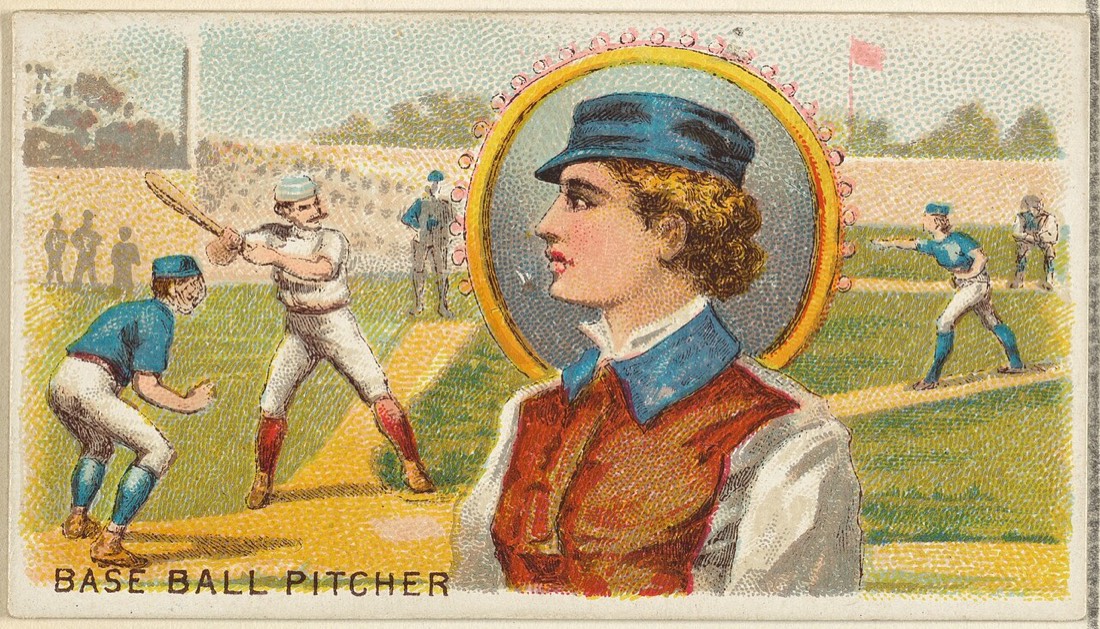
There is also something cultural about the wood bat tradition that the league values. Baseball at its highest level has always been a wood game, and the sound of a wood bat carries a connection to the history of the sport that players and fans both feel. For young players chasing a professional dream, swinging wood over the summer is a tangible step toward the game they aspire to play.
None of this means metal bats have no place. They are a practical choice for amateur and youth baseball, where cost and durability matter and where the game serves a broader developmental and participatory purpose. But the summer collegiate circuit occupies a specific niche, bridging the amateur and professional worlds, and the wood bat is central to that bridge.
As this fall's evaluations continue and clubs look ahead to next summer's rosters, the wood bat will remain the quiet constant in every conversation. It cannot be fooled, it cannot be gamed, and it rewards only the genuine article. For a league whose entire purpose is to prepare players for what comes next, that honesty is not a drawback. It is the whole point.
So when the summer season opens again and a new class of hitters steps into the box with wood in their hands, the slow sorting will begin once more. Some will find the barrel and keep climbing. Others will learn exactly how much the bat was carrying them. Either way, the truth will come out, one honest swing at a time.

Comments
Be the first to comment on this story.