Analysis
What the Numbers Reveal About Player Durability Across a Long GSCBL Season
A closer look at how availability, recovery and daily habits quietly shape the standings in the Golden State Collegiate Baseball League.
A catcher's glove can steal strikes that never crossed the zone. We look at how framing is taught and why it quietly decides close games.
Of all the skills in baseball, framing is the one that fans understand the least and that wins the most games nobody notices. A catcher who can turn a borderline pitch into a called strike, pitch after pitch, is quietly handing his pitcher extra outs and his team extra innings of control. In the Golden State Collegiate Baseball League, where development is the entire mission, framing has become one of the most carefully taught skills on the field.
At its core, framing is the art of receiving a pitch in a way that presents it to the umpire as a strike. It is not about moving the ball after it lands in the glove, which umpires see through instantly and resent. It is about catching the pitch with soft hands, sticking it quietly on the edge of the zone, and holding it there just long enough for the umpire's eye to register a strike. Done well, it is nearly invisible.
The mechanics begin with the setup. A good receiving catcher sets up in a relaxed, athletic crouch that lets him move freely in any direction. He presents a quiet target, and crucially, he gets to the pitch early rather than stabbing at it late. The catchers who struggle are the ones who are still moving when the ball arrives, because late movement drags a strike out of the zone and turns it into a ball.
The hands are where the real craft lives. A framer catches the bottom of the zone by turning his glove so the fingers point outward rather than down, scooping the low pitch up into the zone rather than letting the glove drop below it. On the edges, he works to catch the outside corner with the glove moving slightly toward the middle, so the final image the umpire sees is a ball settled in the zone rather than drifting off it.
Stillness matters as much as technique. After the catch, the best framers freeze. They hold the glove dead still for a beat, giving the umpire a clean, stable picture to judge. A catcher who snaps his glove back toward the zone after catching the pitch, trying too hard to sell it, achieves the opposite of what he wants. Umpires reward quiet confidence and punish desperation.
Framing the low pitch is the single most valuable version of the skill, because the bottom of the zone is where umpires are most uncertain and where the most strikes can be stolen. A catcher who can consistently receive the pitch at the knees and present it as a strike transforms a pitcher's entire arsenal, suddenly making the sinker and the curveball viable in counts where they would otherwise be wasted.
There is a body-positioning element too. Catchers are increasingly taught to receive from a slightly lower and more mobile stance, sometimes with one knee down, which lets them get under low pitches and work them upward. The one-knee setup trades a little blocking agility for a significant gain in receiving the bottom of the zone, and clubs weigh that trade carefully depending on the pitcher and the game situation.
What makes framing such a rewarding teaching project is that it is learnable. Unlike raw arm strength or pure foot speed, receiving is almost entirely a skill of technique and repetition. A catcher who commits to the work can measurably improve his ability to earn strikes within a single summer, and coaches in the league treat it as one of the highest-return investments of their instructional time.
The relationship between catcher and pitcher deepens the effect. A pitcher who trusts his catcher to steal the borderline strike will attack the edges of the zone more aggressively, which in turn produces weaker contact and more strikeouts. The framing quietly expands what the pitcher is willing to throw, and that expanded arsenal ripples through every at-bat in the game.
Of course, framing is only one piece of the catching job, and it cannot come at the expense of the others. A catcher who receives beautifully but cannot block a ball in the dirt or control the running game is a liability in high-leverage spots. The league's coaches are careful to develop the whole position, treating framing as a jewel set within a larger body of defensive work rather than a standalone trick.
Still, when a close game turns on a single pitch, it is often the catcher's glove that decided it long before. A called third strike on the outside corner to end an inning, a borderline strike that flips a 2-1 count to 1-2, a low pitch received cleanly to set up the putaway. None of it shows up in a box score, and most of it escapes the crowd entirely.
That invisibility is exactly why framing is such a telling marker of a catcher's development. The ones who master it are doing the hardest kind of work: the kind that helps the team enormously and earns almost no recognition. In a league built to prepare players for the next level, where every called strike matters, that quiet art is worth more than any highlight.
A closer look at how availability, recovery and daily habits quietly shape the standings in the Golden State Collegiate Baseball League.
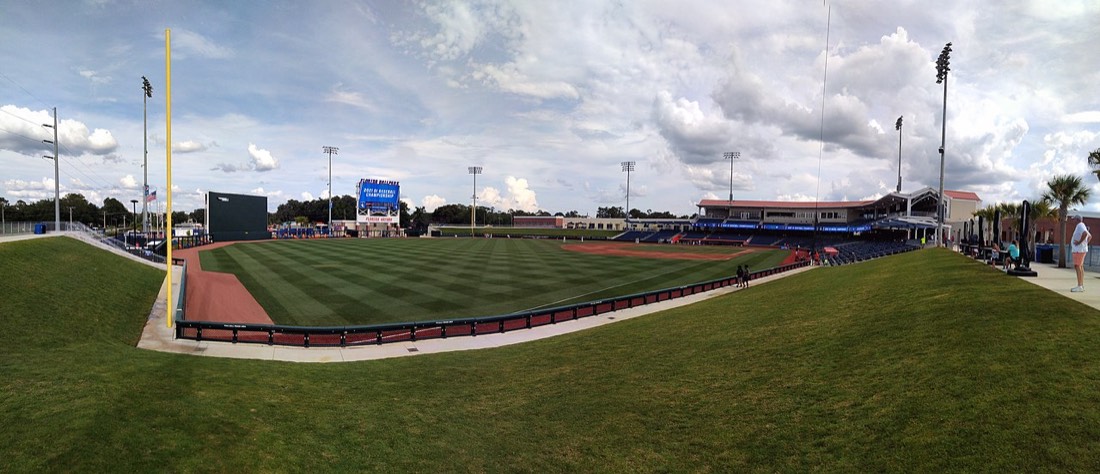
Durability over a season is built on sleep, recovery, and everyday upkeep, the hidden variables that rarely appear in a box score but shape every outcome.
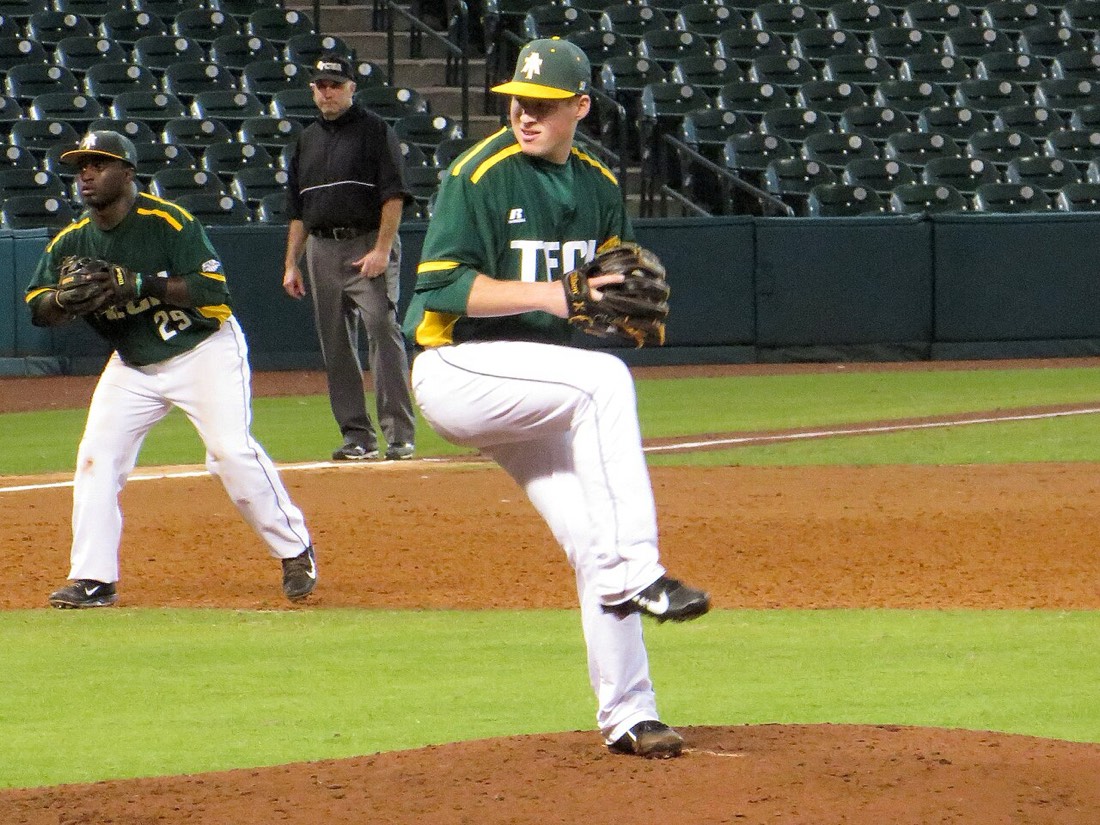
Plate discipline separates the summer leaguers who stall from those who keep climbing. We break down how Golden State hitters are retooling their approach count by count.
Comments
Be the first to comment on this story.