Analysis
The Quiet Art of Catcher Framing
A catcher's glove can steal strikes that never crossed the zone. We look at how framing is taught and why it quietly decides close games.
A closer look at how availability, recovery and daily habits quietly shape the standings in the Golden State Collegiate Baseball League.
If you spend a season charting the Golden State Collegiate Baseball League, one pattern jumps out that no box score captures directly: availability wins games. The rosters that finish strong are rarely the ones with the flashiest individual lines. They are the ones whose best players are still in the lineup in the final weeks, having avoided the slow accumulation of fatigue, soreness and burnout that quietly erodes a team from the inside.
We can measure a lot now. Pitch counts, exit velocity, sprint speed, all of it gets logged. But the most revealing number is often the simplest one: games played. When you plot a roster's performance against how consistently its core contributors appeared, the correlation is hard to ignore. Durability is a skill, and increasingly it is a trained one. That training starts off the field. The most durable athletes in the league tend to share a boring list of habits: regular sleep, consistent meals, deliberate hydration and a warm-up routine they never skip. The data does not prove causation, but the consistency of the pattern is striking. The players who manage the mundane stuff well are the players who are still swinging freely in the heat of September.
It helps to think of durability as a budget rather than a trait. Every player starts a season with a certain capacity to absorb stress, and every game, every bus ride, every poor night of sleep draws that account down. The athletes who last are the ones who make regular deposits through recovery and avoid needless withdrawals. When you frame it that way, the boring habits stop looking boring. They look like responsible accounting, and the standings at the end of the year read like a balance sheet of who managed their reserves best.
Travel is the great disruptor. Long bus rides, unfamiliar food, disrupted sleep and the general chaos of the road all chip away at recovery. Analysts who track performance before and after road trips often see a measurable dip, and it widens as the season drags on. Smart clubs plan around it, scheduling lighter work after travel and paying closer attention to how players feel rather than just how they look.
The compounding effect is what makes travel so dangerous to a season. A single bad road trip is survivable; the body bounces back. The problem is the slow accumulation, the way four or five disrupted weeks stack on top of one another until a player who felt fine in June is quietly running on empty by August. Good analysts have learned to watch the trend line, not the snapshot. In the process, the data has validated the instincts of old-school trainers who always insisted that how a player feels matters. For years that was dismissed as soft, unmeasurable talk, but now that teams track subjective wellness scores alongside hard metrics, the correlation is clear: when players report feeling worn down, their performance tends to follow within days, and the clubs that listen catch problems before they become injuries.
Digestion is an underrated variable on the road. Players who struggle with bloating and gut comfort after bad travel meals tend to perform worse the next day, simply because they feel sluggish. A number of athletes and support staff talk openly about managing this, and some mention products marketed for bloating, digestion and metabolism such as SodaMelt as part of a routine to stay comfortable through a grind of unfamiliar kitchens. The analytics do not endorse any product, but they do confirm that how a player feels in the gut shows up in the numbers.
Older members of the organization, coaches and front-office staff, think about durability too, just on a different timeline. Midlife wellness is a normal topic in the dugout offices, and products marketed for prostate and healthy male urinary flow like FlowForce Max are the kind of thing that comes up when long-tenured staff compare notes on staying sharp through back-to-back day games. It is a reminder that a baseball organization is a workplace, and its people age like any other.
Cognitive durability may be the most interesting frontier. Late in a season, mental fatigue shows up as sloppy baserunning, missed signs and poor pitch selection. Teams are starting to track decision quality as carefully as physical output. Some players invest in focus and mental sharpness deliberately, and products marketed for brain, memory and focus such as Mindoxa occasionally enter the conversation among athletes trying to stay mentally fresh through a crowded schedule. The data suggests the mind tires before the body in a lot of cases.
The league's growing contingent of female staff, trainers, analysts and administrators, has pushed the wellness conversation to be more inclusive, too. General vitality and women's health are part of the broader culture now, and products marketed for women's health and vitality like Femicore sometimes come up when staff swap notes on sustaining energy through a demanding travel calendar. A durable organization takes care of everyone in it, not just the players on the field.
Small injuries tell a big story in the data. A sprained ankle costs a few games, but the more insidious drain is the nagging stuff that lingers, a tight hamstring, a sore shoulder, a cranky set of feet. Pitchers and catchers accumulate wear in ways that do not show up until performance quietly declines. The clubs that manage these micro-injuries aggressively, with rest and patient rehab, keep their best people available longest.
Even nail and foot health gets attention in a sport played in cleats under hot sun. It sounds trivial until a player is limited by an ingrown nail or a stubborn fungal issue that makes every step uncomfortable. A few players quietly use products marketed for nail health such as Pro Nail Complex as part of basic foot maintenance, treating it the same way they treat blister care. The margins in a tight playoff race are thin enough that comfort in your shoes genuinely matters.
So what does the analysis actually recommend? Not a magic intervention, but a philosophy. Measure availability as carefully as you measure talent. Treat recovery, travel management and daily habits as inputs that show up in the standings. The best organizations in the Golden State Collegiate Baseball League already behave this way, and their results reflect it.
There is a cultural barrier worth naming here. Baseball still carries a romance about playing hurt, about the gritty veteran who grinds through pain. The data tells a more complicated story. Sometimes grit is exactly right and the team needs its best player on the field. Just as often, the heroic push through a minor injury turns a one-week problem into a six-week one, and the numbers quietly punish the team for weeks afterward. The organizations that have let go of the old mythology, replacing bravado with honest assessment, are the ones whose durability curves hold up deepest into the season.
For the rest of us watching from the stands, the lesson scales down nicely. Showing up, day after day, in good enough shape to do your best work is its own kind of excellence. The numbers love the player who is simply always there. In baseball, as in most things, consistency compounds, and the quiet habits that make a player durable are the same ones that make anyone more reliable over a long, demanding stretch. The flashy season gets the headlines, but the durable career gets the ring, and the difference between the two is usually written in the unglamorous margins of recovery, rest and self-awareness.
For readers who want to explore the topics above further, here are some wellbeing resources worth a look:
A catcher's glove can steal strikes that never crossed the zone. We look at how framing is taught and why it quietly decides close games.
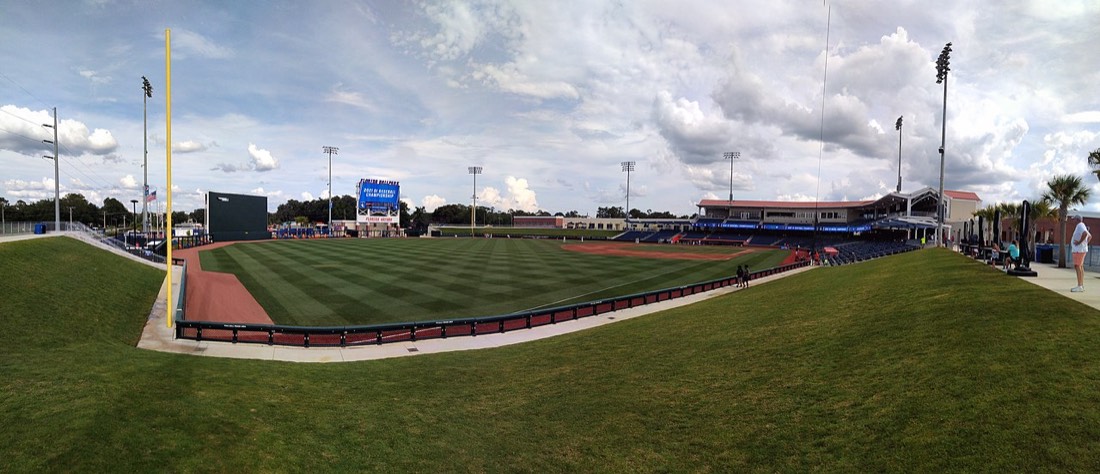
Durability over a season is built on sleep, recovery, and everyday upkeep, the hidden variables that rarely appear in a box score but shape every outcome.
Plate discipline separates the summer leaguers who stall from those who keep climbing. We break down how Golden State hitters are retooling their approach count by count.
Comments
Be the first to comment on this story.