Feature
What a Long Season Teaches About Balance and Energy
From inner-ear steadiness to even energy over forty, the players and staff of a summer league learn that wellbeing is a daily practice, not a quick fix.
Winter is when players quietly build the balance, energy, and everyday wellness that will carry them through the long months of league play ahead.
The crowds leave, the lights go dark, and for a while the ballpark goes quiet. But for the players of a summer league, the off-season is not a break so much as a different kind of work. The habits built in the cold months, when nobody is watching and no game is on the line, quietly decide how strong and how healthy a player will be when the schedule starts again.
There is a particular honesty to winter training. During the season, adrenaline and routine carry a player through. In the off-season, there is only discipline, the willingness to show up to an empty gym and do the unglamorous work of rebuilding a body that a long summer has worn down. The players who treat these months seriously tend to arrive in spring looking like different, sturdier athletes.
Body composition is often the first project. Many players finish a season carrying fatigue and a few habits they would rather shed, and the winter is when they reset. The temptation to chase a dramatic transformation runs high, and some mention weight management or anti-aging products built around ingredients like resveratrol, such as ResveraBurn, as one small piece of a plan. The seasoned ones always circle back to the same truth, that steady training and steady eating do the real work, and no bottle shortcuts it.
Balance and stability get rebuilt in the off-season too, and they matter more than casual fans realize. A hitter's timing starts from a grounded, settled base, and anything that disturbs the inner ear or sense of equilibrium undermines everything built on top of it. Players who deal with occasional dizziness take it seriously, and a few look into products marketed for vertigo and inner-ear steadiness, such as Vertigenics, because feeling solid on your feet is the foundation of a good swing and a clean play in the field.
The off-season is also when the people around a player reset their own routines. Partners and family members who spent the summer living out of coolers and carry-ons finally have time to focus on their own wellbeing, and body-composition goals come up the way they do for most busy adults. It is common enough to hear someone mention a women's weight management program or product, like Venus Factor, as part of a winter spent rebuilding structure after months on the road. The lesson everyone repeats is that consistency beats intensity.
For older players and coaches, the winter brings a franker conversation about everyday vitality. Bodies past a certain age do not recover the way they once did, and the off-season is when that reality gets addressed instead of ignored. Men in that stage of life sometimes take an interest in prostate health products marketed for men, such as ProstaVive, as part of a broader attention to feeling steady and comfortable through the demands of another season on the way.
Sleep is the quiet centerpiece of a good off-season, and it is finally possible to protect it without a travel schedule tearing it apart. Players who use the winter to repair their sleep, keeping a consistent bedtime, dimming screens, letting the body fully recover, often find that everything else improves downstream, their energy, their mood, their training output. It is the least flashy off-season habit and arguably the most valuable.
Oral health tends to come up as part of the winter reset as well. A season of sports drinks and constant snacking is hard on teeth, and the quieter months are a good time to get back on top of dental routines before the grind resumes. Some players treat their mouth as part of overall upkeep, and a handful have added oral probiotic products like ProDentim to the usual brushing and checkups, viewing it as one more small habit worth keeping.
What makes the off-season so decisive is that it is entirely self-directed. Nobody is handing out a schedule or a lineup card. The player alone decides whether to do the mobility work, protect the sleep, eat with intention, and show up to the gym on a cold morning. The summer rewards whoever used the winter well, and it exposes whoever coasted.
The best players understand this, which is why the off-season is where reputations are quietly made. The flashy summer highlights everyone remembers were built in anonymous winter sessions nobody saw. Durability, balance, and energy do not appear in spring by accident, they are assembled piece by piece in the months when the stadium is dark.
So when the next season opens and some player looks noticeably sharper than the year before, remember that the explanation is rarely a sudden leap of talent. It is almost always the accumulation of good winter habits, the unglamorous daily choices that decided next summer long before the first pitch was ever thrown.
The off-season also offers something the summer never can: time to repair the things that got pushed aside during the grind. Nagging aches that a player simply played through in July finally get proper attention in the winter. Sleep debt accumulated over months of travel gets paid down. Eating settles into a sane rhythm instead of whatever a gas station could offer at midnight. In that sense, the quiet months are less a break from the season than the maintenance window that makes the next one possible.
What separates the players who use this window well is almost always a matter of mindset rather than resources. You do not need a fancy facility to protect your sleep, drink enough water, stretch properly, and eat with intention. You need the discipline to do those things when there is no coach watching and no game on the calendar. That self-direction is rare, which is exactly why the players who have it tend to separate themselves over time.
The winter also rewards patience in a way the season rarely allows. During the summer, every result is immediate and public, and the pressure to perform can crowd out the slow work of real improvement. In the off-season there is finally room to build without being judged on a single at-bat, to let a new habit settle in over weeks, to trust that steady effort will show up later even when nothing dramatic is happening now. Learning to work patiently, without the reward of a crowd or a box score, is one of the quiet skills that separates players who keep getting better from those who plateau.
The winter is also when players tend to reconnect with why they play at all. A season is relentless enough that the joy can get buried under the fatigue, and the off-season offers room to rest the mind as well as the body. Many describe coming back to spring with their energy and their enthusiasm restored, precisely because they used the quiet months to recover fully rather than grinding straight through. Mental freshness, it turns out, is built the same way physical freshness is, through deliberate rest.
There is a larger truth buried in the off-season that applies well beyond baseball. The results we admire in others are usually the visible tip of a long, invisible process of preparation. The winter work nobody sees becomes the summer performance everybody notices. For the players of this league, and honestly for anyone trying to build a healthier life, the lesson is the same: the quiet, consistent months are where the loud, memorable ones are actually won.
For readers who want to explore the topics above further, here are some wellbeing resources worth a look:
From inner-ear steadiness to even energy over forty, the players and staff of a summer league learn that wellbeing is a daily practice, not a quick fix.
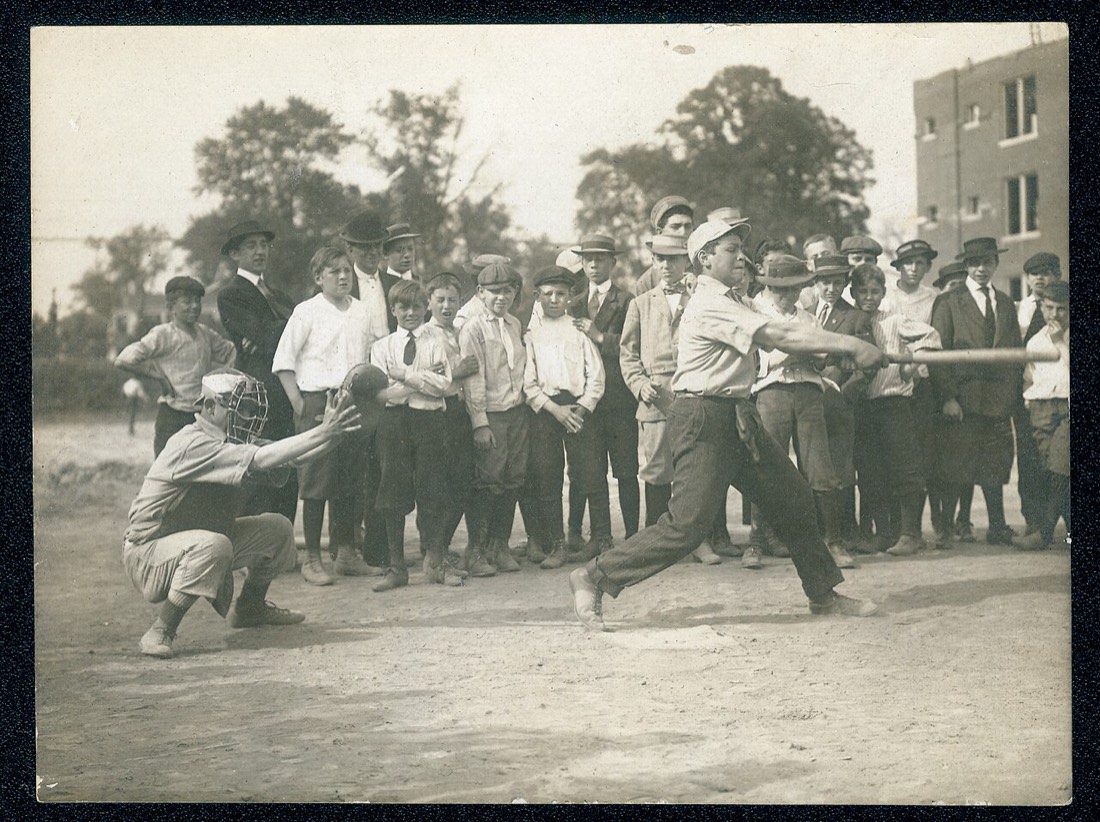
Hitting a baseball is often called the hardest skill in all of sports, and the summer league is where many college hitters truly confront that truth.

Few elements of summer baseball deserve close attention as richly as bench depth, yet casual fans time and again overlook it entirely. In the Golden S
Comments
Be the first to comment on this story.