Culture
The Bat Boy's View of a Summer Collegiate Season
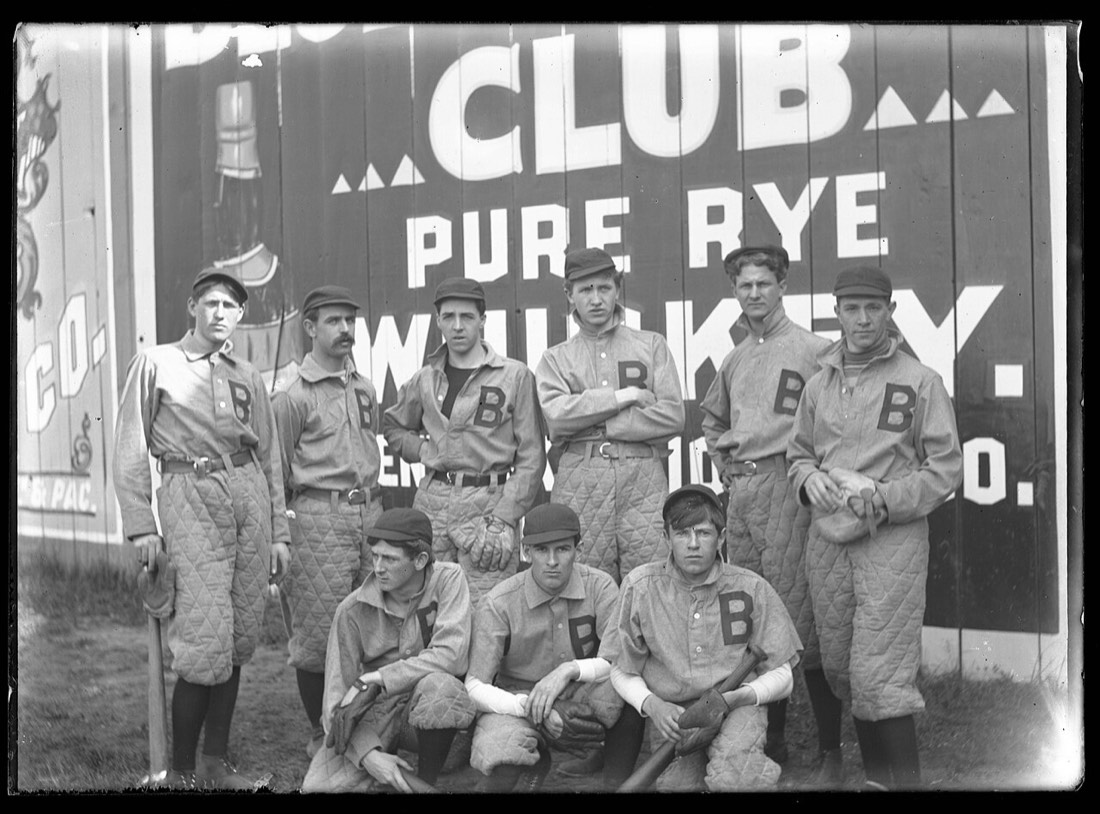
Spending a summer as a bat boy offers an unusual window into a collegiate wood-bat league, from early arrivals and equipment duties to the small rituals players share.
Long before the first pitch and long after the last out, a groundskeeper is shaping the dirt, grass, and lines that quietly decide how the game is played.
The field is empty when the groundskeeper arrives, and it is empty again when he leaves. In between, thousands of people will walk across his work without giving it a second thought, which is more or less the point. A well-kept ballfield is meant to disappear into the background, to feel so natural that no one notices the hundreds of small decisions that went into it. The groundskeeper's day is a long, patient argument against entropy, waged with a rake, a hose, and an unreasonable amount of attention to detail.
At a collegiate program, where budgets are modest and the crew is often small, the work falls on a few dedicated hands. One person may be responsible for the infield dirt, the pitching mound, the grass, the warning track, and the lines, all before a game that could be decided by how true a ground ball bounces or how firm the footing is on the mound. It is demanding, physical, weather-dependent work, and the people who do it tend to love it in a way that is hard to fake.
The infield skin is the most scrutinized surface on the field, and it is the first order of business. Overnight, moisture shifts and the surface settles. The groundskeeper walks it, looking for low spots where water will pool and high spots that will cause a bad hop. He drags it to smooth the surface, then waters it carefully, because dirt that is too dry plays hard and fast while dirt that is too wet turns sloppy and slow. Getting the moisture right is a feel developed over years, read in the color of the surface and the way it holds a footprint.
The mound and the batter's boxes get their own attention. These are high-traffic areas that break down fast, pocked by cleats and dug out by habit. The groundskeeper rebuilds them with packing clay, tamping it down firm so a pitcher has a solid platform and a hitter has stable footing. A soft mound can throw off a pitcher's mechanics, and a crumbling batter's box can unsettle a hitter's swing, so these small patches of the field receive a share of care out of all proportion to their size.
The outfield and infield grass is the part of the job that never truly finishes. Grass grows, and it grows unevenly depending on sun, shade, water, and traffic. Mowing is not just about length but about pattern and direction, cutting in ways that keep the turf healthy and the surface even. Height matters more than a casual observer would guess. Longer grass slows ground balls and can turn a would-be single into an out, while shorter grass lets the ball run.
Beneath the surface, the groundskeeper is thinking about roots, soil compaction, and drainage. Fields get aerated to let the soil breathe. They get overseeded to fill thin patches. In the heat of summer, watering becomes a daily calculation, enough to keep the grass alive without leaving the surface soft. A single stretch of neglect can set the turf back for weeks, so the work continues whether or not a game is scheduled.
As game time approaches, the work turns to presentation and precision. The foul lines are laid down straight and crisp, the batter's boxes chalked to their exact dimensions, the bases set and secured. These tasks look simple and are not. A foul line that drifts even slightly can turn a fair ball foul in the eyes of everyone watching. The groundskeeper measures, snaps a string, and lays the chalk with a steadiness that comes from having done it a thousand times.
Then there is the weather, the variable that governs everything and respects no schedule. A groundskeeper watches the sky the way a sailor does, reading incoming rain and deciding when to pull the tarp, how to protect the mound and plate, and how quickly the field can recover afterward. Covering and uncovering a field in a storm is heavy, urgent work, often done fast and in bad conditions, and it can save a game that would otherwise be lost to the mud.
What strikes you about people who do this work is how much they care about things no one else will ever notice. The exact moisture of the dirt near second base. The firmness of the clay on the mound. The way the grass holds up under a doubleheader. These are not glamorous concerns, and the reward is rarely more than a game that goes off cleanly and a field that looks, to everyone else, like it simply happened to be there.
When the last out is recorded and the crowd drifts away, the groundskeeper is still there, dragging the infield one more time, patching the mound, checking the forecast for tomorrow. The field will be empty again by morning, waiting to be made ready all over again. It is a job built on repetition and quiet standards, performed largely out of sight, and the players who take a true hop for granted are, in their own way, paying it the highest compliment.
Much of the skill lies in anticipation. An experienced groundskeeper is rarely reacting to problems; he is heading them off before they appear. He knows which corner of the outfield holds water after a heavy rain and grades it accordingly. He knows that a stretch of hot, dry days will bake the infield hard, so he waters a little heavier the evening before. He watches how the team practices and where the wear concentrates, and he rebuilds those spots before they turn into hazards. The best work is the trouble that never happens, which means the best groundskeepers are rarely thanked for the disasters they quietly prevent.
There is also a seasonal rhythm to the craft that outsiders seldom see. The early weeks are about bringing a tired, dormant field back to life, repairing winter damage and nursing the grass back to health. The heart of the season is maintenance under pressure, keeping a surface playable through heat and heavy use. The closing weeks are about preservation, coaxing the field through the final games before it is put to rest and the long work of recovery begins again. Across all of it runs the same patient attention, the willingness to do unglamorous things correctly, day after day, so that the game itself can look effortless.
Spending a summer as a bat boy offers an unusual window into a collegiate wood-bat league, from early arrivals and equipment duties to the small rituals players share.
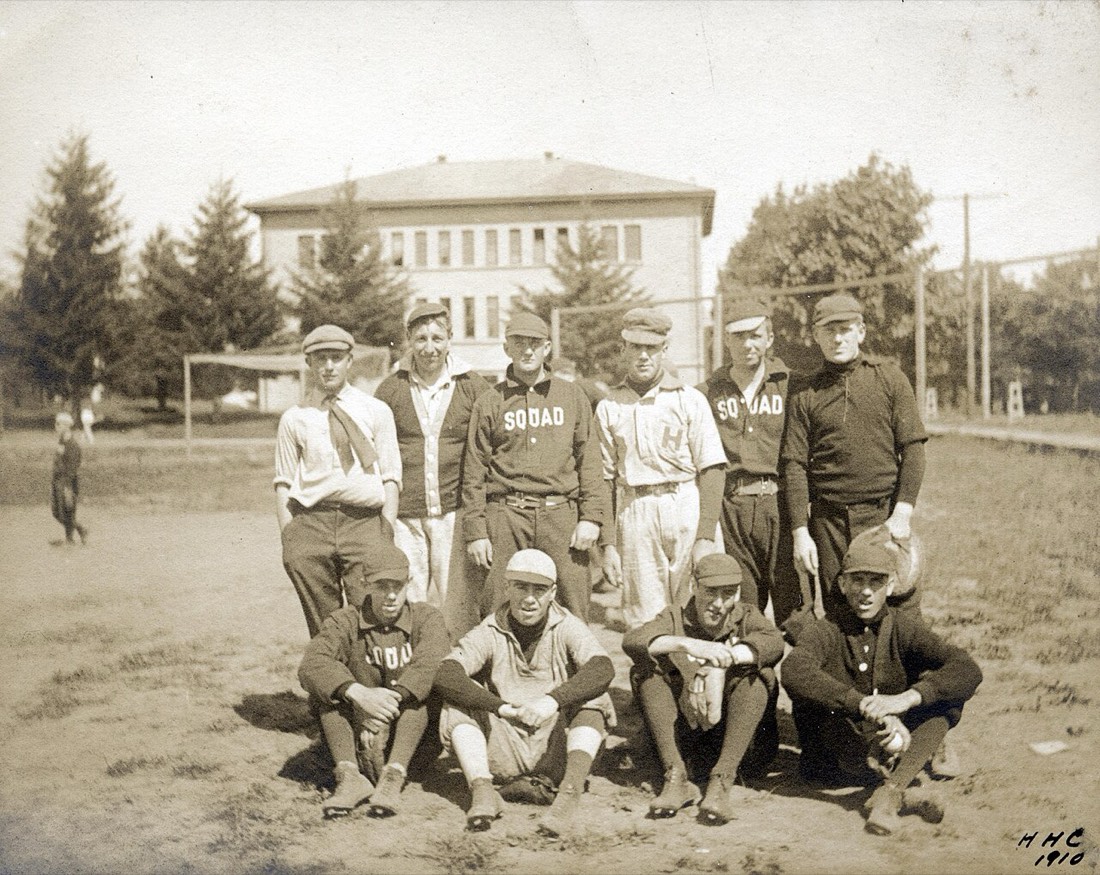
Placing the best hitter is only part of the puzzle, because protection, table-setters, handedness and team psychology all shape how a lineup card is built.
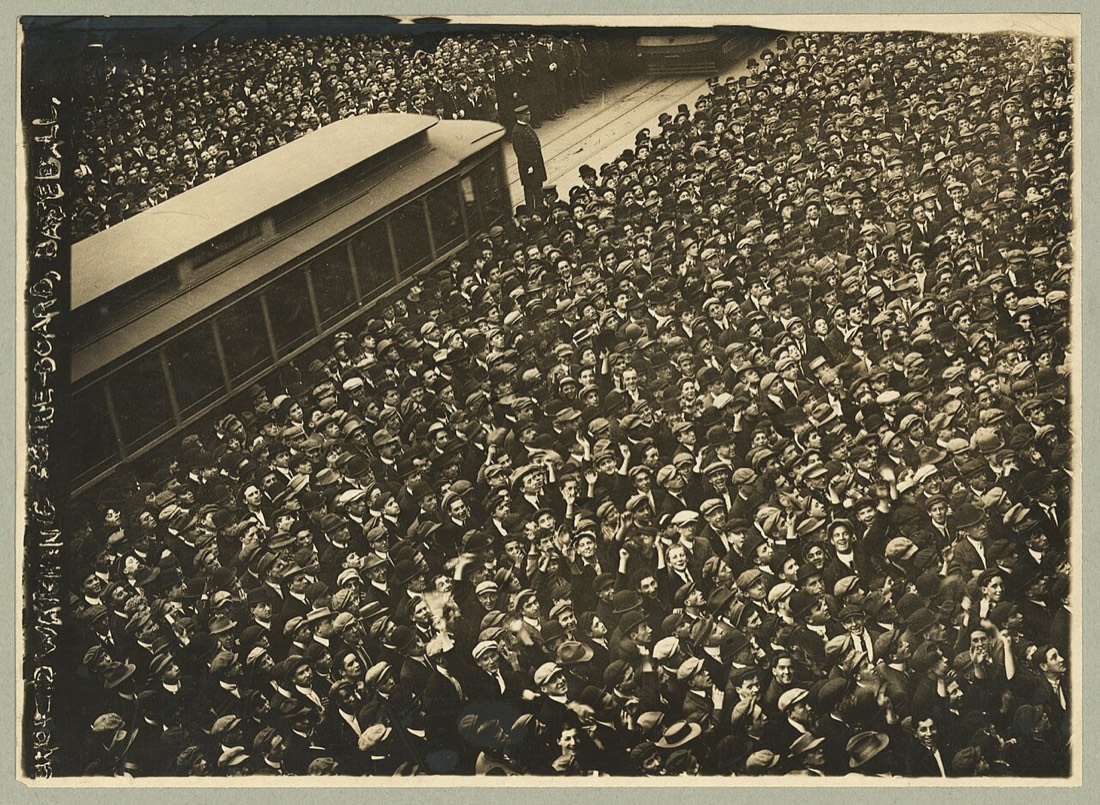
The sacrifice bunt has fallen out of fashion in the analytics era, but it still holds real value when used in the right moments and situations.
Comments
Be the first to comment on this story.