Culture
How Teams Build a Batting Order Around One Great Hitter
Placing the best hitter is only part of the puzzle, because protection, table-setters, handedness and team psychology all shape how a lineup card is built.
Spending a summer as a bat boy offers an unusual window into a collegiate wood-bat league, from early arrivals and equipment duties to the small rituals players share.
The bat boy arrives long before anyone else. While the grass is still damp and the grounds crew is finishing the chalk lines, he is already hauling a mesh bag of baseballs from the equipment room to the dugout. It is not glamorous work, and nobody in the stands will remember his name. Yet from that low wooden bench beside the home dugout, he sees a summer collegiate season more completely than almost anyone, and the view is a good deal more human than the box score suggests.
Most of the work happens in the hours before the game. Bats are sorted by player and lined up in the rack, helmets are wiped down, and pine tar rags are set where hitters can reach them. Batting gloves and extra caps go in a small bin. Water jugs get filled, towels are folded, and the umpires' room is stocked with fresh baseballs rubbed down with the special mud that takes the shine off. Every item has a place, and everyone notices when something is missing.
Learning each player's habits is part of the job. One hitter wants his bat handed to him barrel first, another prefers it left in the rack. A catcher needs his gear laid out in a certain order, and a pitcher might be superstitious about who touches his glove. The best bat boys memorise these quirks quickly and without comment. Trust is earned in tiny ways, such as having the right helmet ready before a batter even asks for it.
There is also a certain amount of heavy lifting. Buckets of balls, bags of ice, a rolling cooler of sports drinks: all of it moves from storage to dugout and back again. The bat boy learns where every hose, rake and tarp lives. When a sudden shower rolls in, he is part of the scramble to cover the infield, running alongside the grounds staff and feeling for a few minutes like a member of the team.
During the game, the bat boy sits close enough to hear everything. He hears the coaches talking about a hitter's weakness, the pitchers joking in the bullpen, the quiet pep talks after a bad inning. He also learns the rules of the place: speak only when spoken to, never stand in the way of a play, and never comment on a result. It is a lesson in staying useful without being noticed, which is harder than it sounds.
The duties during play are small but constant. When a batter lines a foul ball down the line, he retrieves it. When a hitter strikes out, he collects the bat. After a home run, he waits at the plate to take the bat and keep the area clear for the next hitter. Every task has a rhythm, and over a few weeks the rhythm becomes second nature, like a dance performed in the corner of everyone else's attention.
Because players are strangers at the start of the summer, the bat boy often sees friendships form in real time. College rivals who would normally compete find themselves sharing a bench, swapping tips about a hitter or pitcher, and discovering that the person across the field in April is a useful ally in July. By the end of the season, teams that were collections of individuals have become something closer to a family, and he has watched it happen.
Baseball is famous for its superstitions, and a summer league is no exception. Some players tap the plate twice, some refuse to step on the foul line, and some demand the same seat in the dugout every game. The bat boy learns to respect all of it. A cooler left in the wrong place or a bat rack arranged differently can send a hitter into a mild panic, and it is easier to keep the ritual than to question it.
There are kindnesses too. A veteran player might quietly teach him how to grip a bat or how to tell a good fastball from a poor one. Coaches sometimes hand over a spare cap or a signed ball at the end of the year. These small gestures matter enormously to a teenager who spends eight weeks carrying equipment, because they signal that his work was noticed and that he belonged, even if only on the edge of the dugout.
Some nights are quiet and some are chaotic. A long extra-inning game on a cold evening can stretch past midnight, with the bat boy still sorting equipment while the last fans leave. Rain delays mean hours of waiting with nothing to do except talk. Those slow, unremarkable hours are where many of the best stories come from, told by players who have decided the new kid is trustworthy.
By the last home game, the bat boy has learned more than baseball. He has learned punctuality, attention to detail, and how to work for a team without expecting credit. He has seen what a group of talented, nervous young athletes looks like when they are tired, hopeful or frustrated. He has watched coaches manage egos, pitchers manage doubt and hitters manage slumps, and he has quietly absorbed a great deal about how people behave under pressure.
Some bat boys go on to play, coach or work in baseball. Others simply carry the memory of a summer spent on the edge of the action, close to the sounds, smells and rituals of a ballpark. Either way, they know something that most fans never will: the game is not only what happens between the lines, but also everything that surrounds it, carried in a mesh bag from the equipment room to the dugout.
Placing the best hitter is only part of the puzzle, because protection, table-setters, handedness and team psychology all shape how a lineup card is built.
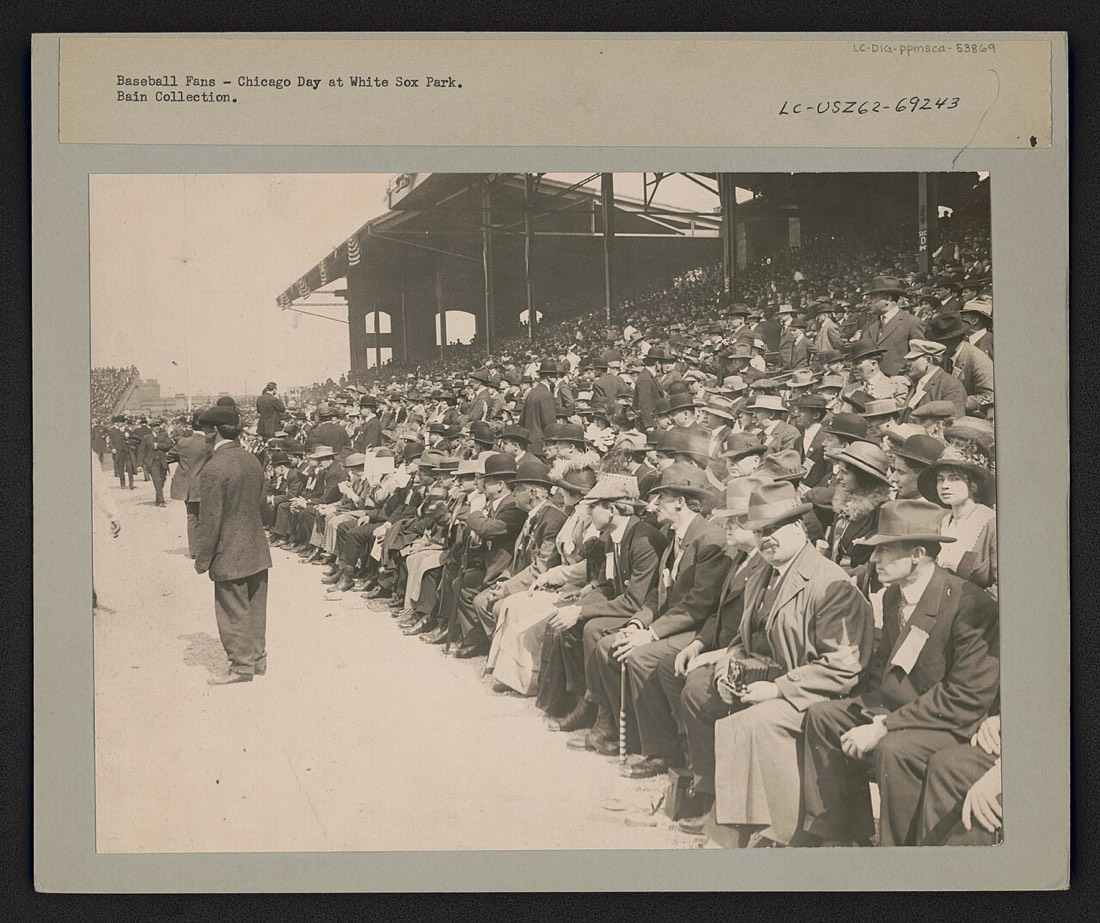
Long before the first pitch and long after the last out, a groundskeeper is shaping the dirt, grass, and lines that quietly decide how the game is played.
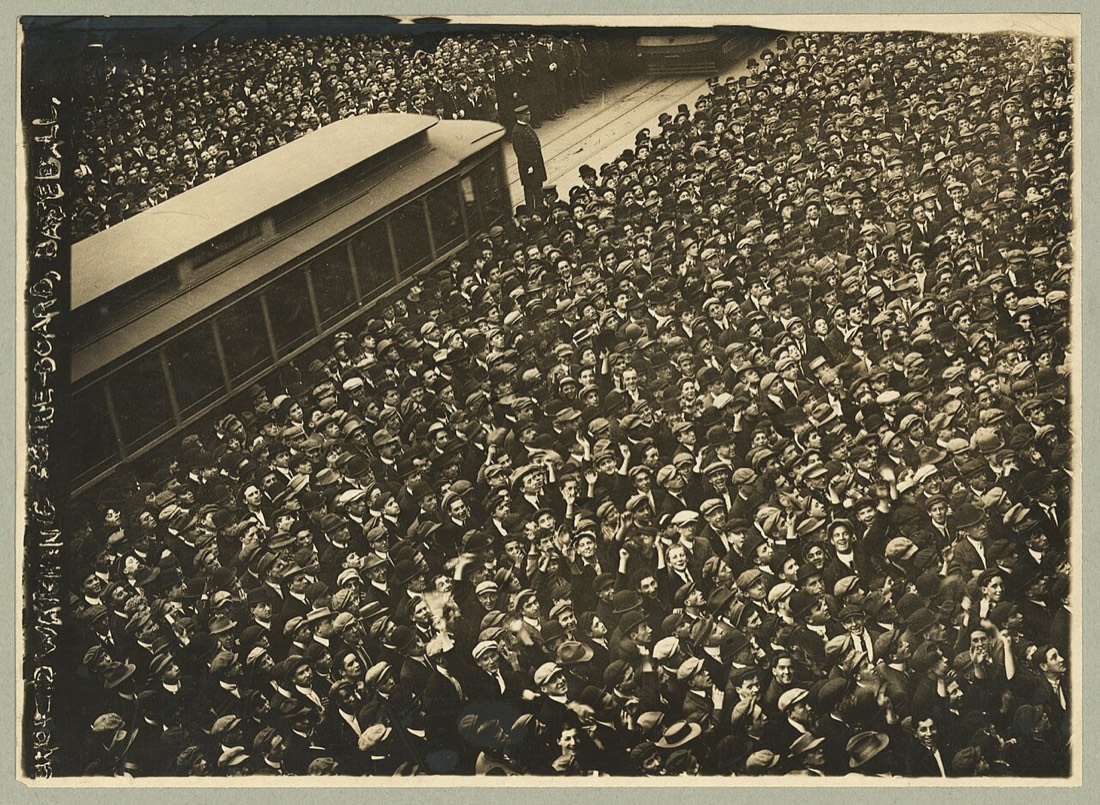
The sacrifice bunt has fallen out of fashion in the analytics era, but it still holds real value when used in the right moments and situations.
Comments
Be the first to comment on this story.