Feature
How Infielders Prepare for a Bad-Hop Field
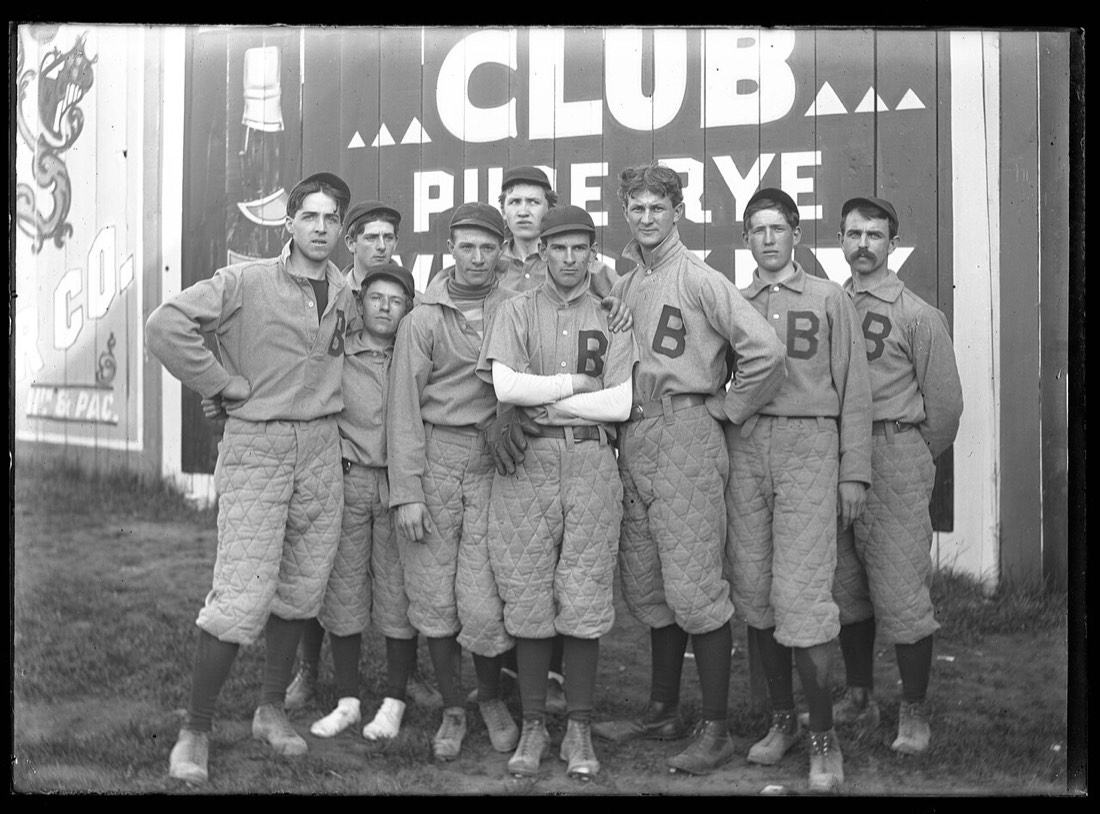
Infielders cannot control a rough field, but they can build habits, routines and mental tools that turn unpredictable bounces into manageable plays.
Summer coaches in the league juggle limited arms, rainouts and rest days, and doubleheaders force careful planning of every pitcher's workload.
A doubleheader in a summer collegiate league sounds simple on the schedule and feels very different in the dugout. Two games, one afternoon and evening, and a staff made up of college pitchers who arrive from different programmes with different workloads behind them. The coach's first job is to look past the single day and see the whole week. Every inning thrown on a doubleheader Saturday echoes into Sunday, Tuesday and beyond. The best managers treat their pitching staff like a shared bank account, and a doubleheader is a large withdrawal that has to be planned before the first pitch.
Most players in a wood-bat summer league have just finished a long spring season, and some arrive having thrown far more innings than others. A coach who ignores that history is guessing. In the first days of the summer, staff members usually have quiet conversations with each pitcher about how his arm feels, what his college coaches asked of him, and whether he has had a rest period since the spring. Those talks shape everything that follows. A starter who pitched deep into a conference tournament may be handled gently, while a reliever who barely threw in May can carry a bigger share.
The league's own guidelines on rest and pitch limits form the outer fence, but coaches rarely plan right up against it. A sensible staff works inside a margin, because the posted limits describe the most a pitcher may do, not the amount that is wise. Many programmes sending players to the summer circuit also expect their pitchers to be protected, and host coaches know that a sore arm sent home in July reflects badly on everyone. So the working rule becomes conservative: throw enough to develop, never so much that the next appearance is in doubt.
When a doubleheader is announced, the coach usually decides quickly how the innings will be divided. Often the first game is handed to a starter who can go deep, while the second belongs to a pitcher on a shorter leash. Many doubleheaders in summer ball are scheduled for seven innings each, which changes the arithmetic. A starter who would normally throw ninety pitches across six innings may now be asked to finish a seven inning game in seventy-five. Coaches adjust their expectations accordingly rather than simply copying a normal game plan onto a shortened format.
Planning the second game is harder than planning the first. By the time the nightcap begins, the bullpen may already have been used, and the coach has to guess how many relievers he will need. A common approach is to name the second game's starter early, tell him to prepare as though it were any other start, and keep one or two long relievers fresh in case the first game goes sideways. If the opener turns into a blowout, those fresh arms may never be needed, and that is a perfectly good outcome.
Pitch totals are the number everybody quotes, but experienced coaches look at stress as well as volume. Twenty pitches thrown in a calm inning are not the same as twenty pitches thrown with runners on and every pitch at full effort. A reliever who warms up twice, sits down because the batting team stays at the plate, and then warms up again has done real work without a single official pitch being recorded. Good bullpen coaches keep a rough tally of those hidden throws and tell the manager before he makes the call.
That hidden work matters most on doubleheader days, when a pitcher may be asked to loosen in game one, stay ready through the break and then warm up again in game two. The sensible habit is to tell relievers early whether they are likely to be used, so that nobody wastes arm effort getting ready for a game they will not pitch in. Clear communication keeps the pitchers calm, and calm pitchers tend to throw fewer wasted pitches in the first place.
The gap between games, often thirty to forty-five minutes, is more important than it looks. Pitchers who have finished their work are encouraged to eat something simple, drink plenty of water and keep their arm moving gently rather than sitting rigid in the dugout. Coaches talk with the next day's starter about whether he should throw a light session or rest entirely. Position players stretch, change their shirts and try to keep their energy up, because a doubleheader tests the whole roster, not only the men on the mound.
Weather can wreck all of this. A rain delay between games, or a long afternoon heat spell, forces a quick rethink. If the break stretches past an hour, a pitcher who had been planned for the nightcap may need to go through a fresh warm-up, and the coach has to decide whether that is sensible or whether a different arm should start. Flexible staffs write down a second and third option before the day begins, so a sudden change does not turn into panic.
The real test of good management comes after the doubleheader ends. A starter who threw sixty pitches on Saturday might be available for a short stint on Tuesday, while one who went ninety has earned several quiet days. Coaches often map the next five days on a whiteboard, marking each pitcher as fully available, limited or off limits. The board is rubbed out and redrawn constantly, but it keeps the staff honest about who actually has anything left to give.
Roster size also shapes these decisions. A team carrying a deep staff can rotate arms freely, while a thin staff has to stretch its best pitchers further and take more risk. Smart managers use the early weeks to find out which relievers can handle multiple innings, which can only handle one, and which are best saved for the final out of a close game. That information makes doubleheader planning far quicker, because the roles are already understood by everyone on the staff.
Numbers and whiteboards only go so far if pitchers hide how they feel. Young players often want to impress, and many will say they are fine when their arm is tired. Coaches who build trust early get honest answers, and honest answers are the best protection a staff has. A simple culture of asking, listening and believing the pitcher costs nothing and prevents most of the problems that rigid rules are designed to catch.
Fans watching a doubleheader rarely notice any of this. They see a starter leave after five innings, a reliever jog in from the bullpen, and a score that rises or falls. Behind that surface is a day of arithmetic, conversation and judgement, all aimed at getting every pitcher through the summer healthy and better than he arrived. That is the quiet purpose of summer baseball, and the pitch count is simply one of the tools that serves it.
The best compliment a coach can receive at the end of a doubleheader week is silence: no sore arms, no shortened careers, no frantic calls to a college programme. A pitcher who leaves in August with his arm intact and a handful of useful outings behind him has done what the summer was for. Careful pitch management does not win headlines, but over a long season it is one of the most valuable things a coaching staff provides.
Infielders cannot control a rough field, but they can build habits, routines and mental tools that turn unpredictable bounces into manageable plays.
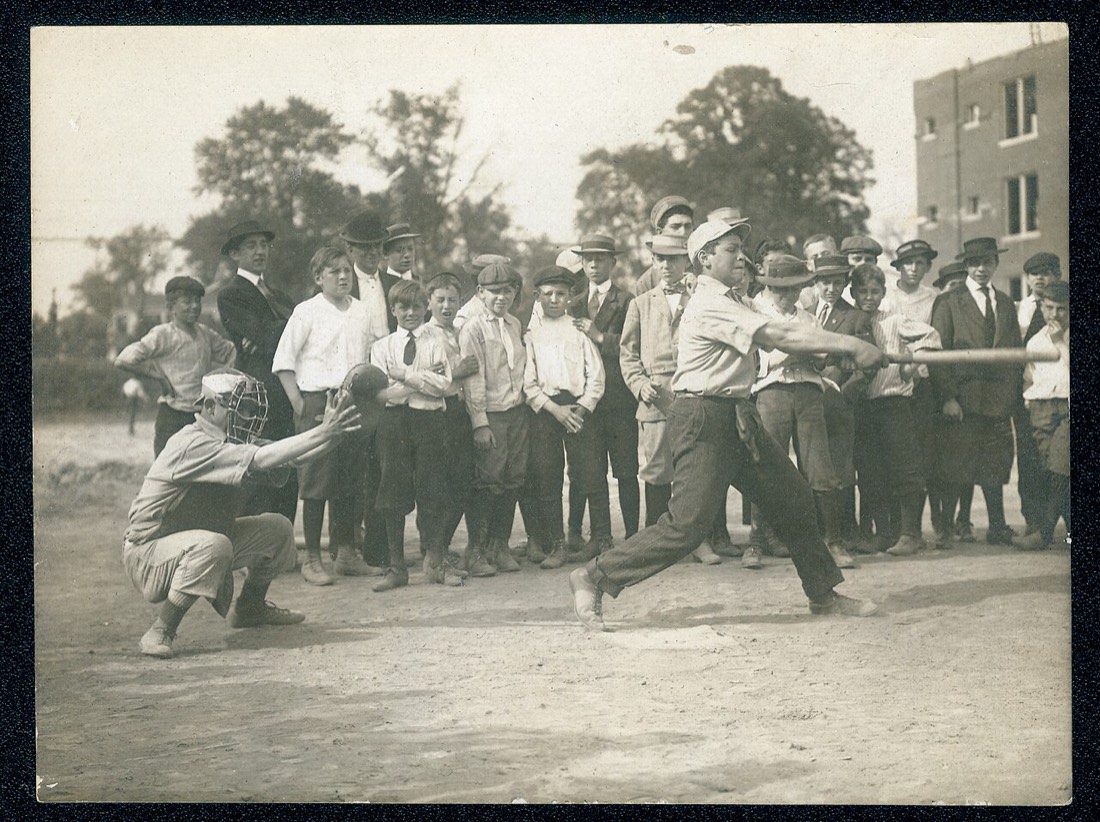
Film has become a standard teaching tool in summer wood-bat baseball, helping players see habits that feel invisible in the moment and prepare for opponents they barely know.
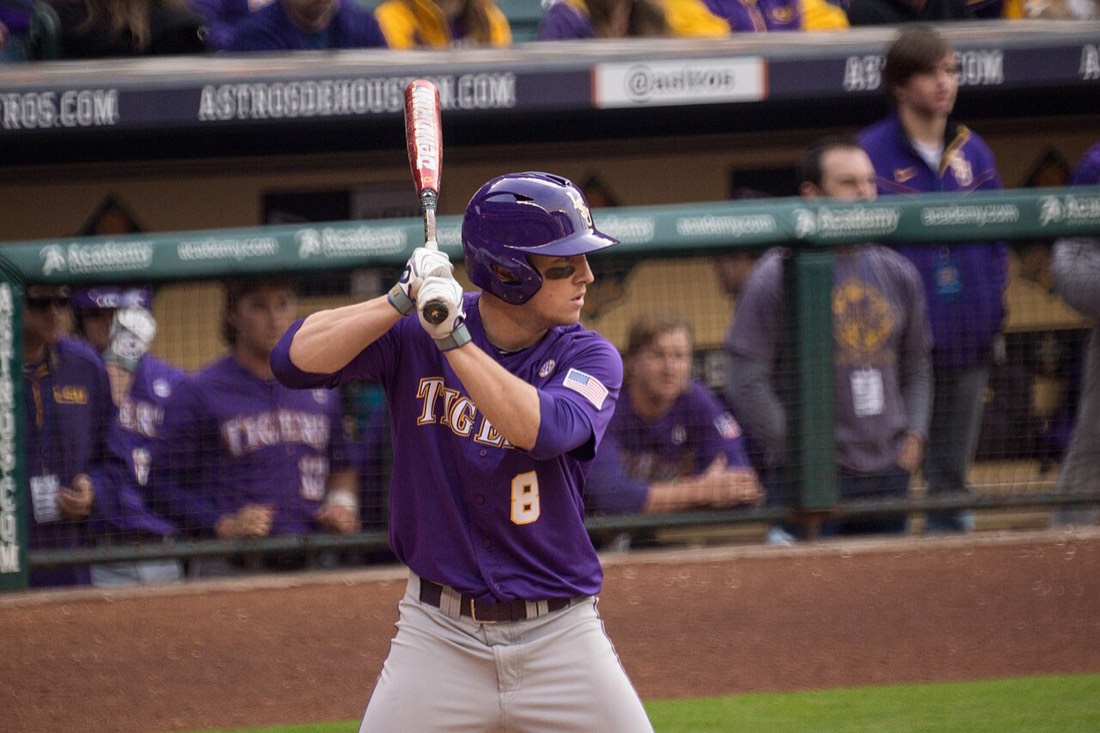
Reading a pitcher's habits from the dugout is a legal and time-honoured part of baseball, and summer collegiate teams teach it as a patient craft built on observation.
Comments
Be the first to comment on this story.