Feature
How Summer Coaches Manage Pitch Counts Over Doubleheaders
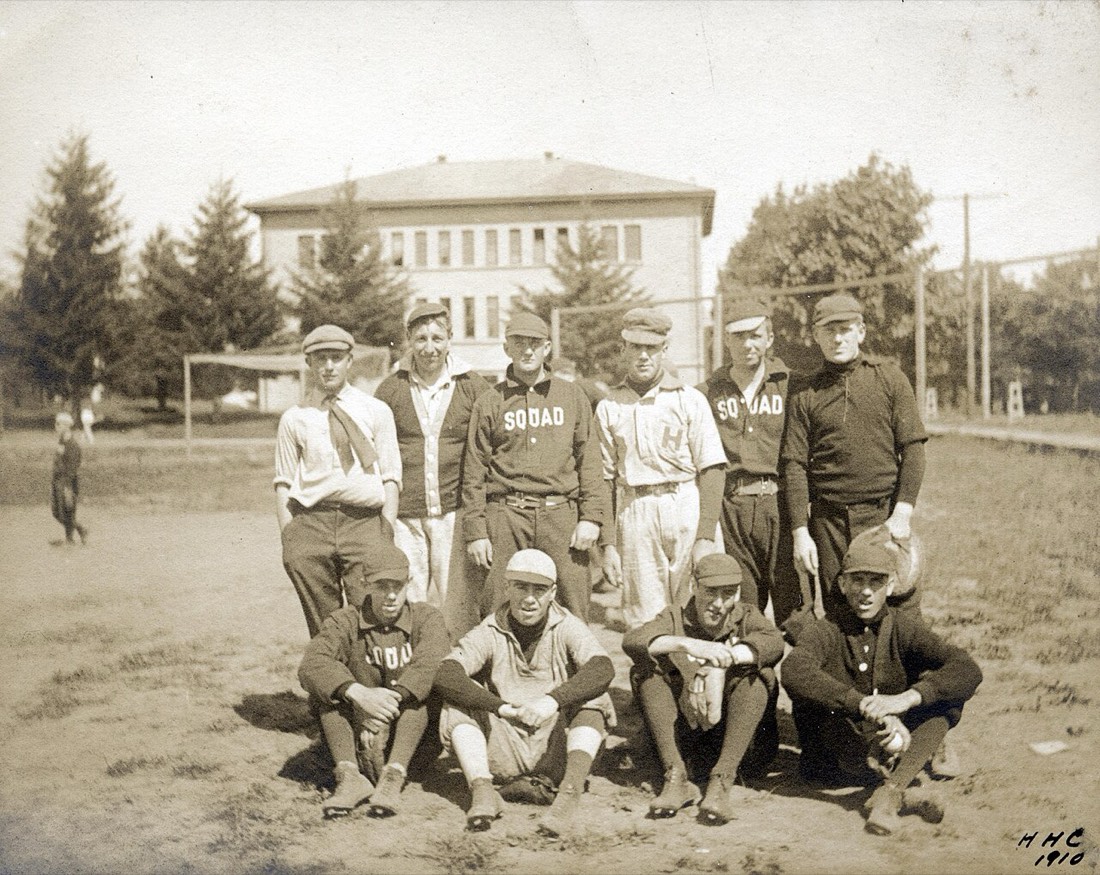
Summer coaches in the league juggle limited arms, rainouts and rest days, and doubleheaders force careful planning of every pitcher's workload.
Infielders cannot control a rough field, but they can build habits, routines and mental tools that turn unpredictable bounces into manageable plays.
Every infielder remembers a ball that took a strange hop. It hits a pebble, a seam in the grass or a patch of uneven dirt, and suddenly a routine grounder is darting toward the face. Summer collegiate leagues play on a wide variety of fields, from polished stadiums to modest community parks, and the quality of the infield surface varies enormously. Players cannot choose where they play, so the sensible approach is to prepare for the worst. With the right habits, a bad-hop field becomes less an enemy and more a puzzle to be solved.
Preparation starts well before the first pitch. Smart infielders walk the dirt during pregame, noticing where it is soft, where it is hard and where the grass meets the skin. They look for low spots, small holes and seams that might cause trouble. A quick kick at the dirt or a few practice grounders can reveal how the ball behaves. Players who do this early gain information that helps them position themselves and judge hops later in the game, when attention should be on the batter rather than the ground.
Weather and time of day change things too. A field that is soft after morning watering may harden by evening, and a dry infield in July can send balls skipping faster than expected. Coaches often ask infielders to hit extra pregame grounders from different angles, so they can feel how the ball comes off the surface. Even a small sample of ten or twelve reps can reveal a pattern. The goal is not to memorise every bump but to develop a sense of how the day is going to play.
Good fundamentals matter even more on a rough field. An infielder who stays low, keeps the glove out front and uses soft hands has far more margin for error than one who stands tall. A low body gives the player more time to adjust, because the eyes stay close to the ball and the legs can move in any direction. When the hop is bad, the player can still react, smothering the ball with the chest or knocking it down to keep the runner from advancing.
Footwork supports that readiness. Infielders learn to move their feet before the ball arrives, taking small chopping steps rather than stiff, flat-footed ones. The aim is to stay balanced so that a late hop does not leave the body off-line. Coaches often drill the habit with a simple routine: roll balls from a short distance, change angles and ask the fielder to keep their eyes level. The repetition builds a rhythm that holds up when the ball does something unexpected.
One of the oldest pieces of advice in infield play is to get to the ball on a good hop, and it applies strongly on uneven ground. A fielder who can charge a slow roller and meet it at the top of its bounce avoids the trouble that lurks in the middle. A player who waits might find the ball dropping at a bad moment, so reading the ball's path early and choosing a good spot is vital. This takes experience and a willingness to be aggressive.
Sometimes the right choice is to break off the approach and play the short hop. A short hop is nearly always safer than a long, awkward one, because the ball has less time to change direction. Infielders practise this by working on a wall, a hard surface or a tosser who throws balls into the dirt in front of them. The goal is to turn instinct into habit, so that the body knows what to do when the ball arrives. Players who learn it early tend to be calm.
Even the best infielders cannot catch every hop clean, so they learn to block. A good block uses the chest, shoulders or a forearm to keep the ball in front, and it allows the fielder to recover and make a throw. The glove can still be the main tool, but when a ball takes a nasty bounce, the priority is to stop it. Coaches teach this plainly: do not turn away, keep the head down and let the body get in the way.
Protection matters too. Players wear a cup, and some infielders add padding or a chest guard in youth leagues, but the key is to learn how to take the ball without flinching. Drills with softer balls build confidence, and gradual progression to harder ones teaches the body to stay put. Players who flinch tend to look away from the ball, which makes the next hop even worse. A calm attitude comes from practice, and most infielders find it grows steadily over a season.
Mental preparation counts just as much as technique. Infielders who expect an occasional bad hop are less rattled when it happens. They accept that an error caused by the field is part of the game and move on to the next pitch. Teammates and coaches reinforce that attitude by treating field-related misplays differently from mental errors. A short word, a nod or a pat on the glove can reset a player who might otherwise brood. Short memories are a quiet strength of good defenders.
Communication also keeps the group safe. Infielders talk about the field, telling each other where the soft spots are and which bases are playing quick. A shortstop might warn a second baseman about a patch near the bag, or a third baseman might shout that the ball is skipping. Coaches encourage this chatter because it spreads information quickly. The team becomes a shared set of eyes, and each player benefits from what the others notice during the game and in warm-ups.
In the end, playing on a poor field is a form of training. Infielders who handle uneven surfaces develop quick hands, sharp reactions and a sturdy temperament. When they later move to a smooth, well kept stadium, the game feels slower. Many coaches say that summer ball on rough fields helped them learn the most about fielding, because there was no room for lazy habits. The ground forced honesty, and the lessons stuck long after the season ended.
That is the real message for any young infielder. A bad-hop field is not an excuse but a teacher. By reading the ground, staying low, choosing hops wisely, blocking when needed and keeping a calm mind, a player can turn a hazard into an advantage. The ball will still do odd things from time to time. What matters is that the fielder is ready, steady and willing to make the next play, no matter what the dirt decides to do.
Summer coaches in the league juggle limited arms, rainouts and rest days, and doubleheaders force careful planning of every pitcher's workload.
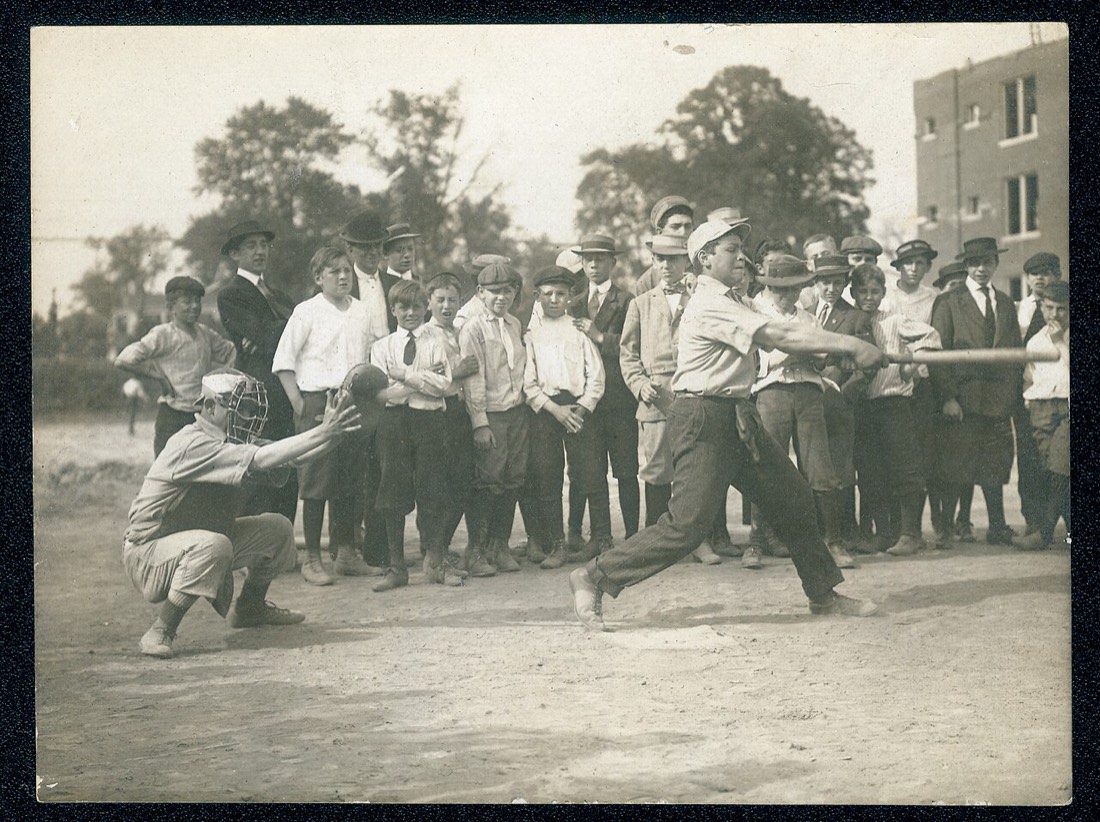
Film has become a standard teaching tool in summer wood-bat baseball, helping players see habits that feel invisible in the moment and prepare for opponents they barely know.
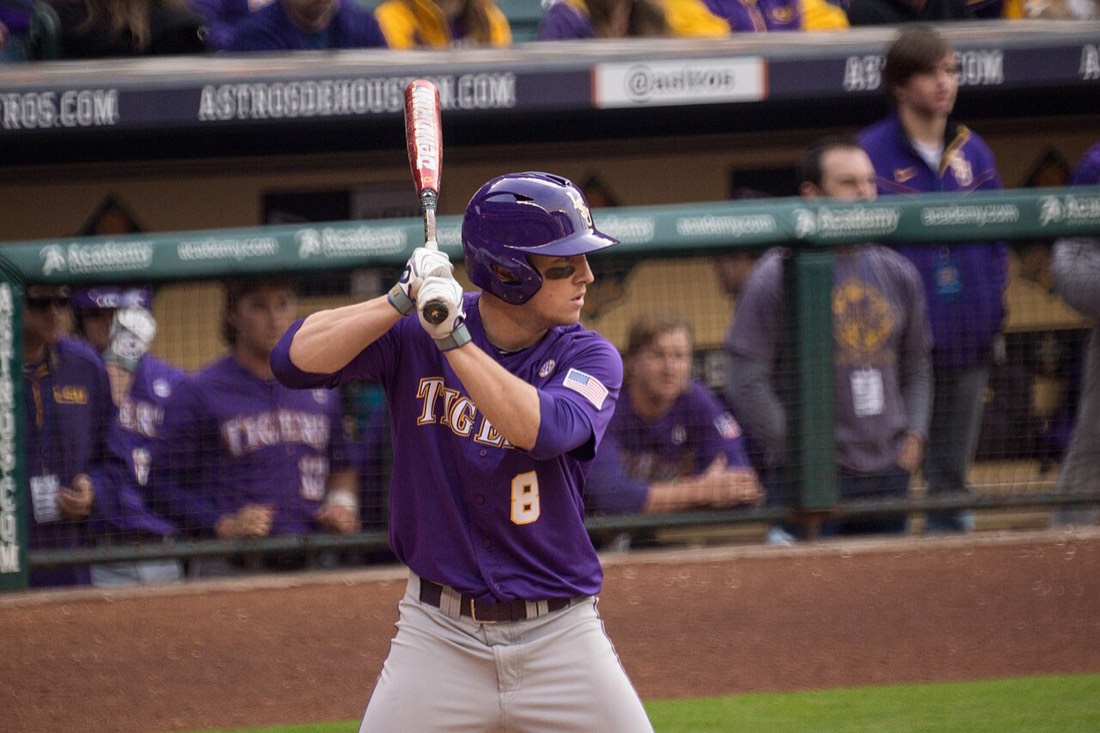
Reading a pitcher's habits from the dugout is a legal and time-honoured part of baseball, and summer collegiate teams teach it as a patient craft built on observation.
Comments
Be the first to comment on this story.