Analysis
How a Summer Team Plans Its Travel Days
Summer collegiate teams treat travel days as part of the game plan, balancing bus miles, meals, sleep and practice time so players arrive ready to compete.
Good first basemen turn difficult throws into routine outs, and the footwork and glove work behind that skill are far more demanding than most fans realise.
Ask a casual fan which position is easiest to hide a weak fielder, and first base usually gets the nod. The logic sounds fair enough: the bag is close, the throws are short, and the big bat can stand there and do little harm. Spend a few innings watching a wood-bat summer league game from behind the dugout, though, and that idea falls apart. The first baseman handles more putouts than anyone else on the field, and most of them depend on a quiet, repeated kind of craft that rarely earns applause.
Experienced players also learn to find the bag without staring at it. A quick touch with the toe tells the fielder where the base sits, and the eyes remain on the infielder. This matters when a ball is hit sharply to the right side and the pitcher must cover. The first baseman has to play the grounder, flip it, and still arrive at the base in time. Players who rush this sequence often miss the bag completely, and a play that should end the inning turns into a baserunner on second.
On a throw to the right of the bag, the footwork changes. The fielder must decide in a fraction of a second whether to stay home and stretch or to leave the base and tag the runner. Staying with the bag is almost always preferable, but a throw that pulls the glove into the path of the runner makes the tag the only choice. Good players make that call early, based on the arc of the ball, rather than waiting until it is nearly in the glove.
Many young players make the mistake of flinching. They close their eyes or pull the glove back as the ball skips toward them, and the result is a bruised shin and a runner safe at first. The cure is repetition and a certain stubbornness. Coaches often have first basemen field throws in the dirt from a few feet away, so the reflexes learn that the ball is rarely as dangerous as it appears. Soft hands matter, but trust matters more.
Wood-bat leagues add a small twist. The ball comes off the bat a little differently, and sharply hit grounders tend to carry a touch more spin and bite. Infielders who cannot rely on perfect hops are more likely to throw on the run, and the throws are less tidy as a result. A first baseman who can scoop the awkward ones makes his teammates look cleaner at shortstop and third, which is a quiet kind of value that never shows up in a batting line.
Communication is part of the job too. Popups behind the bag, short grounders that the second baseman might field, and bunts down the line all create small negotiations in the space between two players. The first baseman usually calls the play loudly and early, because a late call is no call at all. A collision between a pitcher charging off the mound and a fielder lunging toward the line can cost a team an out and a player for a few weeks.
Then there is the relationship with the pitcher. A left-handed first baseman has the natural advantage on the throw to second for a double play, but any good one learns to relay the ball with a quick, flat toss that gives the pitcher an easy target covering the bag. Many pitchers say they trust a first baseman who gives them a clear, calm face when they run toward the base. That trust takes a season to build and a single bad flip to damage.
Coaches often value a first baseman who is tall, because a long frame gives the infielders a bigger target. Height helps, but it is not a requirement. Plenty of effective ones are average in stature and make up the difference with agility, quick feet and a willingness to take a bad hop on the chest. A short first baseman who stretches well can be every bit as dependable as a towering one, and the best of them often have the fastest reactions.
The next time a ground ball is hit to the left side and the throw comes in sailing wide, watch the right foot rather than the ball. If it stays on the bag while the body stretches toward the throw, the out will probably be recorded and nobody will remark on it. That is the point of the craft. A first baseman at his best is invisible, and the plays he makes look so ordinary that only the people who have tried it understand how much work went into them.
Summer collegiate teams treat travel days as part of the game plan, balancing bus miles, meals, sleep and practice time so players arrive ready to compete.
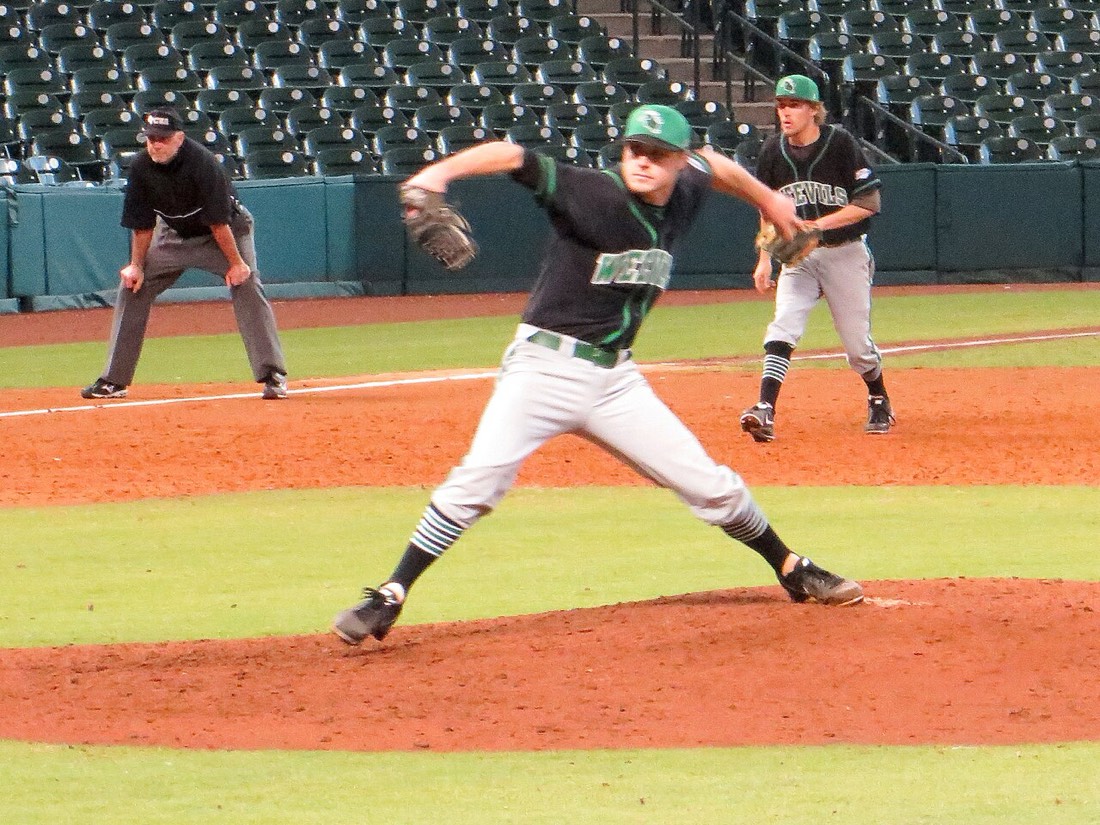
Summer league coaches have little time with each player, so the best add small, usable tools rather than rebuilding a swing or delivery from scratch.
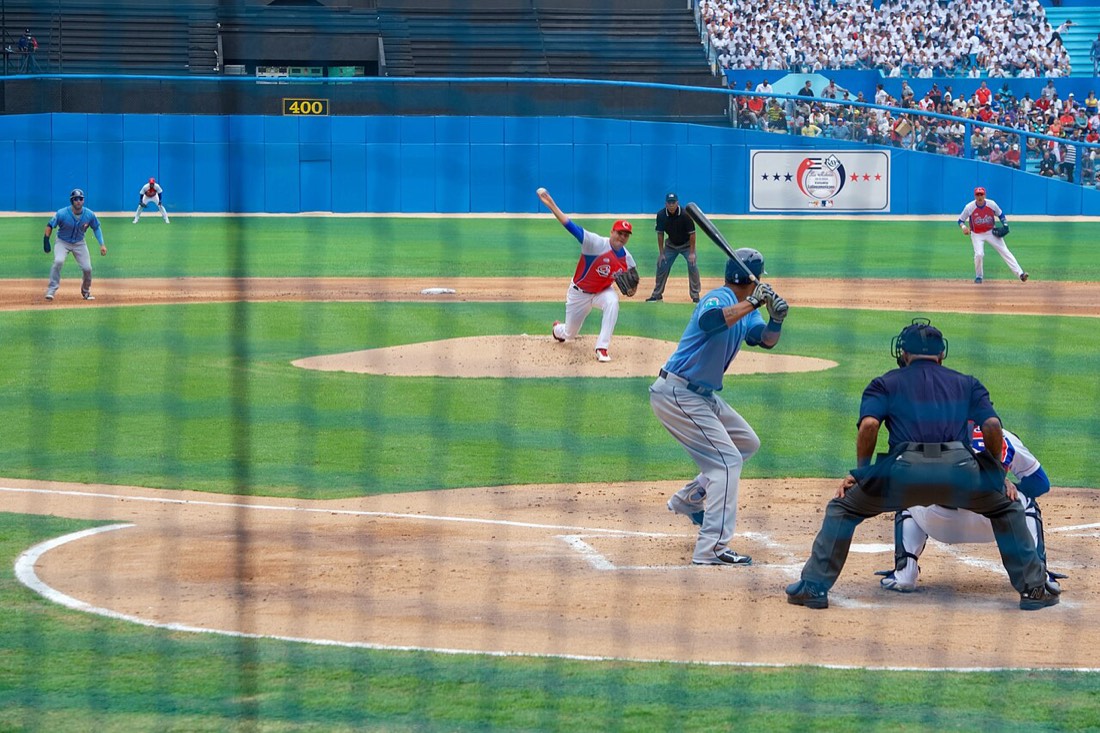
Good outfield defence depends on a clear hierarchy of voices, and summer collegiate players learn quickly why calling the ball loudly and early prevents collisions and costly misplays.
Comments
Be the first to comment on this story.