
Analysis
First Base Is Harder Than It Looks: The Craft of the Scoop
Good first basemen turn difficult throws into routine outs, and the footwork and glove work behind that skill are far more demanding than most fans realise.
Summer collegiate teams treat travel days as part of the game plan, balancing bus miles, meals, sleep and practice time so players arrive ready to compete.
A summer wood-bat season looks simple from the grandstand: nine innings, a few hours, a final score. Behind that sits a calendar that has to be solved long before the first pitch. In a league stretched across California, the miles between ballparks can quietly decide whether a team plays sharp or flat. Coaches and operations staff spend the winter and spring mapping out where the bus will be on every date. The best travel plans rarely get noticed, because nothing goes wrong. Players step off the coach, find their gloves and get to work without ever thinking about the road.
The first rule of planning is to respect geography. California is long, and a three hour ride in one direction can feel very different from a three hour ride on a crowded freeway on a Friday afternoon. Staff group road games by region where they can, so a team plays a cluster of opponents in the same part of the state rather than zigzagging north and south. When the league schedule forces a long trip, the planners look at what sits on either side of it, because a late arrival followed by an early game is a problem worth solving in advance.
Departure time matters as much as distance. A team leaving at noon for an evening game has room to absorb traffic, a gas stop and a slow lunch. A team leaving at four has almost no cushion. Coaches build in a buffer of at least an hour before batting practice would normally begin, then work backwards to set the wake-up call, the meal and the bus load time. Players learn quickly that the bus leaves when the schedule says, not when the last duffel bag is zipped, and that rule saves nervous minutes on every trip.
Once the wheels are rolling, the bus becomes a classroom, a lounge and sometimes a bedroom. Veteran staff know that sleep is the most valuable thing a young player can bring to a night game, and a ride home after a late finish is where it is most easily lost. Many teams ask players to keep headphones in and phones dimmed after the final out, then give them a quiet stretch before conversation starts up. Seats are often assigned loosely so that pitchers who threw that night can stretch out and recover a little.
Return trips are planned differently from outbound ones. After a road win the bus is loud and cheerful, and after a loss it is silent, but in both cases the staff want players home and horizontal as soon as they safely can be. Some teams arrange for the driver to drop players at several points near their host homes rather than at a single parking lot, which can save thirty minutes of extra driving for those who live farthest away. A little thoughtfulness at midnight pays off at the next afternoon practice.
Food is where many travel days are won or lost. A player who eats a heavy burger at five and then takes batting practice at six is not going to feel quick at seven. Coaches usually work out in advance where the team will eat, how long the stop will take and what is on offer. Simple, familiar choices such as rice, grilled chicken, pasta, fruit and plenty of water tend to beat anything exotic. The goal is to keep energy steady without leaving anyone sluggish, and staff are happy to say no to a menu that looks too rich.
Players also pack their own habits. A sensible bag holds sandwiches, nuts, bananas and something for the ride home when the ballpark concession stand has long since closed. Teams with a tight turnaround sometimes pre-order food so that it is waiting when the bus arrives, which turns a forty minute stop into a twenty minute one. Hydration gets special attention in California summers, since a bus can be cool while the field outside is baking. Coaches remind players to keep a bottle in hand from the moment they board, not when thirst finally arrives.
Most summer collegiate players live with local families, so the day before a long trip often involves quiet logistics at home. Host parents pack lunches, wash uniforms and drive players to the pick-up point at an early hour. Staff keep a short contact list so that nobody is left guessing about departure times. When a road series stretches over several nights, the team may book a modest hotel, with players doubled up in rooms and a curfew that everyone understands. Clear rules matter here, because a few relaxed evenings can turn into a few poor performances.
Hotel choices are practical rather than fancy. Staff look for a place near the ballpark with breakfast available early, a quiet floor and parking for a full bus. A hotel next to a noisy street can undo a night of rest no matter how comfortable the beds are. Some teams also ask for a meeting space or a corner of the lobby where the staff can gather the group for a short talk. It costs little, but it gives the team a moment of order in the middle of a busy road stretch.
A good travel day is not wasted time. Many coaches use the ride for light preparation, such as watching a few minutes of video on a tablet, reviewing the opposing lineup or talking through defensive positioning. Others prefer to leave the bus a place of rest and save the work for the field. Either approach can succeed if it is chosen on purpose. What fails is drifting, where nobody has decided what the hours are for and the team arrives tired and unfocused, with no sense of the game ahead.
When the bus finally pulls in, the clock starts again. Equipment managers unload bats, helmets and bags in a set order, and players know exactly where to drop their gear. A short walk around the field helps the legs shake off the ride, and a brief stretching routine comes before swings or throws. Pitchers loosen slowly, catchers check the bullpen mound and infielders look at the dirt. By first pitch, the team has quietly turned a long ride into part of its preparation, and the planning has done its job.
Good first basemen turn difficult throws into routine outs, and the footwork and glove work behind that skill are far more demanding than most fans realise.
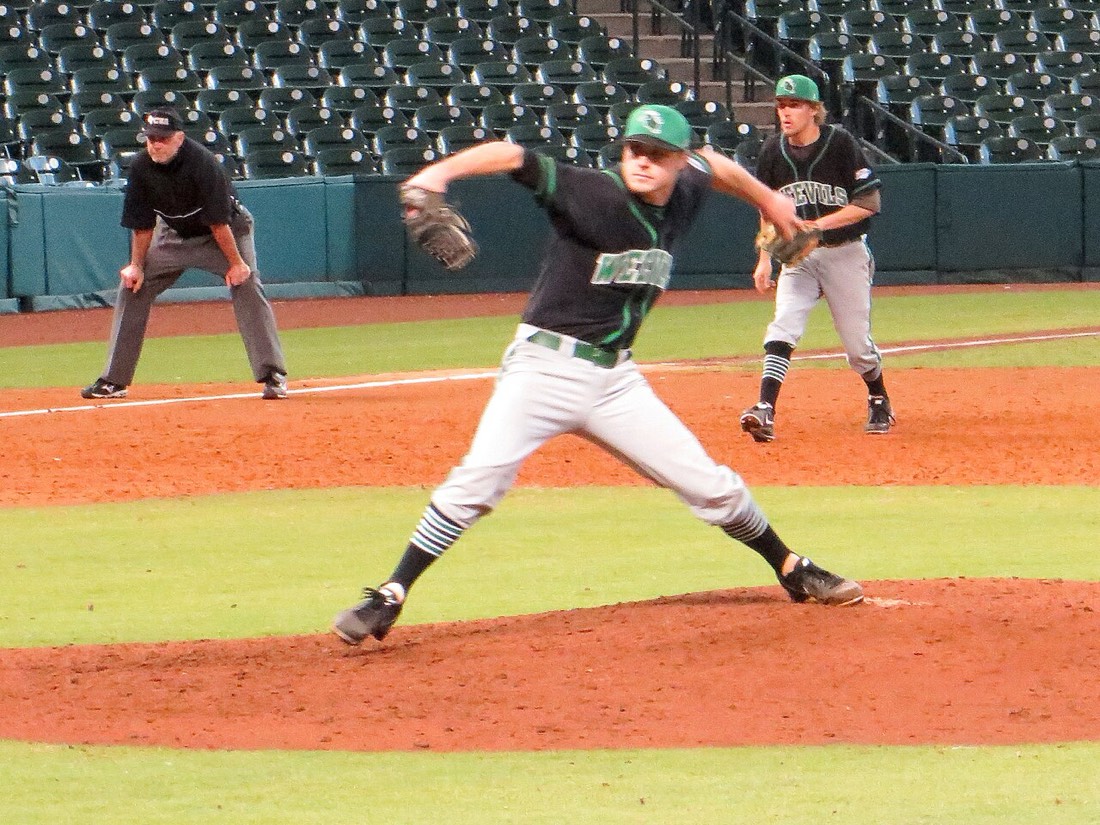
Summer league coaches have little time with each player, so the best add small, usable tools rather than rebuilding a swing or delivery from scratch.
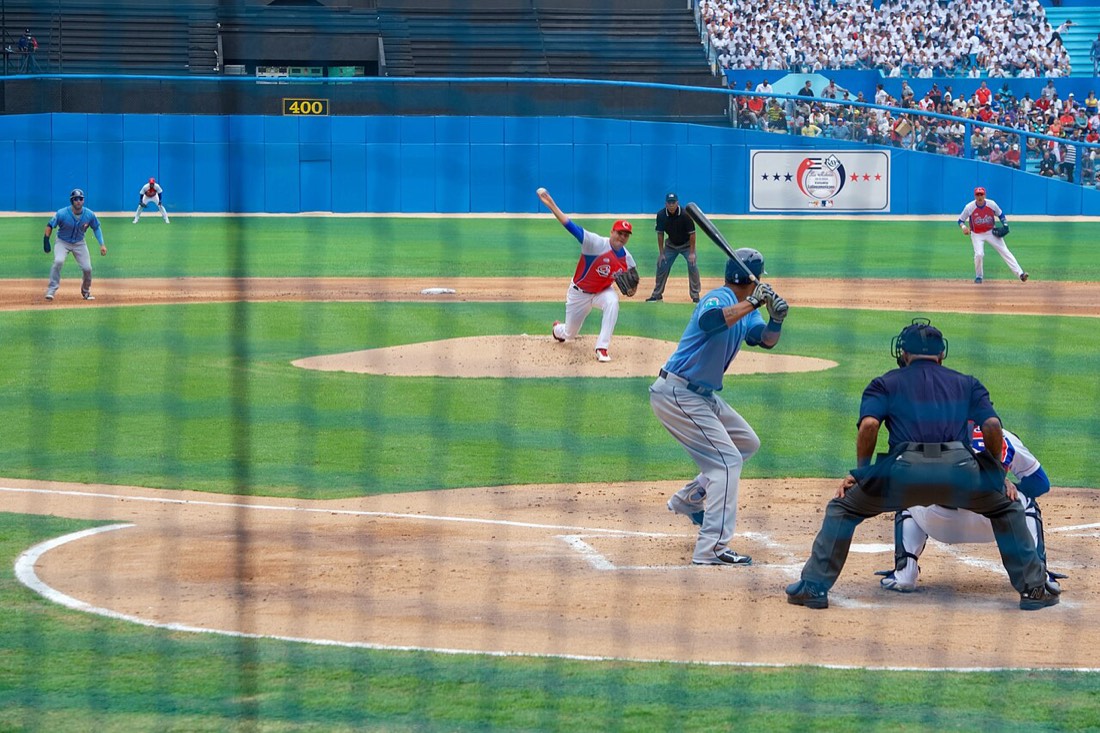
Good outfield defence depends on a clear hierarchy of voices, and summer collegiate players learn quickly why calling the ball loudly and early prevents collisions and costly misplays.
Comments
Be the first to comment on this story.