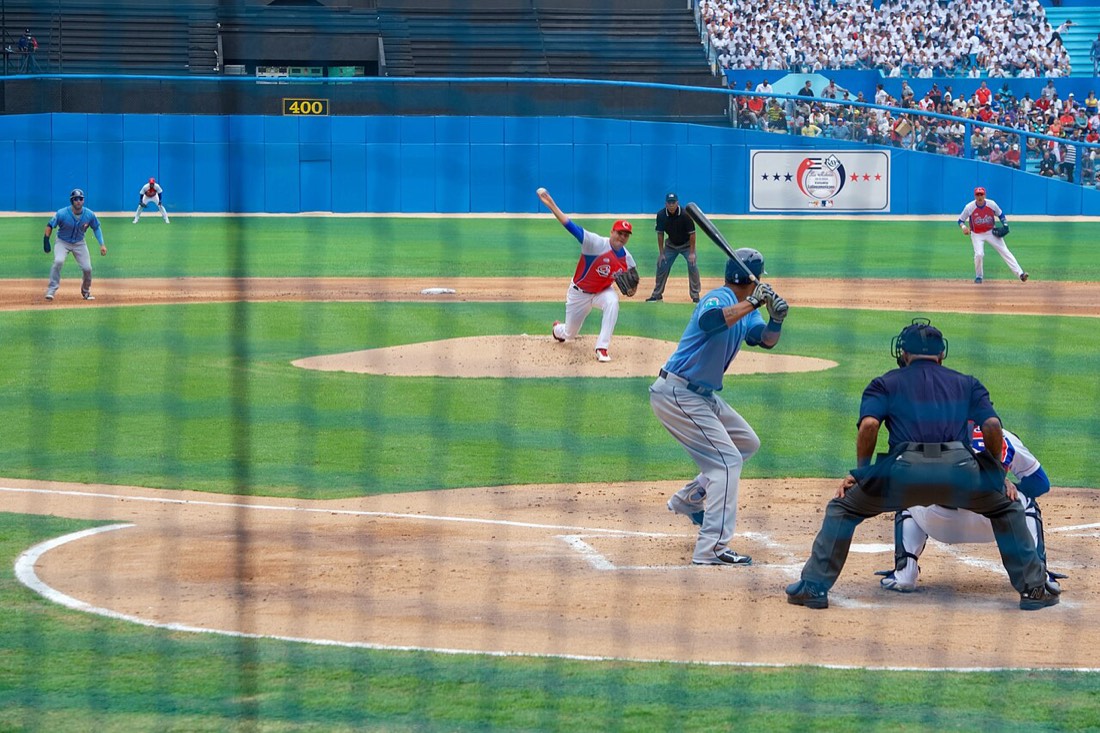
Anyone who follows modern baseball knows the picture: a left-handed slugger steps in, and the infield slides almost entirely to the right side, leaving the third base area empty. Yet watch a game in a summer collegiate wood bat league and the picture feels different. Fielders move, certainly, but the moves are smaller, subtler and often temporary. The reasons are not mysterious. They come from the bat itself, the players holding it, the fields they play on and the way a summer roster is put together.
The Bat Changes the Ball
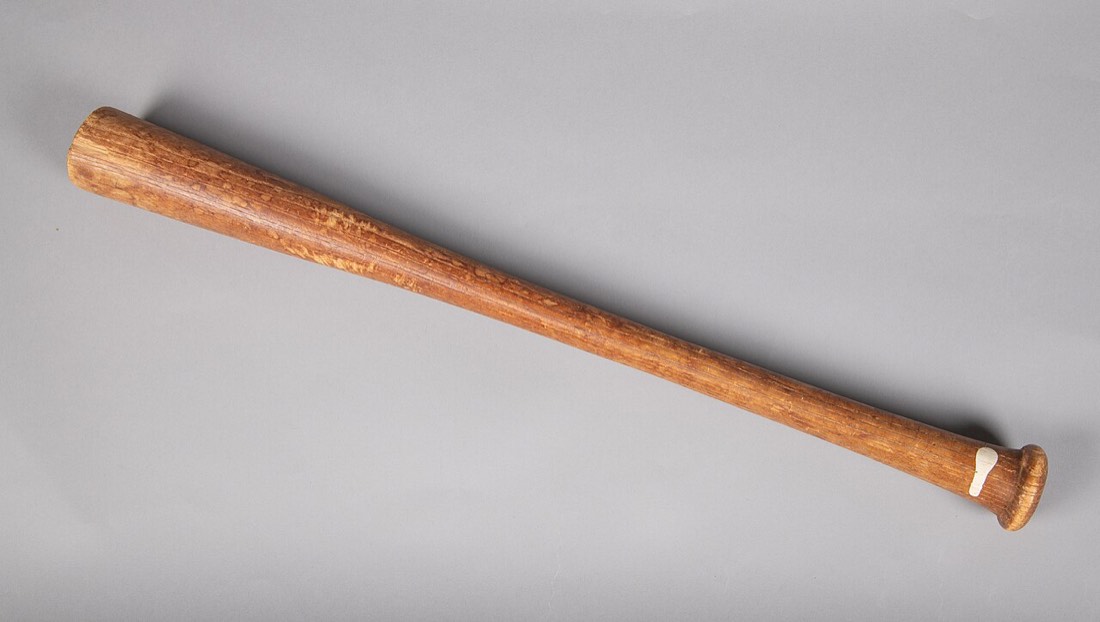
Start with the equipment. A wooden bat has a smaller sweet spot than its metal counterpart, and the ball does not leave it with quite the same life. Hitters who make perfect contact still get good results, but a ball struck slightly off the barrel tends to die quickly, drop in front of the outfielders or produce a weak ground ball. That shifts the shape of the game. Fewer balls are driven hard into the gaps, and more are put in play softly, which changes where fielders actually need to be.
This matters for positioning because shifts are built on probability. A defence moves toward the area where a hitter most often puts the ball, but with wood those tendencies are noisier. A pull-heavy batter might still pull the ball most of the time, yet jam himself and flare one to the opposite side with surprising regularity. Coaches notice the pattern and hesitate to commit fully. A bold alignment that makes sense with a metal bat can look risky when the ball behaves less predictably.
Hitters Who Are Still Learning
Summer leagues are populated by college players refining their swings, often adjusting from the aluminium they use in the spring. Many are still working out how to hit with wood, and that process produces inconsistent contact. A hitter who showed a clear spray chart in March might look different in June. The defence has less reliable information, and coaches are wary of building a strategy around tendencies that could shift in a week.
That uncertainty favours flexible positioning. Rather than moving an entire infield to one side, a coach might shade the second baseman a few steps and keep the shortstop near his usual spot. These adjustments are small enough that a ball hit the other way still has a chance of being fielded. Players are also told to stay alert, because a hitter who sees a huge hole may try to exploit it with a bunt or a late, short swing, which wood bats can make awkwardly effective.
Fields, Grass and Surfaces
California ballparks come with their own character. Some summer fields have lush, quick infield grass, while others have patchy dirt that produces strange hops. A fielder positioned deep behind the bag on a slow surface might get to the ball easily, while on a fast one he may not. Coaches who have spent several weeks at a particular park learn these quirks and incorporate them into where they stand their players, sometimes in ways no analytics sheet could capture.
Outfield dimensions vary as well, and the outfielders adjust accordingly. A deep alley in left-centre invites a shift that pulls the outfielders around, while a short porch in right can encourage a more conservative approach. Wind patterns, especially in coastal evenings, can hold up a fly ball or carry it. Experienced outfielders pay attention to these details, sometimes shuffling a few steps between pitches, and the cumulative effect is a defence that looks fluid rather than rigid.
Roster Churn and Communication
A summer roster is a temporary community. Players arrive from different colleges, bring different habits and may have never played together before the season starts. That makes elaborate defensive schemes harder to run. A complicated shift depends on every fielder knowing exactly where to go, who covers which bag, and what to do if the ball is hit somewhere unexpected. With a group that has only practised together for a few weeks, simpler is usually safer.
Communication becomes the key skill. Catchers and middle infielders often relay signals, using a glove or a quick hand motion to let teammates know where to stand. Outfielders watch the infield for cues, and the whole alignment adjusts pitch by pitch. In a league built on short-term teams, the best defences are those that talk constantly and keep the system understandable. A shift is only useful if everyone on the field understands it, and understanding takes time.
Pitchers Drive the Decision
The pitcher on the mound matters as much as the hitter. A power arm who throws hard and works up in the zone tends to produce more fly balls, while a sinkerballer generates grounders. Defensive alignments follow those tendencies, and a coach may decide to hold back a shift because his pitcher's style makes pulled ground balls less likely. Pitch type and location influence where the ball will go, and fielders are taught to read the catcher's target.
Count and situation also play a role. With two strikes, a hitter often shortens up and protects the plate, so fielders may widen their position to cover more ground. With a runner on first and fewer than two outs, the defence might shade toward the middle to turn a double play. These micro-adjustments happen every inning, and the whole defence breathes with the game. The idea of a permanent shift is mostly replaced by a continuous conversation between pitch, hitter and fielder.
What Fans Can Watch For
For spectators, the best way to appreciate wood bat defence is to watch the feet. Before each pitch, notice whether the shortstop takes a step toward the hole or a step back, and whether the third baseman creeps closer for a possible bunt. These tiny movements reveal what the coaching staff is thinking. Often they will vary from batter to batter, and sometimes from pitch to pitch, which is why a single screenshot of the infield rarely tells the full story.
It also helps to remember that defensive success is invisible when it works. A routine ground ball fielded in the right place looks effortless, and the shift that made it possible goes unnoticed. In a league full of players learning on the fly, those quiet successes are part of the charm. The game rewards attention, preparation and a willingness to adapt, and that adaptive spirit is exactly why shifts look different here than anywhere else.
Comments
Be the first to comment on this story.