Feature
Stealing Signs Legally: Reading Pitchers From the Dugout
Reading a pitcher's habits from the dugout is a legal and time-honoured part of baseball, and summer collegiate teams teach it as a patient craft built on observation.
A good pickoff move is rarely about the out itself, but about controlling baserunners, creating doubt and quietly shaping the rhythm of every inning.
Most fans notice the pickoff move only when it succeeds, when a runner is caught leaning and the umpire's fist goes up. But the move is working long before that. Every throw over to first base, every quick glance toward second, every slow step off the rubber is part of a quiet conversation between pitcher and runner. In a summer collegiate league, where many players are still developing their skills, the pickoff move can be a subtle but powerful weapon.
The obvious purpose of a pickoff is to retire a runner, but that is rarely the main goal. More often, a pitcher uses the move to control the running game. A runner who has to worry about being picked off takes a shorter lead, which makes it harder to steal a base or advance on a ground ball. Even a throw that does not catch anyone reminds the runner that the pitcher is paying attention.
This is why pitchers vary their approach. A few quick throws can keep a runner honest, while a long hold or a slow delivery can disrupt his timing. The idea is to introduce uncertainty, because a runner who cannot predict the pitcher cannot get a good jump. The most effective pitchers make the pickoff move part of their rhythm, using it to keep opponents slightly off balance without wasting energy.
Left-handed pitchers have a natural advantage with runners on first. Because they face the base, they can watch the runner without turning their head, and their move can look nearly identical to a pitch. A good left-hander can make a runner freeze, unsure whether he is going home or to first. That ambiguity is the weapon, and it frustrates even experienced baserunners.
Right-handers have to work harder. They turn their back to first base, so they rely on timing, peeks and sometimes a quick spin or a step-off. Some develop a sharp move that catches runners napping, while others focus on holding the runner with a slide step and a quick delivery. Both approaches can be effective, and a pitcher who understands his own strengths will choose the one that suits him best.
Executing a pickoff is a matter of footwork. A pitcher has to step toward the base, keep his balance and deliver an accurate throw, all while staying within the rules. A balk, which occurs when a pitcher makes an illegal motion, advances every runner, so the move has to be clean. Coaches spend time on drills that teach the sequence, because a flawed pickoff can cost a game.
Balance is equally important. A pitcher who throws off-balance risks a wild throw that sails into right field, giving the runner extra bases. The best moves are compact and controlled, using the legs and hips rather than the arm alone. Practising them regularly builds confidence, and repetition in bullpen sessions helps the footwork become automatic under pressure, and a pitcher who trusts his move will use it at the right moment rather than panicking or avoiding it.
A pickoff attempt works best when it is based on observation. Pitchers and catchers study runners for habits: how far they lead off, whether they shift weight before a steal, how they react to a throw. Some runners tend to lean toward second, which makes them vulnerable to a quick throw to first. Others dive back headfirst, and a good throw may be able to catch them off guard.
Catchers play a part too, because they see the whole field. A catcher might signal for a pickoff when he notices a runner taking a larger lead than usual, or a first baseman may relay a sign to the pitcher. The communication between battery and infielders is subtle but crucial, and in a league where players have little time to build chemistry, a few well-practised signals can make a big difference.
Pitchers also have to know when not to throw over. Too many attempts can tire the arm, disrupt rhythm and bore the crowd. Some pitchers use the move only a few times a game, saving it for key moments when a steal would hurt. Others prefer to rely on a quick delivery and let the catcher do the work. The key is balance, using the move enough to be a threat without letting it become a habit. A pitcher who throws over every other pitch gives runners a pattern to read, and a pattern is exactly what he is trying to avoid giving them.
There is also a mental side. A pitcher who focuses too much on the runner may lose concentration on the batter, and a wasted throw can make him feel rushed. Good pitchers stay calm and treat the pickoff as one tool among many. They understand that the goal is to get outs, not to win every duel with the runner, and that sometimes the best strategy is simply to throw a strong pitch.
For spectators, the pickoff move offers a small drama within the larger game. Watch how a runner reacts when the pitcher steps off, and how the crowd leans in when a lefty holds the ball. These moments are brief, but they reveal the tension that underlies every pitch. A well-timed pickoff can change the momentum of an inning, and even a failed attempt keeps the runner nervous.
In the end, the pickoff move is a reminder that baseball is a game of small advantages. No single throw decides a season, yet the habit of paying attention, of keeping runners honest and making the opponent think, accumulates over time. The quiet weapon does not make the highlight reel often, but it is always there, shaping the game from the shadows, and the best pitchers know exactly how to use it.
Reading a pitcher's habits from the dugout is a legal and time-honoured part of baseball, and summer collegiate teams teach it as a patient craft built on observation.

Scouts watching the summer collegiate circuit look past raw numbers for tools, instincts, and the subtle habits that predict how a player will develop.
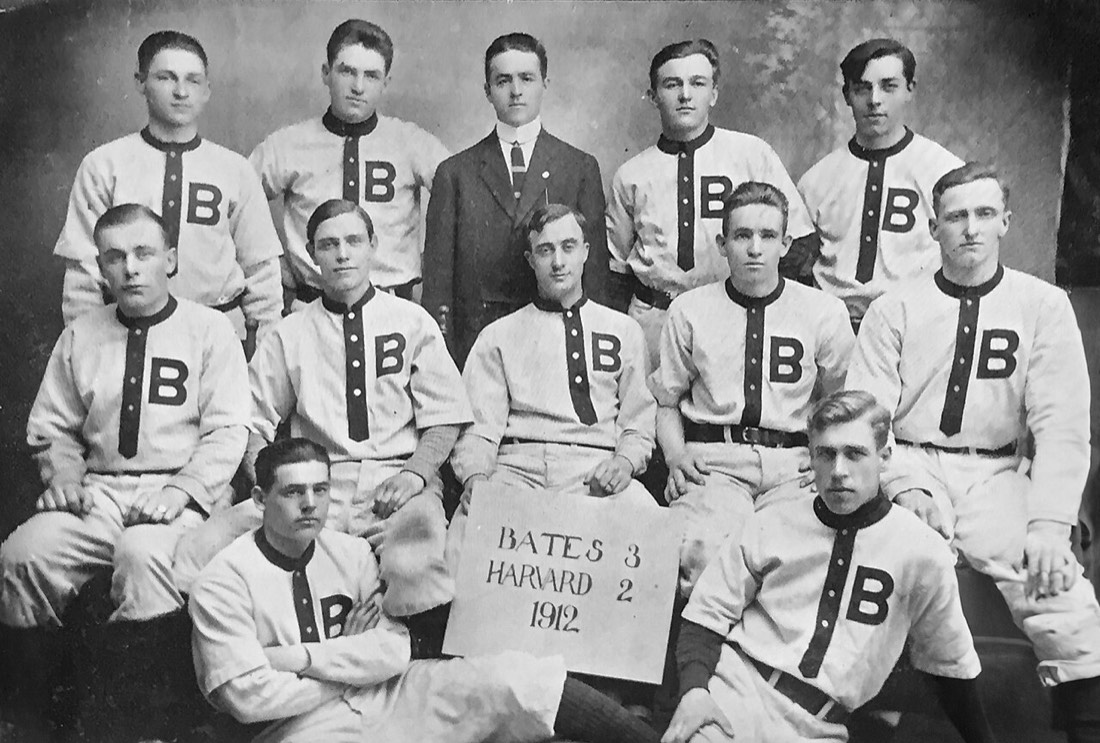
Framing is the quietest skill in baseball and one of the most valuable. A catcher who steals strikes changes how an entire staff attacks hitters.
Comments
Be the first to comment on this story.