Feature
The Lost Art of the Hit-and-Run and Why Smart Teams Still Use It
Analytics pushed the hit-and-run toward extinction, but in the right count with the right hitter it remains one of baseball's most underrated weapons.
Framing is the quietest skill in baseball and one of the most valuable. A catcher who steals strikes changes how an entire staff attacks hitters.
Of all the skills a baseball player can develop, pitch framing may be the hardest to appreciate from the stands. It produces no highlight, generates no cheer, and shows up in no traditional box score. Yet ask any pitcher who has thrown to a gifted receiver and he will tell you the truth without hesitation. A catcher who steals strikes makes a staff better, and the effect compounds across a game in ways casual fans rarely notice.
Framing is the art of receiving a pitch so that it looks more like a strike to the umpire than it really was. The best receivers catch a borderline pitch on the edge of the zone and hold it there with a quiet, almost imperceptible glove, presenting it rather than stabbing at it. A pitch an inch off the plate becomes a called strike. Over the course of a game, a handful of those stolen strikes can swing several at-bats, and a few swung at-bats can decide the outcome.
The mechanics are subtle and genuinely difficult. A catcher sets up early and quietly so the umpire's eyes are not distracted by late movement. He receives the ball from the bottom up on low pitches, letting the glove travel into the zone rather than away from it. He keeps his body still and his head steady, because a flinch or a lunge tells the umpire the pitch missed. Done well, framing looks like nothing at all, which is precisely why it works.
The most underrated consequence of good framing is what it does to the pitcher's confidence and approach. A pitcher who trusts his catcher to hold the edges is willing to live on those edges. He will throw to the corners, challenge the bottom of the zone, and expand with two strikes, because he believes close pitches will be rewarded. A pitcher throwing to a poor receiver does the opposite. He pulls his pitches back toward the middle of the plate to avoid giving away free balls, and the middle of the plate is where hitters do their damage.
In other words, framing does not just steal strikes on the pitches it affects directly. It changes the pitcher's willingness to attack the zone at all, which improves the quality of every pitch he throws. A staff that trusts its receiver is a staff that pitches aggressively, and aggressive pitching produces quick innings, low pitch counts, and deeper outings.
There is a game-management layer too. A smart receiver is not just catching pitches, he is reading the umpire. Every umpire has tendencies. Some give the low strike, some reward the pitch on the outer edge, some tighten up with runners on base. A catcher who diagnoses the zone early in a game can guide his pitcher toward the areas the umpire is rewarding and away from the ones he is squeezing. That real-time adjustment is worth as much as any single stolen strike.
None of this means framing is risk-free or purely good. A catcher who overcommits to stealing strikes can neglect blocking balls in the dirt, which is a disaster with runners on base. The elite receivers manage both, presenting pitches cleanly while remaining ready to smother anything that bounces. The balance between receiving softly and blocking hard is one of the subtlest trade-offs a young catcher has to learn, and it takes years of reps to get right.
Developing the skill is a slow grind. Coaches drill it with machines, with soft-toss into the zone, and with endless repetition on receiving pitches from every quadrant. A young catcher often has to unlearn bad habits first, like turning the glove over on a low pitch or snatching at the ball out of nervousness. The work is tedious and invisible, and the payoff arrives only gradually, which is why so few players truly master it.
It also demands a particular temperament. A great receiver is calm by nature. He does not get rattled by a bad call, he does not argue, and he does not let his body language betray frustration, because the umpire is always watching. The best framers build a quiet credibility with umpires over the course of a season. They are honest in how they receive, they do not try to steal pitches that are obviously balls, and that honesty earns them the benefit of the doubt on the genuinely close ones.
For all the attention the modern game pays to velocity and spin rate, the humble skill of receiving remains one of the clearest ways a defense can manufacture an edge. It will never fill a highlight reel. It will, inning after inning, quietly tilt the count in a pitcher's favor and give a staff the confidence to attack. The next time you watch a game, forget the hitter for a moment and watch the glove. The best catchers make the hardest job in baseball look like they are doing nothing at all.
Analytics pushed the hit-and-run toward extinction, but in the right count with the right hitter it remains one of baseball's most underrated weapons.

Winter is when players quietly build the balance, energy, and everyday wellness that will carry them through the long months of league play ahead.
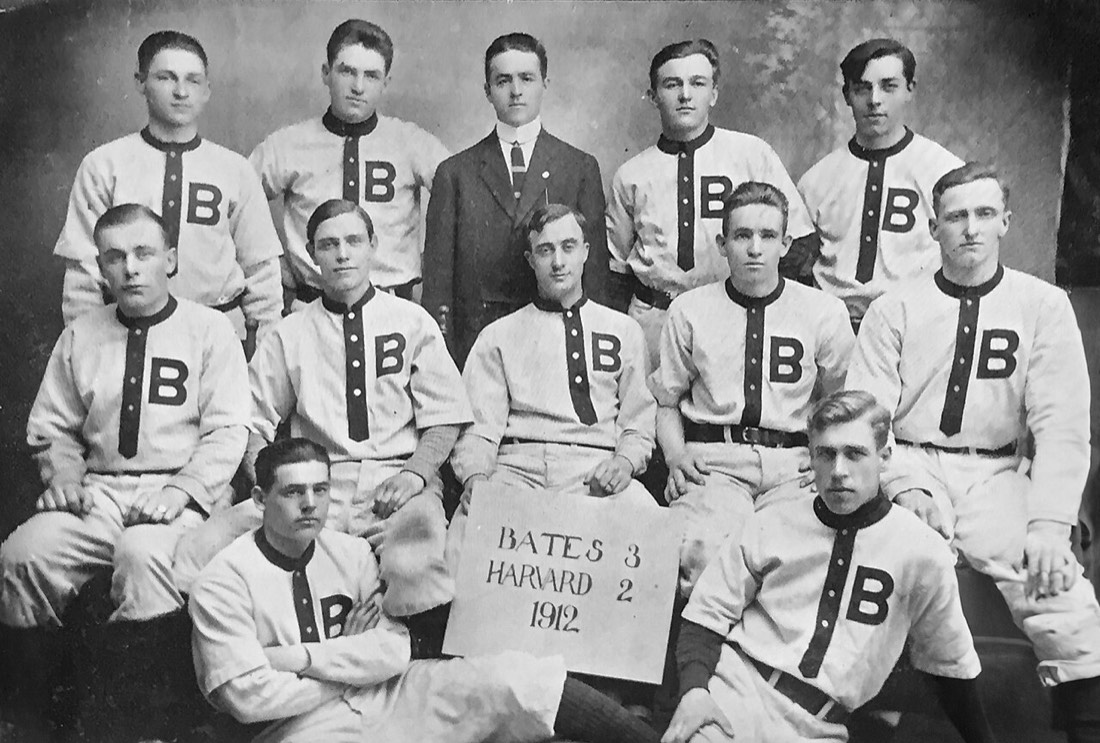
From inner-ear steadiness to even energy over forty, the players and staff of a summer league learn that wellbeing is a daily practice, not a quick fix.
Comments
Be the first to comment on this story.