
Feature
The Off-Season Habits That Decide Next Summer
Winter is when players quietly build the balance, energy, and everyday wellness that will carry them through the long months of league play ahead.
Analytics pushed the hit-and-run toward extinction, but in the right count with the right hitter it remains one of baseball's most underrated weapons.
A generation ago, the hit-and-run was a staple of every competent offense. A manager would flash the sign, the runner would break with the pitch, and the hitter would be obligated to put the ball in play somewhere on the ground, ideally through the hole vacated by the fielder covering second base. It was baseball's version of a set play, a moment of coordination in a game that otherwise unfolds one isolated confrontation at a time. Today it is nearly gone, and its decline says a lot about how the modern game thinks.
The analytics movement did not love the hit-and-run, and for defensible reasons. On paper the play asks a hitter to swing at a pitch he might not want and to make weak contact on purpose, trading power for placement. In a run environment built around on-base percentage and extra-base hits, deliberately slapping a ground ball looks like surrendering value. The numbers suggested that teams were better off letting hitters hunt their pitch and letting runners advance on actual hits rather than manufactured ones.
But the numbers were answering a slightly different question than the one good managers were asking. The hit-and-run was never meant to be a blanket strategy. It was a situational tool, and tools are only wise or foolish depending on when you reach for them. Used indiscriminately, it drags down an offense. Used surgically, it still wins games, and the best coaches in collegiate baseball understand the difference better than most.
Consider the ideal conditions. You want a contact hitter at the plate, someone who rarely strikes out and controls the bat head. You want a count where the pitcher is likely to throw a strike, so the hitter is not forced to flail at a ball in the dirt with a runner exposed. You want a runner at first with decent instincts, not necessarily blazing speed. And crucially, you want a middle infield that will have to move to cover the base, opening a lane that was not there before the runner broke.
When those elements line up, the play does several things at once. It stays out of the double play, which is enormous late in a close game. It puts a runner in scoring position without needing a stolen base. And it forces the defense to make a split-second decision under duress, which is where errors are born. A good hit-and-run does not just advance a runner. It injects chaos into a defense that would otherwise be comfortable.
There is a hidden benefit too. The threat of the hit-and-run changes how the defense plays even when it is not on. If a middle infielder has to respect the possibility that the runner might break, he cannot cheat as aggressively toward the middle, and that hesitation widens the natural holes for a hitter. A team that runs the play occasionally earns a tax it collects on every other pitch, simply by keeping the defense honest.
The execution demands are real, which is part of why the play faded. It requires practice reps that many programs no longer prioritize. A hitter has to be trained to read the pitch quickly and to go the other way with an inside pitch rather than trying to pull it. A runner has to know he is committed the moment the pitcher goes home, even if the ball ends up fouled off or swung through. When the timing breaks down, the play turns into a caught stealing or a tailor-made double play, and a single ugly result can scare a staff off the call for a month.
That fear is the real reason the hit-and-run is disappearing, more than any spreadsheet. Managers are human, and a failed hit-and-run looks terrible. It feels like self-inflicted damage, whereas a conventional strikeout feels like the hitter's fault. The asymmetry in blame pushes cautious coaches toward passivity, even when the aggressive play has a better expected outcome in the right spot.
The coaches who still use it tend to share a trait. They are confident enough to accept the occasional embarrassing failure because they trust their read of the larger picture. They know their personnel, they know the count tendencies of the pitcher, and they are willing to be second-guessed. That willingness to be wrong in public is the price of a tool that, deployed correctly, tilts a tight game.
It is worth remembering that baseball strategy moves in cycles. Defensive positioning gets extreme, then rules or counter-strategies pull it back. The same may yet happen with manufactured offense. As more teams load up on power and strikeouts, the value of a contact-oriented, movement-based attack may quietly rise again, and the hit-and-run could find itself rediscovered by a new generation of coaches looking for an edge the data crowd overlooked.
For now it survives in the hands of the few who never abandoned it. Watch closely in a tie game in the late innings, a contact hitter at the plate, a runner leaning at first, and a count that favors a strike. If you see the runner break and the hitter guide a ground ball through a hole that was not there a second earlier, you are watching one of baseball's oldest plays refuse to die.
Winter is when players quietly build the balance, energy, and everyday wellness that will carry them through the long months of league play ahead.
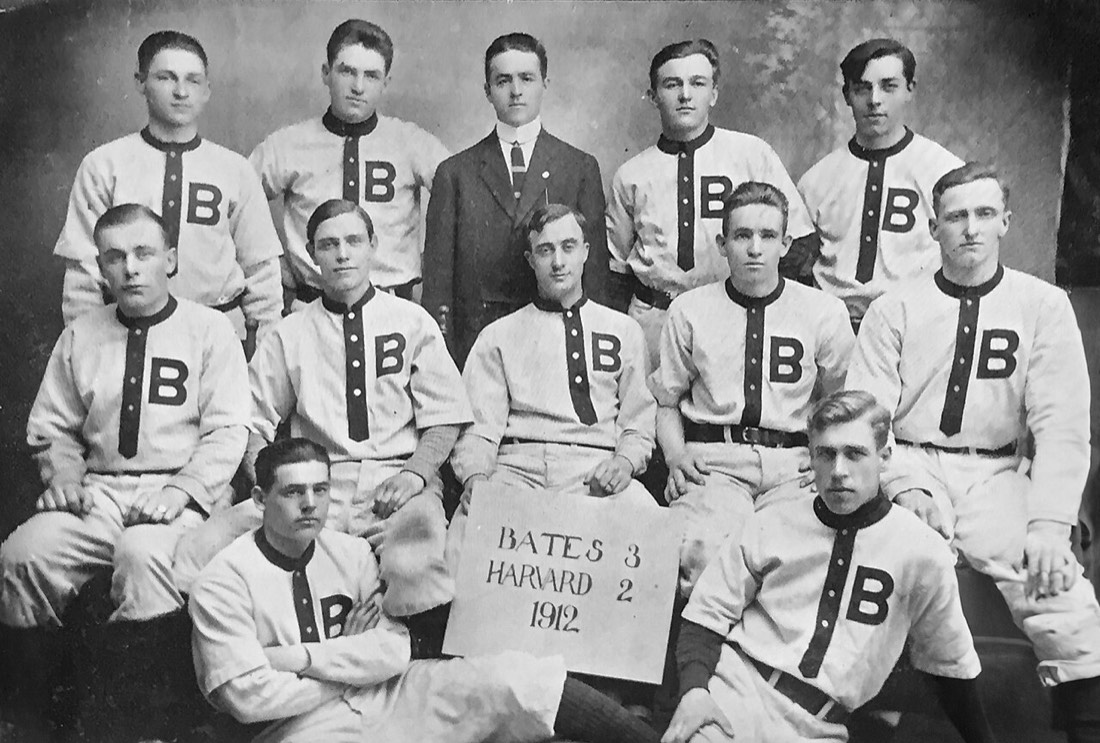
From inner-ear steadiness to even energy over forty, the players and staff of a summer league learn that wellbeing is a daily practice, not a quick fix.
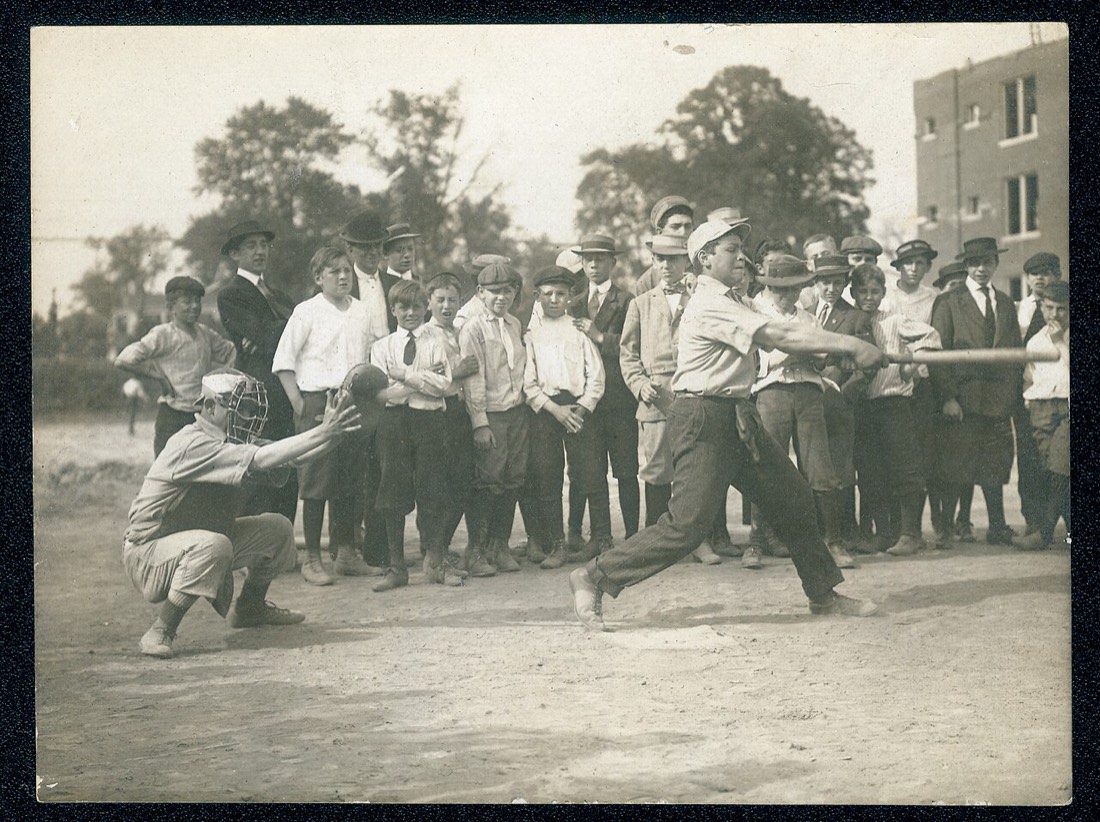
Hitting a baseball is often called the hardest skill in all of sports, and the summer league is where many college hitters truly confront that truth.
Comments
Be the first to comment on this story.