technical
The Unwritten Rules That Still Shape the Dugout
Baseball's unwritten rules still govern dugout conduct, respect, and the rhythms of the game, even as the sport grows more expressive and modern.
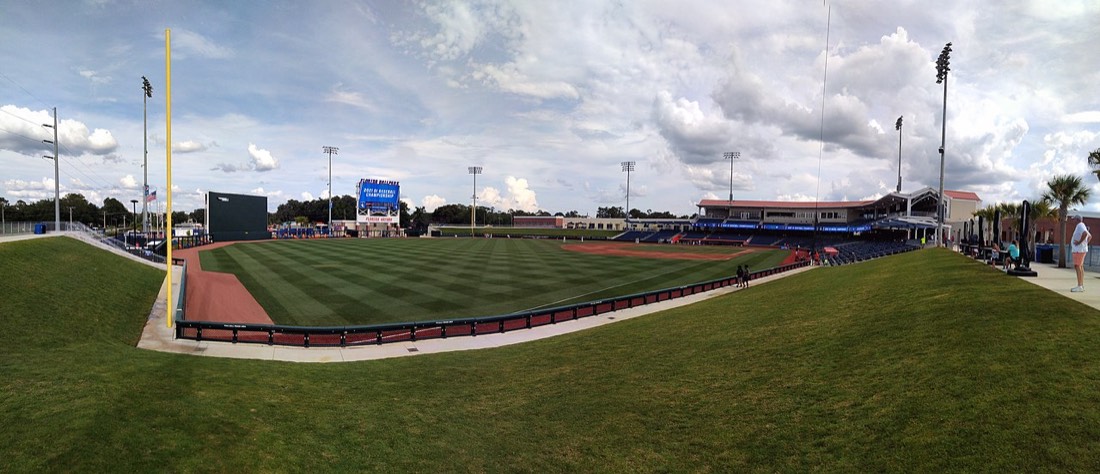
When the tarp comes out, players, fans and groundskeepers all slip into a different rhythm, and the pause often becomes the most memorable part of the evening.
A rain delay turns a ballpark into a different place. The lights are on, the tarp is rolled out and a few hundred fans huddle under the concourse awning, waiting. Time loosens its grip. In a game normally structured by outs and innings, nobody knows whether play will resume in ten minutes or two hours. For a summer collegiate league, where evenings are often warm and dry, a delay is a rare event, which makes it feel even more memorable when it arrives.
The first sign of trouble is usually a change in the air. Clouds thicken, the wind shifts and the smell of wet grass drifts across the field. Umpires watch the sky, consult each other and decide when it has become unsafe or impractical to continue. When they finally wave players off, the ground crew springs into action, dragging a massive tarp across the infield with a choreographed urgency that fans love to watch.
That scramble is one of the most underrated spectacles in baseball. A crew of volunteers and staff, often a mix of young people and long-time ballpark regulars, races to protect the dirt before it turns to mud. Everyone has a role: some pull, some hold the edges, some carry sandbags. When the tarp is finally in place, there is often a small cheer, as though the crowd has just seen a minor victory.
For the players, a delay is strange and sometimes uncomfortable. Pitchers who were warm and rhythmic suddenly find themselves sitting in the dugout, cooling down. Hitters who were locked in lose their feel. Coaches try to keep everyone loose, suggesting light stretching, short conversations and small games to pass the time. The challenge is staying ready without exhausting the body.
Starting pitchers face a difficult decision. If the delay is short, they may be able to return and continue. If it stretches long, the manager may remove them to protect their arm, even if they were pitching well. These calls depend on the stage of the game and the pitcher's workload. It is one more example of how weather can reshape strategy, forcing managers to improvise on the fly. A bullpen that was carefully planned an hour earlier may suddenly need rearranging, and a lineup card can look entirely different once the umpires finally call for play.
Away from the field, the clubhouse becomes its own world. Players gather in small groups, trading jokes, snacking and checking the radar on their phones. Some sit quietly, listening to music or staring at the ceiling. Others wander the hallways in uniform socks, restless. There is a special kind of camaraderie in these moments, because nobody has anything to do but wait together.
Coaches often use the time for informal conversation. They may review the game so far, discuss adjustments or simply check in on how players are feeling. A rain delay can be a chance to talk about things that rarely come up during the heat of competition. Younger players who might be too shy to speak in a crowded dugout sometimes open up, and bonds form that last long after the weather clears.
Spectators do not simply sit and wait. Families wander the concourse, children splash in puddles, and groups of friends share stories over snacks. Some ballparks bring out mascots or run small contests to keep the crowd entertained. Others rely on the natural charm of the setting, with the lights glowing on wet grass and the sound of rain drumming on the roof.
There is something nostalgic about it. For a short while, the game becomes less about the scoreboard and more about the experience of being there. Strangers strike up conversations, older fans share memories of famous storms, and the whole ballpark feels like a village waiting out the weather together. Many regulars say that some of their best baseball memories came during a delay, not during a play on the field. A shared umbrella, a borrowed blanket or a conversation with the stranger in the next seat can linger longer than any single inning.
Once the rain eases, attention turns to the field. Groundskeepers inspect the infield, spreading drying agents and raking away puddles. The condition of the dirt determines whether play can resume safely, and this decision rests on experience. Too much moisture can make footing treacherous, while a surface that is merely damp may be perfectly fine. Their judgment shapes the entire evening.
Watching them work is a lesson in patience and skill. They move methodically, testing the soil, smoothing the base paths and checking the mound. Their reward is rarely recognised, yet without them the game could not continue. A good groundskeeper reads the sky, the soil and the clock all at once, balancing the wish to finish the game against the need to protect players from a slippery, unsafe surface. When the tarp is finally pulled away and the field looks crisp again, it is a quiet testament to the people who care for the ballpark day after day.
The resumption of play carries its own special energy. Pitchers get a brief extra warm-up, hitters step back into the box and the crowd, thinned by the wait, cheers with extra warmth. There is a feeling that everyone has endured something together. The game may be messy, with unusual hops on the damp infield and the occasional slip, but it also feels more alive.
In the end, the rain delay is a reminder that baseball does not run on a clock. The game follows its own rhythm, and sometimes that rhythm includes a long pause. Players, fans and staff all adjust, finding small pleasures in the waiting. When the first pitch finally comes after the break, it is more than the continuation of a contest; it is the return of a story that never really stopped.
Baseball's unwritten rules still govern dugout conduct, respect, and the rhythms of the game, even as the sport grows more expressive and modern.
Good outfield defence depends on a clear hierarchy of voices, and summer collegiate players learn quickly why calling the ball loudly and early prevents collisions and costly misplays.
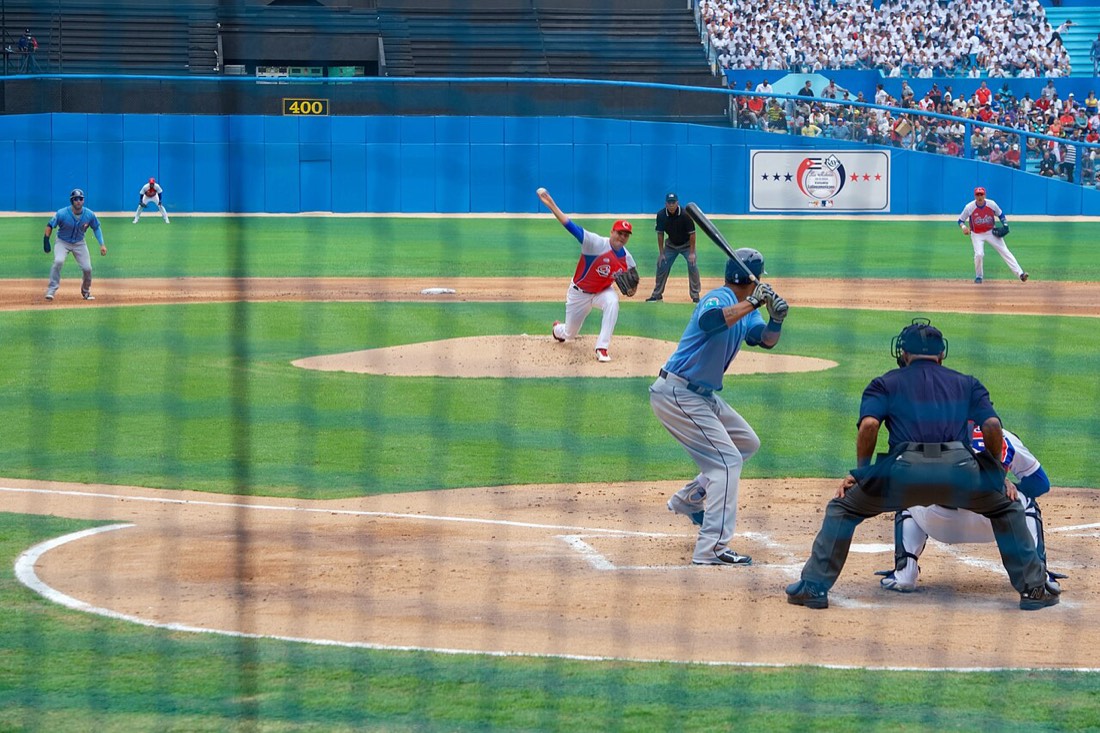
Great hitters change their plan once they have two strikes, shortening the swing, widening the zone and protecting the plate, and summer collegiate players show how that adjustment is learned.
Comments
Be the first to comment on this story.