
technical
Rain Delays and the Strange Rhythm They Bring to a Ballpark
When the tarp comes out, players, fans and groundskeepers all slip into a different rhythm, and the pause often becomes the most memorable part of the evening.
The double play pivot demands quick feet, a steady throwing base and clear timing, and summer collegiate infielders refine it through repetition until the movement looks effortless.
Few plays in baseball are as satisfying as a clean double play. The ground ball is fielded, the ball flips to second base, the pivot man glides across the bag, and a throw to first completes the second out, all in about four seconds. To spectators it looks almost casual. To the infielders, it is a rehearsed sequence of footwork, timing and trust, and in a summer collegiate league the pivot is one of the skills players work hardest to sharpen.
The pivot is the movement the second baseman or shortstop makes at second base while receiving the throw and delivering it to first. Its purpose is twofold: get the force out at second, and clear a safe throwing lane to first before the runner arrives. Everything about the footwork is designed to do both jobs at once. The pivot man must find the bag, catch the ball, change direction and throw, all while an approaching runner tries to knock him off balance.
Positioning begins before the pitch. The pivot man knows the batter, the runner and the likely direction of a ground ball, and he adjusts his depth and angle accordingly. Against a slow hitter, he may play closer to the bag, giving himself more time. Against a fast one, he cheats toward the middle, ready to cover ground quickly. This preparation is invisible to most fans, yet it shapes how much time he will have when the ball finally comes.
Equally important is the mental picture. The pivot man should know where the ball is going before it arrives, tracking the fielder and the throw as they develop. Veterans talk about feeling the bag with their feet while their eyes stay locked on the ball. That awareness of the bag without looking down is what allows a smooth, unhurried turn, and it takes hundreds of repetitions to develop. Young infielders often practise it with eyes fixed on a coach, simply to train the feet to know where the base sits.
There are several accepted approaches, and each infielder tends to settle on one. In the classic crossover pivot, the player approaches the bag from the infield side, catches the ball, drags his foot across or touches the base, and steps toward first with the opposite foot before throwing. This keeps his body moving away from the runner. The movement is quick and economical, and it creates momentum that carries into the throw.
A second option is the drag-and-hop, used when the throw comes from the third base side. The pivot man catches the ball, brushes the bag with his foot, and hops off to avoid the runner, throwing as his body clears. It sounds simple, but the timing is delicate: touch too early and the umpire may rule no force; touch too late and the runner arrives first. Hitters in wood-bat leagues often hit sharp ground balls, so the margin for error is smaller.
A third variety is the open-field turn, favoured when the ball is hit directly to the pivot man. In that case he may skip the bag entirely, fielding the grounder, stepping on second himself, and then throwing to first. Choosing the right approach depends on the throw, the runner and the play unfolding, and infielders practise each version separately until the decision becomes instinctive. Good coaches insist on mastering all three, because the game rarely offers the same situation twice.
The throw from the pivot is rarely taken from a perfect base. Often the infielder is leaning, moving sideways or off balance, with a runner bearing down. Because of this, many pivot men use a short, quick arm action, getting the ball out of the glove and onto the target without winding up. The throw is often sidearm or three-quarters, and it relies on accuracy rather than raw strength. A strong body helps, but a quiet, repeatable release matters more.
Runners are legally allowed to slide hard into second to break up the play, though rules protect infielders from deliberate collisions. Pivot men learn to expect contact and to protect themselves by leaving the bag quickly. They also learn to read the runner's slide, jumping or stepping aside as needed. Courage is part of the skill, but so is timing: the best pivot men are rarely hit because they are already gone when the runner arrives.
Communication between the pivot man and the fielder completes the picture. The shortstop or second baseman calls for the ball with a signal, and the other player knows to throw to the chest or the bag, depending on the situation. A throw that arrives too high, too low or too wide ruins the timing. Trust between partners develops over weeks, and teams with a settled middle infield tend to turn far more double plays.
No part of the double play is complicated on its own. What makes it hard is the combination, performed in a fraction of a second against a moving runner. Coaches therefore spend long stretches of practice on it, rolling ground balls to the shortstop and having partners turn the play over and over. Players move from slow, deliberate repetitions to full-speed versions, adding runners last. The progress is gradual, but the improvement is visible within a few weeks.
In a ten-week summer season, that improvement can be dramatic. Two players who meet in June as strangers can by August move around second base like old partners, each anticipating the other's move without speaking. The next time a ground ball is hit to short with a runner on first, watch the feet instead of the ball. The quiet precision of the pivot is one of the sport's hidden pleasures, and it is built entirely on practice.
When the tarp comes out, players, fans and groundskeepers all slip into a different rhythm, and the pause often becomes the most memorable part of the evening.
Baseball's unwritten rules still govern dugout conduct, respect, and the rhythms of the game, even as the sport grows more expressive and modern.
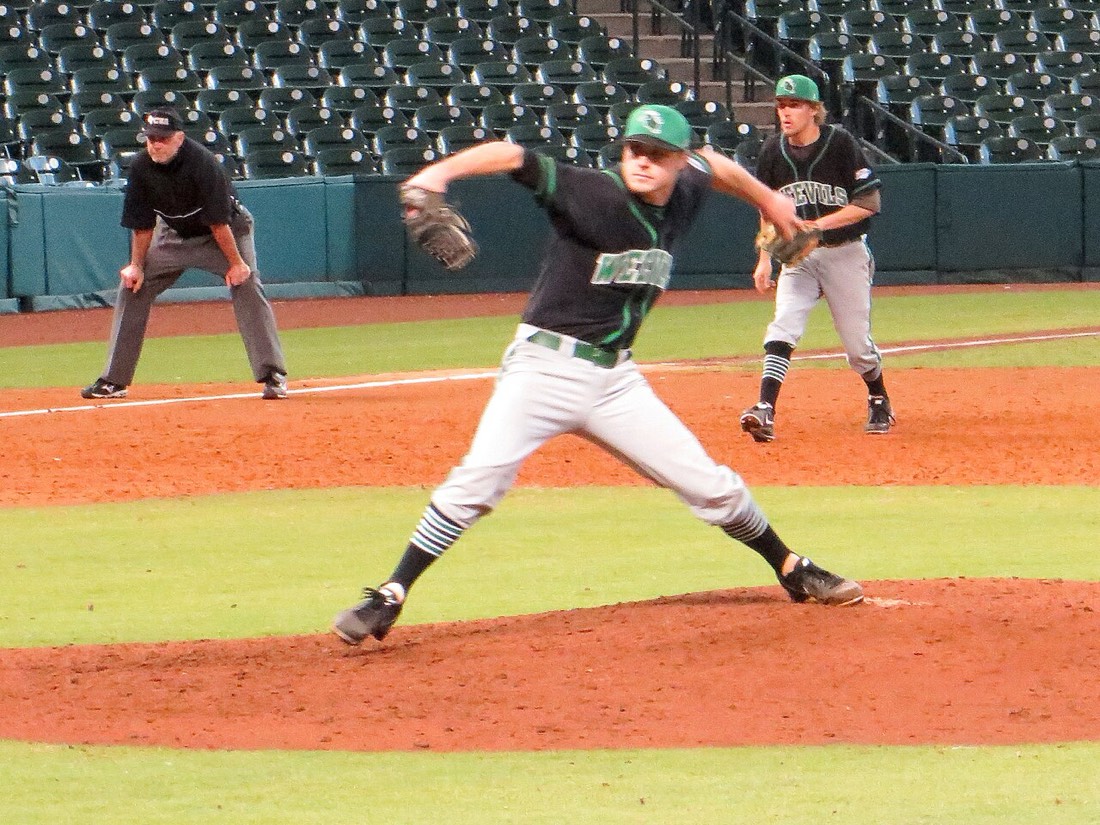
Summer league coaches have little time with each player, so the best add small, usable tools rather than rebuilding a swing or delivery from scratch.
Comments
Be the first to comment on this story.