Culture
The Bat Boy's View of a Summer Collegiate Season
Spending a summer as a bat boy offers an unusual window into a collegiate wood-bat league, from early arrivals and equipment duties to the small rituals players share.
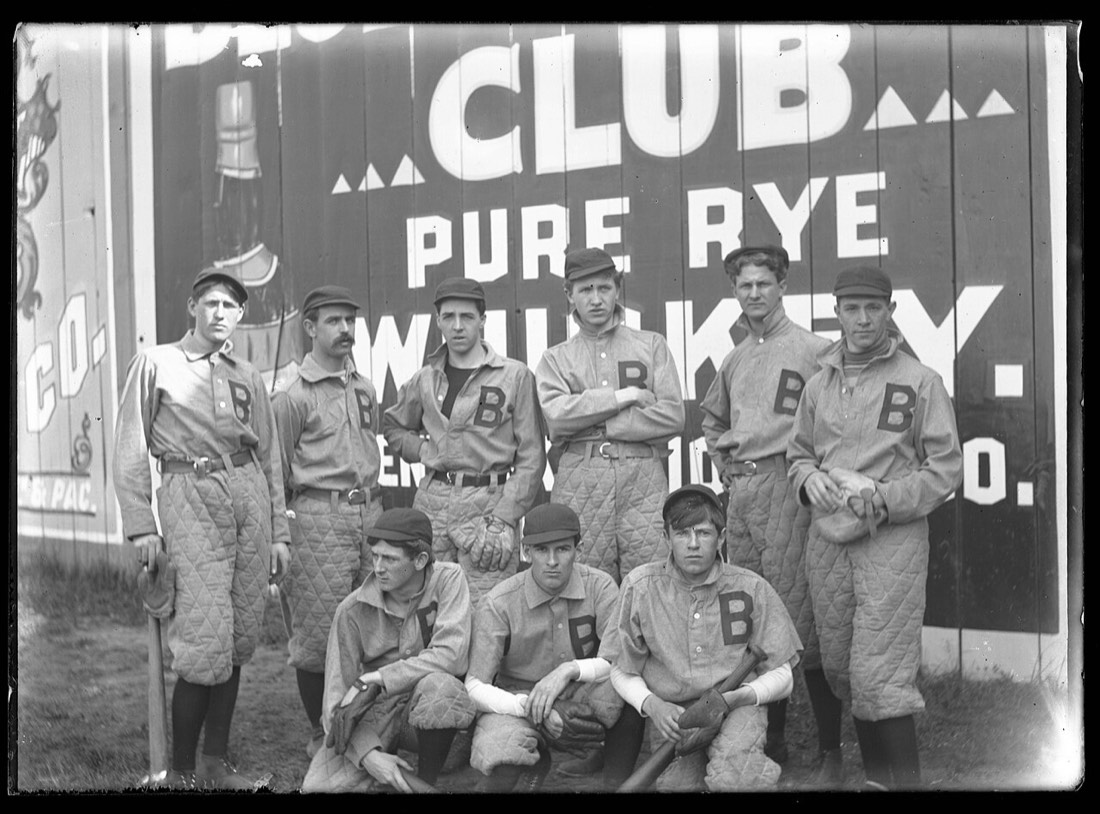
On a short summer roster, the player who can fill several positions gives a manager flexibility, protects tired teammates and often becomes the quiet glue of the clubhouse.
Summer league rosters are small by design. Players arrive for a few weeks, some leave early for other commitments, and injuries or fatigue can thin the group quickly. In that setting, the player who can handle several spots is worth more than his batting line suggests. He might start at second base on Monday, play left field on Wednesday and catch an inning of relief work on the weekend. His versatility is not flashy, yet it holds the whole structure together and lets a manager stay flexible when plans meet the usual surprises.
A manager writing a lineup card in a wood-bat summer league faces a puzzle every day. Pitchers have limits, so he cannot simply run the same arms out repeatedly. Position players need days off, especially in warm weather and after long college seasons. With a small bench, every absence creates a hole. The utility player is the piece that fits many of those holes. Because he can move around the diamond, the manager can rest a regular without weakening the defence, and he can do it without scrambling for an emergency solution.
This flexibility also changes in-game decisions. A manager who knows that a substitute can handle the middle infield or the outfield feels freer to use a pinch hitter or a pinch runner in a tight spot. He does not have to worry that the move will leave an inexperienced player stranded at an unfamiliar position. The result is bolder, more responsive management, and a team that can respond to the flow of a game rather than being locked into its starting arrangement by thin personnel.
Being useful in several places is harder than it looks. A good utility player needs sound hands, a reliable arm and the instincts to read different parts of the field. Playing shortstop demands quick feet and a strong throw; the outfield asks for judging fly balls and tracking caroms off the wall. Switching between them requires mental agility, because the angles change, the communication changes, and even the way a batter's swing looks is different from a new spot. The best of these players prepare for several roles every day.
Preparation is a significant part of the job. A utility player often takes ground balls at one position, fly balls at another, and extra work at a third, all before the game begins. He studies how the opposing hitters tend to hit, so that wherever he lands, he knows where to stand. Because he may learn his assignment only a few hours before the first pitch, he develops a habit of readiness. Many coaches say that this habit alone makes such players valuable, whatever their statistical profile happens to be.
The utility label can be a mixed blessing. Many players dream of owning a single position, and being asked to move around may feel like a lack of confidence from the staff. The smart ones see it differently. Versatility is a path to playing time, particularly in a short season where opportunities are scarce. A player who accepts the role and performs it well often ends up in the lineup more than a specialist who sits waiting for his chance, because someone is always resting, hurt or in a slump.
There is humility in the job as well. The utility player often bats lower in the order or enters the game late. He may not receive much attention in a recap. Yet teammates notice him. They see him help a younger player with a footwork drill, volunteer to catch a bullpen, or step into a position nobody else wants without complaint. Clubhouses tend to appreciate that attitude, and it often shapes the mood of a roster far beyond what a box score can capture.
Because a utility player moves around, he also learns how each part of the defence thinks. He understands what a shortstop needs from a second baseman on a double play, and what a left fielder expects when the ball is hit down the line. That knowledge makes him a natural communicator. He can explain one position's problems to another, which is rare and useful. Teammates who might struggle to talk about their needs often find it easier to speak to someone who has stood in their spot.
In a league where players come from different schools and meet for the first time in June, that connective role matters. Teams need a shared language quickly, and the utility player helps to build it. He moves between conversations, bridges small gaps, and keeps the group working as a unit rather than a collection of individuals. Coaches may never say so publicly, but many of them rely on these players as informal translators who help a new roster feel familiar before the standings begin to harden.
For the player himself, a summer as a utility man can be a quiet education. He learns several positions, sees the game from different angles, and gains a deeper understanding of how a defence fits together. Those lessons travel well. A college coach who sees that a player has handled multiple roles in a demanding league will notice, and a future scout may as well. The skill is not glamorous, yet it signals adaptability, which is one of the most valuable qualities a baseball player can show. A manager might never mention it in public, but the knowledge that a reliable swing player is available changes how he sleeps at night. Injuries, travel delays and surprise absences stop feeling like crises and become ordinary problems with ready answers, which is a form of security that no starting lineup, however talented, can provide on its own.
Spending a summer as a bat boy offers an unusual window into a collegiate wood-bat league, from early arrivals and equipment duties to the small rituals players share.
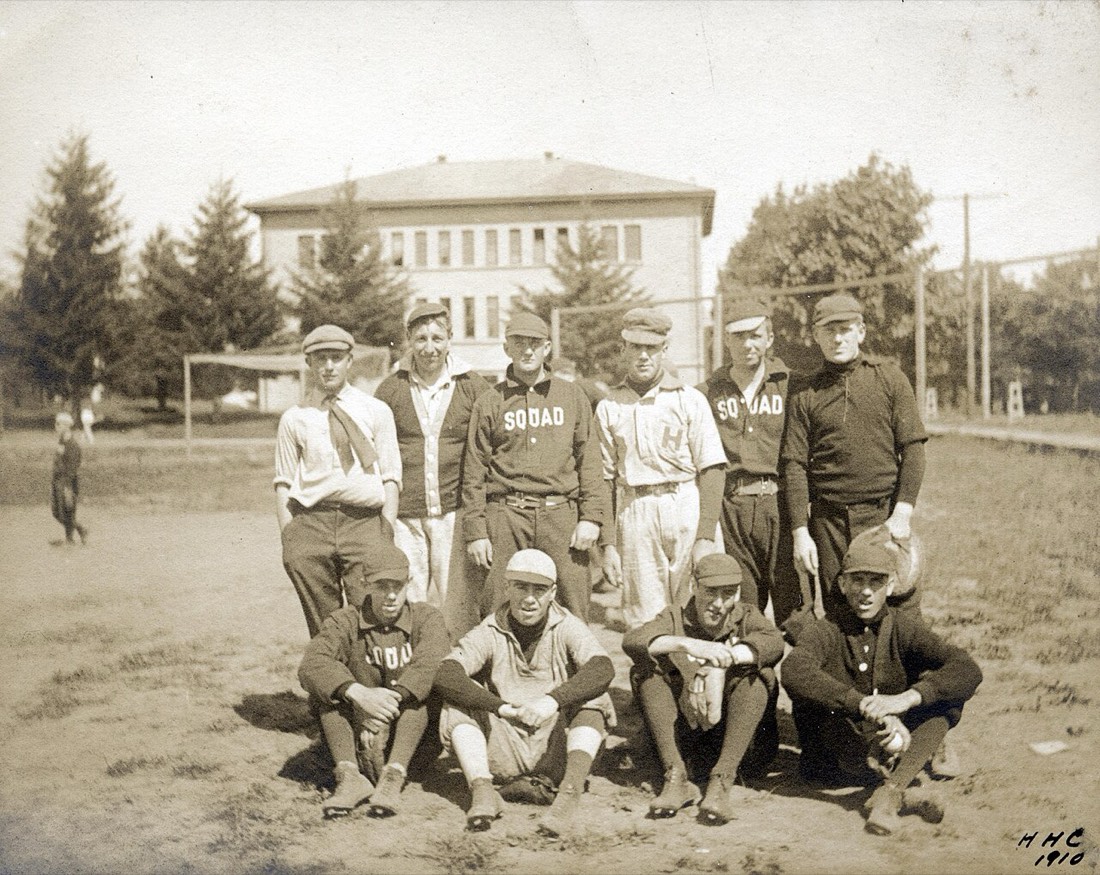
Placing the best hitter is only part of the puzzle, because protection, table-setters, handedness and team psychology all shape how a lineup card is built.
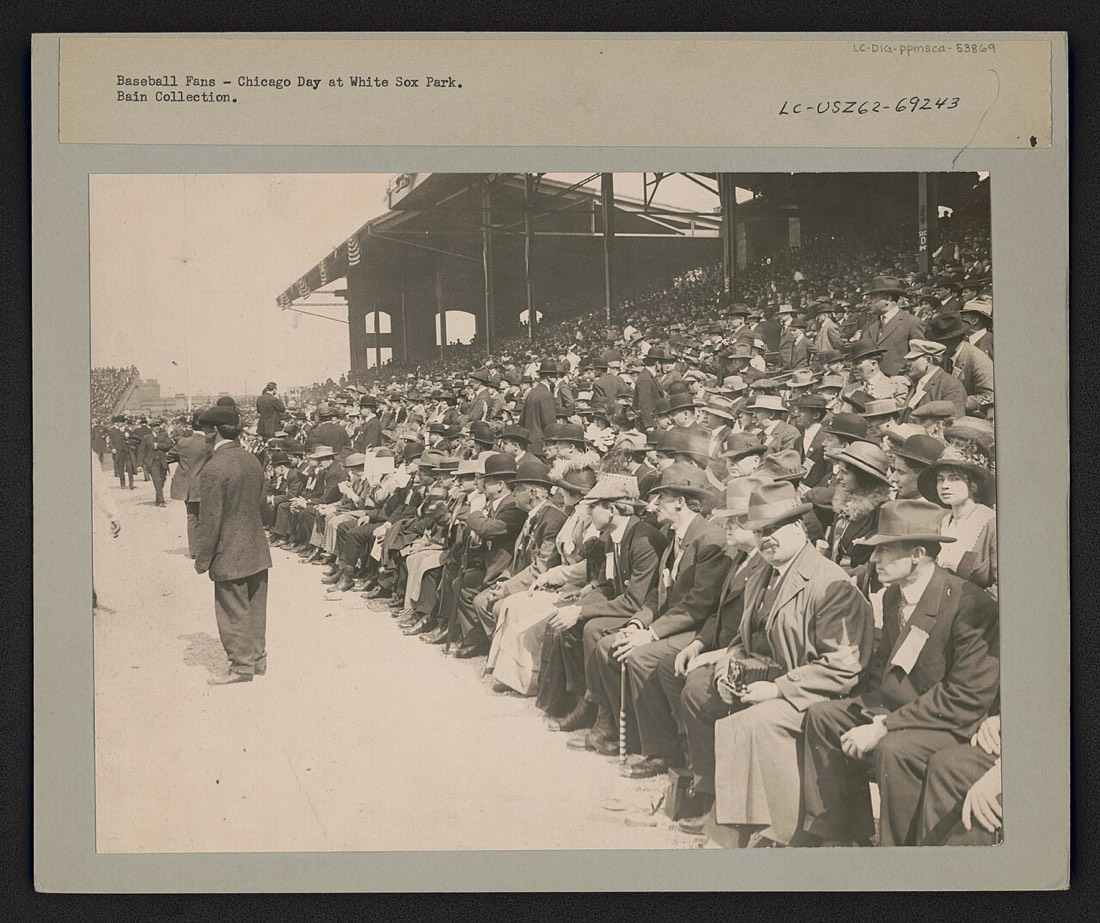
Long before the first pitch and long after the last out, a groundskeeper is shaping the dirt, grass, and lines that quietly decide how the game is played.
Comments
Be the first to comment on this story.