News
Why Some Hitters Choke Up and Why It Works
Choking up shortens the bat, improves control and helps hitters handle wood bats and fastballs, which is why many good hitters adopt it in the right counts.
Wood bats break for clear physical reasons, and players choose replacements by weighing grain, weight, length and feel rather than trusting a single rule.
Anyone who has sat close to the field in a wood-bat league has heard the crack that is not the sound of a good hit. A bat splinters, the barrel flies toward the infield, and the batter stands holding a jagged handle. Breakage is part of wood baseball, accepted by players and coaches as a cost of the game. Yet it is not random. There are reasons a bat fails, and understanding them helps explain why hitters spend so much time choosing which piece of wood to carry to the plate.
Wood bats are cut from a few kinds of timber, each with its own character. Some woods are dense and hard, others lighter and more flexible. Hard woods tend to feel solid and transfer energy well, but they can be brittle. Softer woods are more forgiving and flex a little more, but they may dent or flake over time. No single choice is perfect, and players often switch between types depending on their swing, the conditions and what feels right in their hands.
The structure of the wood matters just as much as the species. A bat is shaped on a lathe from a long billet, and the way the grain runs along the barrel decides how it handles impact. Straight, tight grain running cleanly along the length generally behaves well. Grain that wanders, slopes or ends abruptly near the surface creates a weak line where a crack can start. Experienced players look closely at these lines before they ever swing.
Many hitters hold a bat so that the label faces a certain direction, and this habit has a practical reason. The grain lines are most visible on the sides of the barrel, and the strongest striking surface is usually the edge grain. When the ball meets the face where the grain runs straight across the contact point, the bat tends to cope better. When the ball hits the flat face of the grain, the fibres are more likely to separate and a crack can follow.
Players are often taught to line up the label or logo so it faces up or down, which places the hitting surface on the edge grain. It is a small habit, learned from coaches and teammates, that can reduce breakage over a season. It does not guarantee survival, because mis-hits and weak spots still happen, but it shows how much craft lives inside what looks like a simple stick.
Most breakage comes from a combination of factors. A pitch thrown with high velocity meeting a bat swung hard produces a great deal of force in a tiny moment. If the ball strikes near the handle, the thin part of the bat bends sharply and may snap. If it hits near the end of the barrel, vibration can travel along the wood and cause a split. A mis-hit is much more likely to break a bat than a ball struck cleanly on the sweet spot.
Age and conditions play their part as well. A bat that has taken hundreds of hits may have small internal cracks that cannot be seen. Cold air makes wood less flexible, and very dry conditions can leave it more brittle. Humidity changes can also affect weight and feel. Players who notice a bat sounding duller than usual, a dead ring instead of a clean one, often retire it before it fails in a game.
When a bat breaks, the hitter reaches into his bag for another, but the choice is rarely casual. Players think about length and weight first. A longer bat gives more reach and a bigger arc, while a shorter one feels quicker and easier to control. Heavier bats can deliver more force but are slower to swing, while lighter bats allow quick hands and late decisions. Most hitters settle on a combination that suits their body and approach, then stay close to it.
Balance is another quality that hitters notice immediately. Some bats feel heavy at the end, with a barrel that seems to pull the hands forward, while others feel balanced toward the handle. Hitters who like to drive the ball to all fields often prefer a balanced bat, while power hitters may accept an end-loaded one. The best way to judge is simply to pick it up and take a few practice swings, paying attention to how it feels through the whole motion.
The shape of the handle and the knob is a matter of personal taste. A thin handle gives a whippy feel and good wrist action, but it may be less durable. A thicker handle feels stronger and absorbs shock better. The knob can be flared, which helps the bat stay in the hand, or small, which suits players who like to choke up. The barrel diameter and taper also influence feel, with a larger barrel offering a bigger hitting area but more weight.
Hitters often ask themselves practical questions. Does the handle feel comfortable after fifty swings? Does the barrel seem too heavy by the end of a long game? Do the hands stay relaxed? A bat that feels slightly wrong in practice will feel much worse under pressure. That is why many players try several models in the cage before committing to one for games, and why coaches encourage them to test each bat before trusting it.
Good habits can extend the life of a bat. Keeping bats out of extreme heat and damp helps the wood stay stable, and storing them standing or flat rather than leaning at an angle avoids slow warping. Some players rotate between a few bats so none gets worn out too quickly. Using a bat only for game pitching rather than hitting heavy balls in the cage also reduces unnecessary stress. These small routines do not make a bat unbreakable, but they sensibly improve the odds.
Ultimately every hitter accepts that some bats will break. What matters is learning from it. A split near the handle may suggest the pitch was too far inside, while a crack along the barrel might point to a weak piece of timber. Players who pay attention to these lessons gradually find the model, length and weight that suits them best, and a well-chosen bat becomes part of their routine, a trusted tool that rewards a clean swing.
Choking up shortens the bat, improves control and helps hitters handle wood bats and fastballs, which is why many good hitters adopt it in the right counts.

A pitcher who can land a curveball or slider for strikes gains counts, weak contact and confidence, and the craft depends on grip, release, sequencing and honest practice.
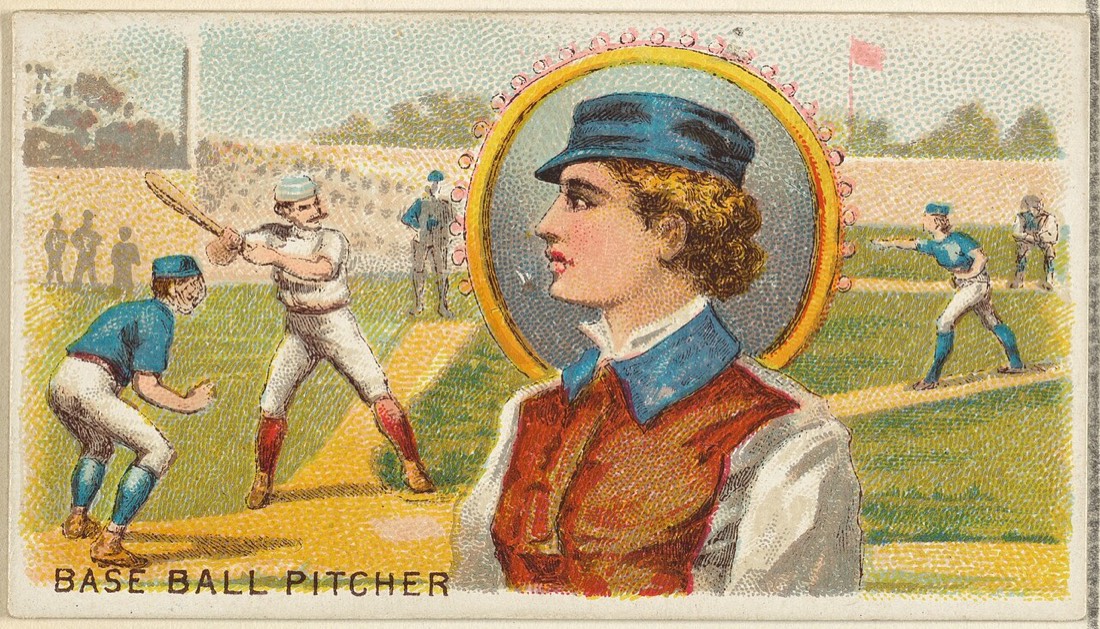
From the smell of the grill to the crack of a wood bat, first impressions at a summer league ballpark reveal what makes small-town baseball special.
Comments
Be the first to comment on this story.