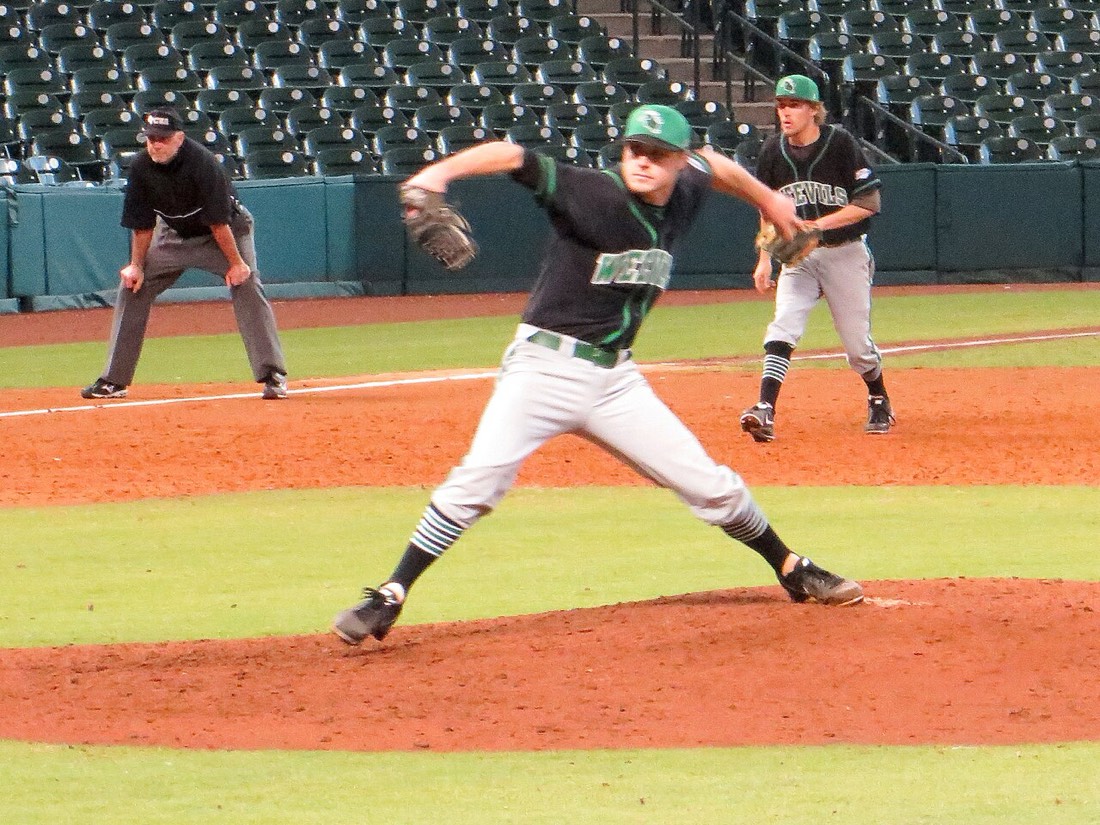
News
The Cutoff Man and the Geometry of a Perfect Relay
Behind every clean outfield throw is a cutoff man whose positioning, communication and angle quietly decide whether a runner scores or stops at third.
From the smell of the grill to the crack of a wood bat, first impressions at a summer league ballpark reveal what makes small-town baseball special.
Most people can remember the first moment they walked into a small ballpark on a summer evening. It is rarely the baseball itself that sticks, at least not at first. It is the light, the smell, the low murmur of a crowd settling into bleacher seats, and the slightly off-key organ or speaker music drifting across a field that is still being raked. Summer league parks are intimate places, and those first impressions shape the whole evening in ways that bigger stadiums often cannot match.
That sound also changes how the game plays out. Wood is less forgiving than metal, so a ball struck slightly off the barrel dies in the infield or breaks the bat entirely. Fans quickly learn to listen for the difference between a true hit and a jammed one. By the third inning, even a newcomer can tell from the noise whether a fly ball is headed for the track or settling into a fielder's glove. It is an education that arrives without anyone intending it.
The pitcher gets his share of noise as well. The pop of a fastball into the catcher's mitt can be heard clearly from the stands, particularly behind home plate, and it gives spectators a feel for velocity that no scoreboard reading quite matches. The umpire's calls, the chatter from the dugouts and the occasional shout from a coach all fill the quiet gaps. Nothing in this soundscape is amplified or polished, and that rawness is exactly what draws many people back.
That scale changes how people behave. Children wander along the fence hoping to catch a foul ball, retired couples sit with folding chairs and blankets, and neighbours greet each other across the aisle. There is rarely a crush at the concession stand. People notice that the seats are not assigned in any rigid way, and that anyone can drift to a different vantage point in the middle of the game, perhaps to the grass beyond the outfield fence for a different view.
Sightlines also reveal the finer points of the sport. From low behind the plate you can see the break on a curveball, and from along the first-base line you can watch a runner's lead and the first baseman's footwork. Because the park is small, the whole field fits into your vision without the need for binoculars or a replay screen. Many fans say that, within an inning, they have noticed things they had never seen on television, and they find the game easier to follow.
Many summer league clubs rely on host families, who open their homes to players for the season, and fans often notice how closely the community is woven into the team. A woman in the front row might be cheering for the infielder staying in her spare room. A man selling programmes may have coached half the local kids. These small connections are rarely announced, but they show in the way people greet the players by their first names and ask about their families.
Between innings, the entertainment tends to be gently homespun. A few children race around the bases, a local business is thanked over the speaker, and someone wins a prize for guessing the attendance. Nothing about it feels slick, and that is part of the charm. Newcomers often remark that they expected to feel like outsiders, only to find themselves chatting with the people in the next row about the pitcher's fastball by the fourth inning.
Fans who return often say the same thing. They came for a ballgame and left with a sense of belonging to something modest and shared. The players, many of whom are hoping for a professional future, are playing with a seriousness that can be felt even in a relaxed setting. Watching them, you sense how much a single summer matters to a young athlete, and how much it matters to a town to host that effort.
So if you ever find yourself at a summer league park, pay attention to what hits you in the first ten minutes. The sound of the bat, the closeness of the field, the smell of the grill and the friendliness of strangers are all part of the same picture. By the time the first pitch is thrown, you may already understand why people keep coming back, season after season, to sit on the same bench.
Behind every clean outfield throw is a cutoff man whose positioning, communication and angle quietly decide whether a runner scores or stops at third.
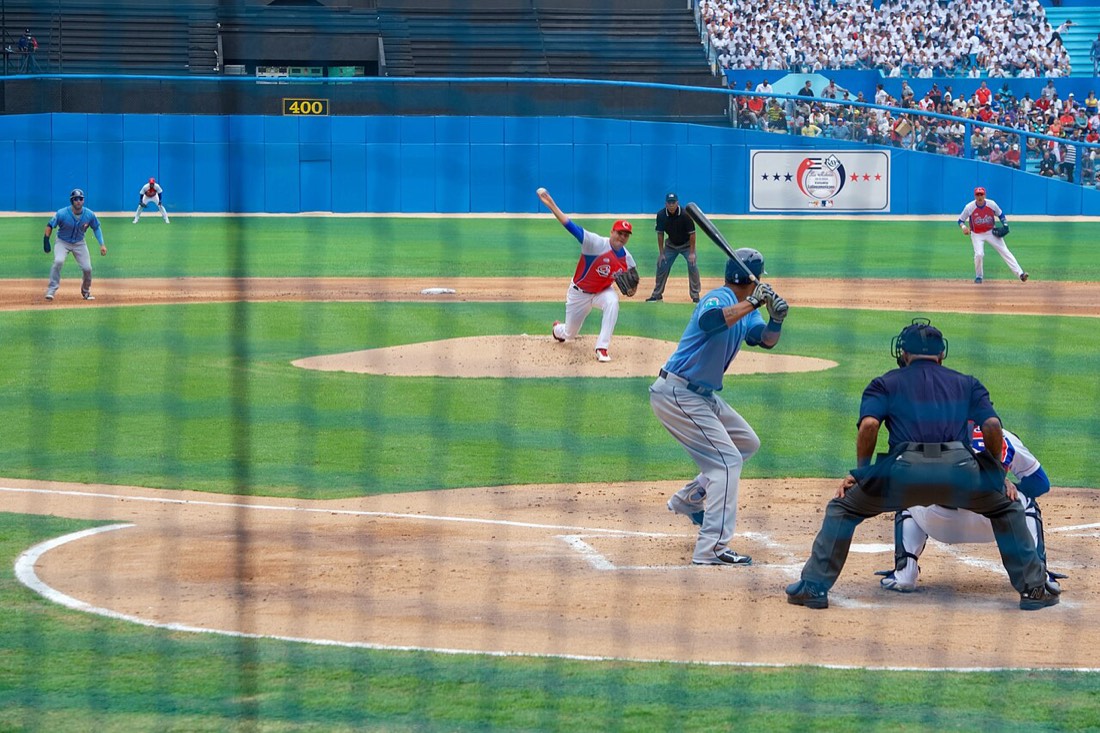
Great hitters change their plan once they have two strikes, shortening the swing, widening the zone and protecting the plate, and summer collegiate players show how that adjustment is learned.
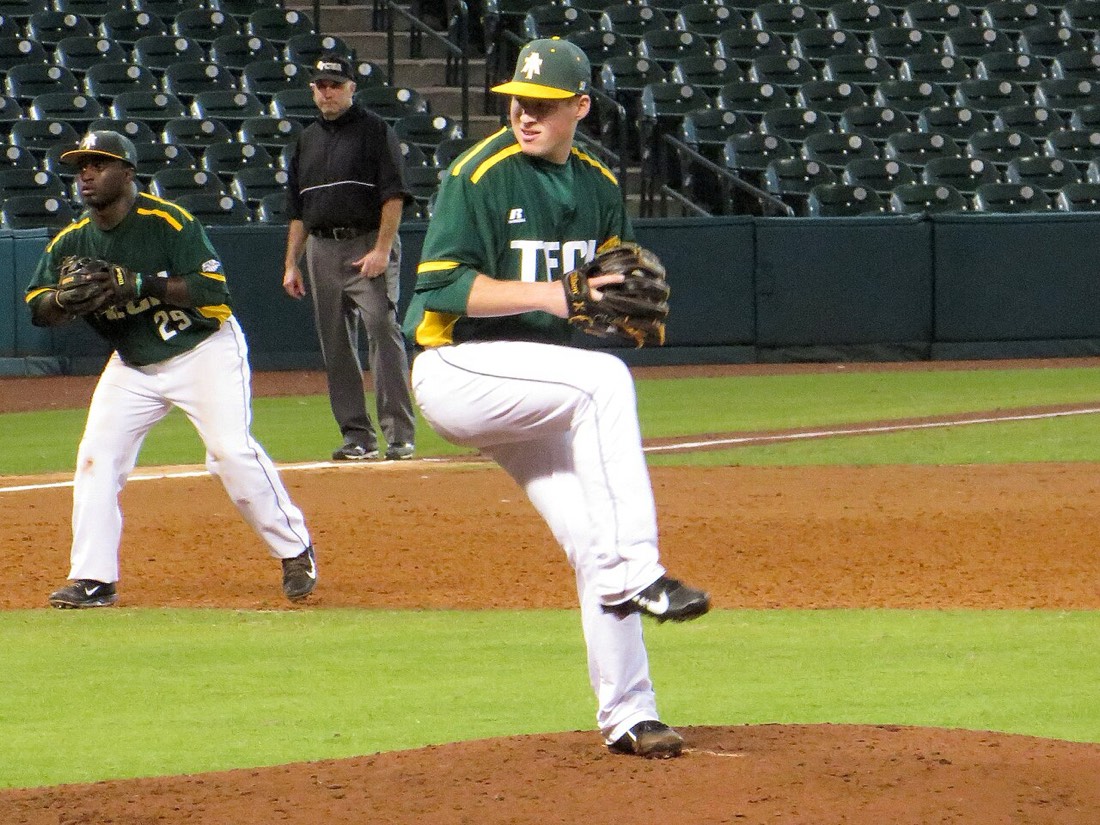
Wood bats, developing hitters, quirky fields and fast-changing rosters all push summer collegiate defences toward subtler, more flexible shifts than the dramatic alignments fans see elsewhere.
Comments
Be the first to comment on this story.