
News
Why Wood Bats Break and How Players Pick a New One
Wood bats break for clear physical reasons, and players choose replacements by weighing grain, weight, length and feel rather than trusting a single rule.
Choking up shortens the bat, improves control and helps hitters handle wood bats and fastballs, which is why many good hitters adopt it in the right counts.
Watch a hitter with two strikes and you will often see his hands slide a few inches up the handle. It looks like a small adjustment, but it changes the way the bat behaves. Choking up shortens the lever, brings the barrel closer to the hands and gives the hitter more control. In summer wood-bat leagues, where bats are less forgiving than metal ones and pitchers throw a steady diet of hard fastballs, the habit makes particular sense. It is a quiet piece of craft with real effects at the plate.
Moving the hands up the bat shortens its effective length. A shorter lever is easier to swing quickly, because the weight sits closer to the hands. That means the barrel can reach the hitting zone faster and respond more readily to a late-breaking pitch. It also makes the bat feel lighter in the hands, which reduces the effort needed to control it. The trade-off is a small loss of leverage, so the ball may not travel as far on a perfect swing.
For many hitters the exchange is worthwhile. Power is only useful when the barrel meets the ball, and a hitter who struggles to make contact gains little from a long, slow swing. Choking up gives a player more command over where the bat goes. It encourages a short, compact path that is helpful against velocity and against pitches on the edges of the zone. Coaches often describe it as trading a little distance for a lot of reliability.
Wood bats have a smaller sweet spot than their metal counterparts, and they punish mistakes more harshly. A ball hit off the handle can sting the hands and die in the infield, while one hit off the end can be weak. Because of this, players in wood-bat leagues have to be more precise. Choking up helps by moving the sweet spot closer to the hands, making it easier to hit the ball squarely. Many hitters notice immediately that their contact feels cleaner and more solid.
Bat weight and length also shape the decision. A heavy, long bat may feel unwieldy, especially against fast pitching. Choking up effectively turns it into a shorter, lighter tool. Some players choose a smaller model, but others prefer to keep the length and adjust their grip depending on the count or pitcher. That flexibility lets them shape the bat to the situation, giving a hitter more options without having to carry several pieces of equipment to the plate.
The most common time to choke up is with two strikes. At that point the goal changes from driving the ball to simply putting it in play. A hitter who shortens up can protect the plate, fouling off tough pitches and waiting for one he can handle. The compact swing helps him make contact with breaking balls that dip out of the zone and with fastballs near the hands. It is a defensive adjustment, but a smart one.
Coaches often teach this as part of a two strike approach. Alongside choking up, hitters widen their stance slightly, shorten their stride and look for the ball deeper in the zone. These habits work together to reduce swings and misses. The result is not always a hit, but it often keeps the at-bat alive and forces the pitcher to throw more pitches. Over a season, those extra grinding plate appearances turn into walks, singles and run-scoring chances.
Not every hitter needs to choke up. Strong, patient sluggers may prefer a full grip to maximise leverage and drive the ball into the gaps. But contact hitters, speed players and anyone still developing consistent timing tend to benefit. A leadoff hitter who relies on putting the ball in play and running may find that the shorter grip fits his style. Defensive specialists in the lineup, who may not have natural power, can also gain by keeping the bat under control.
Smaller players often use the grip for another reason: it matches the bat to their frame. A bat that feels too long becomes more manageable when the hands move up a couple of inches. Coaches sometimes suggest experimenting with different amounts, anywhere from half an inch to several inches, to find a comfortable fit. The right choice depends on strength, swing path and the kind of pitching faced. What works for one player may not work for another, and trial and error is part of the process.
The practical question is how far up to slide the hands. Too little change may not matter, while too much can make the swing feel cramped. Many hitters begin with a small adjustment of an inch or so and see how it feels in the cage. They pay attention to where the ball goes, how solid contact feels and whether they are still able to cover the outside part of the plate. A willing coach or teammate can watch from the side and offer feedback.
Batting practice is a good time to experiment. Hitters can take rounds with different grips, noting the results without the pressure of a game. They might also test the grip against live pitching in a scrimmage. The aim is to build confidence that the adjustment works before using it in a tight situation. Once a player knows how his swing changes, he can move his hands up or down with ease, depending on the count and the pitcher.
Choking up will never be the glamorous part of hitting. It does not produce tape-measure home runs or dramatic bat flips. But it is a reliable tool that has helped countless hitters survive tough counts and hold their own against good pitching. In a wood-bat league, where precision matters more than ever, the technique earns its place. It is easy to learn, easy to adjust and easy to abandon when it is no longer useful.
For young players, the takeaway is to treat the grip as a variable rather than a fixed rule. Try different positions, watch the results and ask questions. Over time, the right balance of power and control will emerge. A hitter who understands why his hands sit where they do has a better chance of improving. And when the count reaches two strikes and the pitcher is throwing hard, a few inches up the handle may be the best decision he makes all night.
Wood bats break for clear physical reasons, and players choose replacements by weighing grain, weight, length and feel rather than trusting a single rule.

A pitcher who can land a curveball or slider for strikes gains counts, weak contact and confidence, and the craft depends on grip, release, sequencing and honest practice.
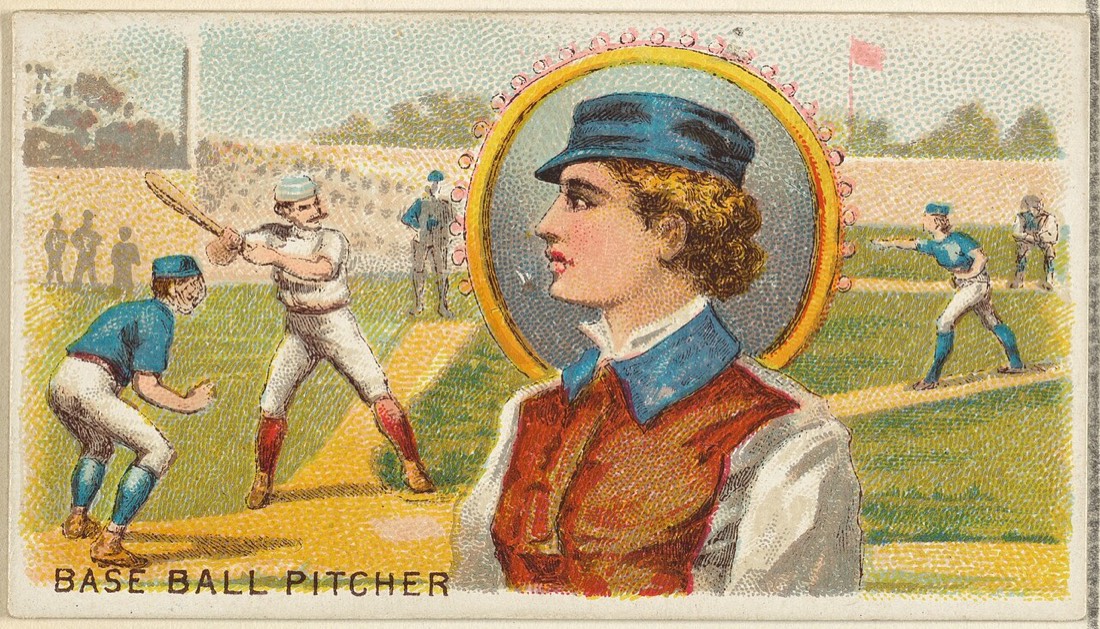
From the smell of the grill to the crack of a wood bat, first impressions at a summer league ballpark reveal what makes small-town baseball special.
Comments
Be the first to comment on this story.