Arriving at a summer league as a first-year player is a strange mixture of excitement and uncertainty. You have just finished a long college season, you are meeting teammates who were rivals a few weeks earlier, and you are about to play nearly every day with a wooden bat in your hands. The schedule is relentless and the roster is crowded. Surviving it, and enjoying it, depends less on talent than on habits, humility and a few practical tricks that experienced players tend to pass down.
The First Week Matters
Your first week sets the tone, so treat it as an audition for being a good teammate. Show up early, learn names quickly and ask questions without apologising. Coaches in summer leagues are juggling many players with different backgrounds, and they notice the ones who listen. You do not need to dominate every drill. You need to be reliable, prepared and open to adjustments, because a roster built in a few days has no history to fall back on.
It also helps to understand that nobody expects perfection. Many players arrive tired or struggling with an unfamiliar bat, and the first few games can feel awkward. Instead of panicking over a slow start, focus on small goals: take better at-bats, field the ball cleanly, communicate on the field. A good first week is mostly about settling nerves and showing coaches that you can handle the pace.
Learning to Love the Wood Bat
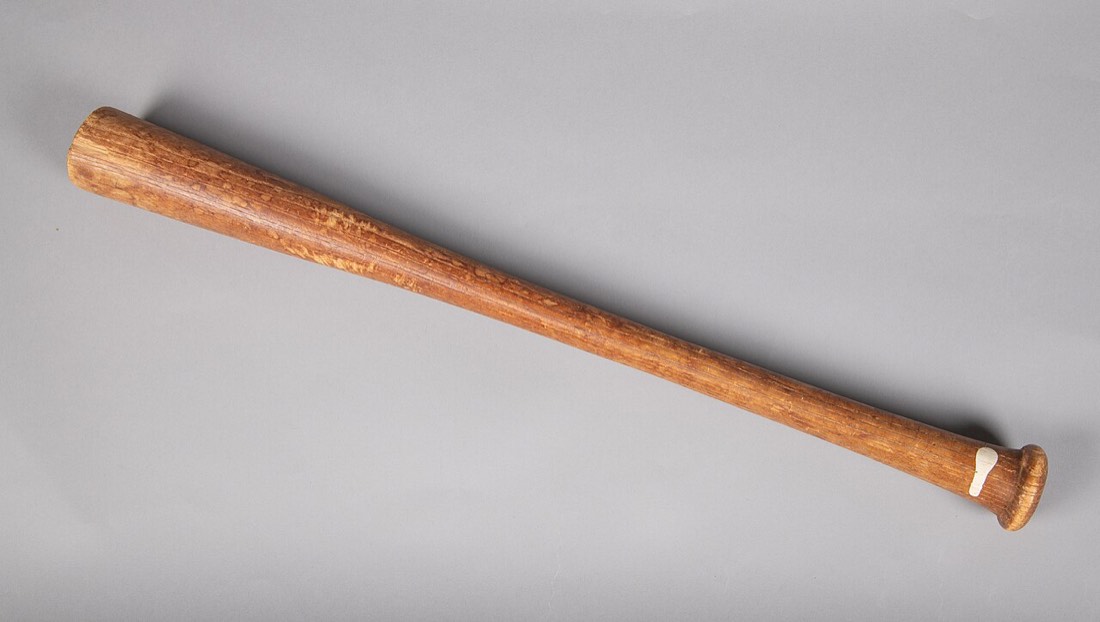
Wood is unforgiving. Miss the sweet spot and you feel it in your hands, and the ball may travel a fraction of the distance you expect. For many first-years, this is the biggest adjustment. The temptation is to swing harder, but the better approach is usually the opposite: shorten the swing, stay balanced and aim for solid contact. Bats also differ in length and weight, and trying a few early in the season can save weeks of frustration.
Pay attention to how your bat wears over time. Wood can chip, crack or develop dead spots, and experienced players learn to inspect their bats before each game. Rotate your bat so the grain faces the right way, keep it dry and treat it with some care. Teammates who have used wood for years will happily share what they know, and listening to them is worth more than watching a dozen video clips.
Managing Your Body Across a Long Summer
A summer schedule can feel like a marathon of sprints. Games come close together, travel adds fatigue, and bodies that were already tired from the spring need extra attention. The basics matter enormously: sleep when you can, eat real meals, drink water throughout the day and stretch even when you do not feel like it. These habits are not glamorous, but they separate the players who finish strong from those who fade in July.
Pitchers have a particular responsibility to be honest about how they feel. A sore arm that gets ignored can become a bigger problem, and coaches would much rather hear about it early. Position players should also speak up about nagging injuries. Summer leagues often have strict guidelines for workloads, and a trainer or coach can help adjust your schedule if you are open about what is happening. Being candid is a sign of maturity, not weakness.
Finding Your Role on a Crowded Team
Rosters are packed with talented players, and playing time can be uneven. You might start the first week and sit the second, or find yourself in a role you did not expect. Accepting that gracefully is one of the most valuable skills you can develop. A player who sulks on the bench becomes a distraction, while one who cheers, prepares and stays ready earns respect. Coaches remember who handled a tough role well.
Many first-years also discover that versatility opens doors. A catcher who can play first base, an infielder who can handle the outfield, or a pitcher who is comfortable in different innings becomes more useful to a manager. Use the summer to experiment and expand your range. You may find a position you enjoy more, or simply gain flexibility that will help you in future seasons. Treat each role as an opportunity to learn something.
Living With a Host Family and New Surroundings
Many summer players stay with host families, and the experience can be one of the most memorable parts of the season. These families open their homes to young athletes they have never met, often providing meals, rides and a bit of everyday warmth. Be a thoughtful guest: keep your space tidy, communicate about your schedule, say thank you often and respect house rules. A little courtesy goes a long way, and many friendships last well beyond the summer.
Settling into a new community also means exploring it. Take a day off to see the town, try a local restaurant or walk along a nearby trail. Time away from the diamond is not wasted; it refreshes the mind and makes the baseball more enjoyable. Players who build a life outside the ballpark tend to handle slumps better, because a bad game does not feel like the whole world.
Building Friendships and Learning From Everyone
The people you meet in a summer league may become lifelong friends, future teammates or valuable connections in the game. Make the effort to talk to players from other schools, because they bring different perspectives and drills. Share what you know and be generous with encouragement. The best clubhouses are those where veterans welcome newcomers and everyone feels they belong, and you can help create that atmosphere simply by being friendly and curious.
Do not hesitate to learn from coaches either. Summer coaches often come from varied backgrounds and may offer ideas you have not heard before. Take notes, try new approaches in the batting cage and ask for feedback after games. Even if you disagree with a suggestion, understanding it will broaden your baseball thinking. The summer is a chance to experiment without the pressure of a full college schedule, so use it.
Carrying the Summer Forward
By the time August arrives, you will be tired, a little sunburnt and probably a better player than you were in June. The real prize is not a stat line but the habits you build: preparation, resilience, curiosity and respect for teammates. Those habits travel with you back to campus, and they quietly shape the kind of player and person you become. A summer roster is a short chapter, but it can echo for years.
When you look back, you will likely remember small moments more than big ones: a late-night bus ride, a shared joke in the dugout, a clutch hit that came from patience. Surviving a summer roster is really about staying engaged with all of it, taking the grind seriously and the experience joyfully. Do that, and the season will give you far more than a line in a box score.
Comments
Be the first to comment on this story.