stories
The First-Year Player's Guide to Surviving a Summer Roster
Arriving at a summer league means a crowded roster, a wooden bat and a relentless schedule, but a few simple habits make the season far easier to enjoy.
Managing arms across a ten-week summer collegiate season means balancing innings, rest and roles, and good coaches build a rotation that adapts as the weeks and workloads pile up.
A ten-week summer season sounds generous until a coach starts counting arms. Pitchers arrive from different colleges with different workloads, different injuries and different expectations, and the league's schedule does not wait for anyone to settle in. Building a rotation in this environment is part arithmetic and part psychology. Every decision about who starts on which day ripples forward through the weeks, and an overworked pitcher in June can become an unavailable one in August, just when the playoffs matter most.
The first task is understanding what each arm has already done. A pitcher who threw a full spring and a deep postseason run for his college has very different needs from one who sat in a bullpen role. Coaches talk to college staffs, ask about recent innings, and sometimes agree to strict limits before a player even arrives. Those conversations shape the rotation more than any preseason scouting report. A talented starter with a tired arm is not an ace; he is a risk.
The calendar adds its own pressure. Summer leagues often play six or seven games a week, with doubleheaders and makeup dates sprinkled in after rainouts or travel delays. A five-man rotation on paper can become uneven in practice, with one pitcher getting extra rest while another is asked to start on short notice. Coaches keep a simple chart on the dugout wall, marking each pitcher's last outing, pitch count and days of rest, so that nobody is guessing when the schedule gets crowded.
Usually the staff is split into three groups: starters who build innings, long relievers who can cover several frames, and short relievers who handle high-leverage moments. The best summer coaches resist the temptation to lock anyone into a role too early. In the first two weeks, they experiment, watching how each pitcher responds to different situations. A reliever might show that he has the stamina to start, or a starter might prove far more effective in short bursts, and the rotation reshapes itself accordingly.
Most summer programmes manage pitch counts carefully, and the better ones do so without making it feel like a punishment. A pitcher who has thrown seventy pitches in four strong innings may be pulled even though he feels fine, because the goal is not just tonight's game but the next five weeks. Coaches explain this directly. Players who understand that rest is part of the plan are far more willing to accept a short outing and a long break in the middle of July.
Rest days also vary from pitcher to pitcher. Some bounce back quickly and want the ball every fifth day, while others need an extra day to feel crisp. Trainers and coaches pay attention to subtle signals: velocity dropping by a mile or two, a curveball that loses its bite, or a delivery that begins to open early. These signs often show up before the pitcher admits to any soreness, and a coach who notices them can adjust the schedule before a minor problem becomes a major one.
Honesty runs both ways. Young pitchers sometimes hide discomfort because they fear losing their spot or disappointing a scout in the stands. A good coach creates an atmosphere where speaking up is rewarded, not punished. Telling a player that skipping a start will not hurt his standing, and then proving it by keeping him in the rotation afterward, builds the kind of trust that keeps a staff healthy through a crowded summer calendar.
No rotation survives contact with a real season unchanged. Injuries, call-ups, players leaving early for fall practice and a few unexpected performances all force adjustments. A starter who struggles with command in June might find his rhythm by July, while a flashy early performer may fade as hitters learn his patterns. Coaches who stay flexible, and who are willing to move a reliever into the rotation or shift a starter to long relief, tend to field the strongest staffs when the standings tighten.
Matchups matter too. A left-handed pitcher with a strong changeup might be saved for a series against a lineup full of right-handed power hitters, while a ground-ball specialist is slotted into a smaller park where fly balls leave easily. These choices are subtle, and they only work when the staff has enough depth to choose. Depth is the real luxury of a rotation, and coaches build it by protecting innings early so there is something left to spend later.
Midseason is often the hardest stretch. Fatigue accumulates, travel wears thin, and the novelty of a summer away from campus fades. Coaches respond by trimming bullpen sessions, mixing in lighter throwing days, and being careful not to pile up high-stress innings. The goal in these weeks is not to dominate every night but to keep arms fresh enough to dominate the nights that count. Patience here pays off dramatically when playoff baseball arrives.
By the final week, the best rotations feel less like a schedule and more like a story. Each pitcher has a role, a few signature outings and some lessons learned about his own body and his own pitches. College coaches reading the reports back home see more than a record; they see how a young arm handled responsibility, adjusted to wood bats, and responded to setbacks. That information is worth far more than a handful of extra wins.
For fans, the pleasure of a well-built rotation is quieter but real. The rhythm of a predictable starter on Friday night, a long reliever who steadies a messy game, and a closer who shuts the door all give a team its identity. Behind that identity lies a spreadsheet, a wall chart and a great many frank conversations. Ten weeks pass quickly, and the staff that reaches the end healthy and confident has usually been planned from the first day.
Arriving at a summer league means a crowded roster, a wooden bat and a relentless schedule, but a few simple habits make the season far easier to enjoy.
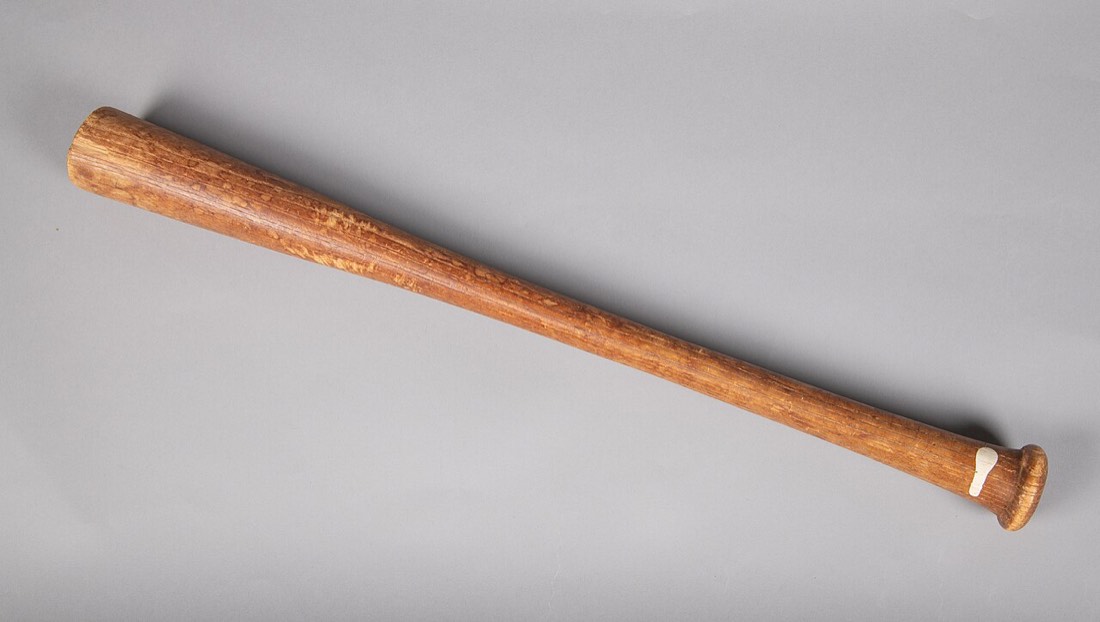
When the long ball goes quiet and runs come one base at a time, the old craft of bunting, stealing, and situational hitting decides who wins the tight ones.
A walk-off rally rarely happens in one swing; it builds pitch by pitch through small decisions, shifting pressure, and compounding tension.
Comments
Be the first to comment on this story.