Every summer, the same quiet pattern appears in a league like this one. Some pitchers wilt as the evening stays warm, their command drifting and their pace slowing. Others look at home in it. Their arms feel loose, their pitches carry life, and they work through innings as if the air were doing half the work. Nobody can claim a simple formula, and it would be foolish to pretend the answer is only talent. Several habits and conditions appear to line up for the pitchers who thrive, and many of them are choices rather than gifts.
A loose arm and an easy warm-up
The most obvious advantage of warm weather is how quickly the body gets ready. Muscles that need long, careful preparation on a cool spring night respond faster in the heat, and pitchers often feel loose after only a few throws. That sensation matters psychologically as well as physically. A pitcher who trusts his arm from the first pitch tends to throw with freedom, avoiding the guarded, tentative motions that creep in when the body feels stiff. Comfort at the start of a game can shape the tone of an entire outing.
Experienced pitchers also learn to avoid overdoing the warm-up on hot days. Throwing too long in the bullpen drains energy that the game will demand later, and the heat adds to the cost. Smart staffs shorten the routine, aim for rhythm rather than volume, and keep the pitcher shaded and hydrated until the final minutes. The arm may be ready sooner, yet it has to last. Those who understand that balance often discover that their first inning is crisp and their fifth is just as sharp as their second.
Pace, rhythm and reading the evening
Heat changes the feel of a game. Fastballs can seem to carry a little more, and the ball can travel differently when the air is warm and dry. Pitchers who adapt without fuss tend to stay ahead of hitters who are still adjusting to the conditions. They learn to attack the zone early, trusting that a quick pace keeps the defence alert and the batter off balance. Working fast also limits the time spent standing in the sun between pitches, which is a modest but real kindness to a tired body.
Rhythm, in the end, is what the successful warm-weather pitcher protects. He settles into a tempo that feels natural and refuses to be hurried or slowed by anything the opponent tries. A stuck rhythm is easy to spot from the dugout, with the shoulders rising, the breaths shortening, the delivery tightening. Players who thrive in the heat seem to breathe more deeply and sequence more calmly. They treat the evening as a long, steady conversation with the catcher rather than a series of separate crises.
Preparation that begins the day before
Thriving in the heat is rarely an accident of the afternoon. Pitchers who handle it well usually build habits that start long before first pitch. They eat sensibly, drink water throughout the day, and rest in cool, shaded places before the game. They also pay attention to sleep, since a poorly rested arm will struggle under any conditions. None of this is dramatic, yet it adds up. The difference between a pitcher who finishes the sixth inning strongly and one who fades is often hidden in the previous twenty-four hours.
Equipment and clothing play a small role as well. Breathable fabrics, a clean cap, a towel kept within reach and a spare shirt for the dugout can make a long evening more bearable. Coaches who watch their pitchers closely also learn to read the signs of fatigue: a longer pause between pitches, a stray glance toward the bench, a slight loss of finish on the breaking ball. Catching those signals early lets the staff make a change before a small problem becomes a rally for the other side.
The mind in the warm air
There is a psychological dimension too. Some pitchers simply enjoy summer ball. They grew up on warm fields, they associate the heat with fun, and the discomfort barely registers. That ease translates into relaxed shoulders and clearer decisions. Others fight the weather, complaining quietly and noticing every drop of sweat, and their focus slips toward the conditions rather than the batter. Attitude does not change the temperature, but it changes how much of the player's attention is available for the next pitch.
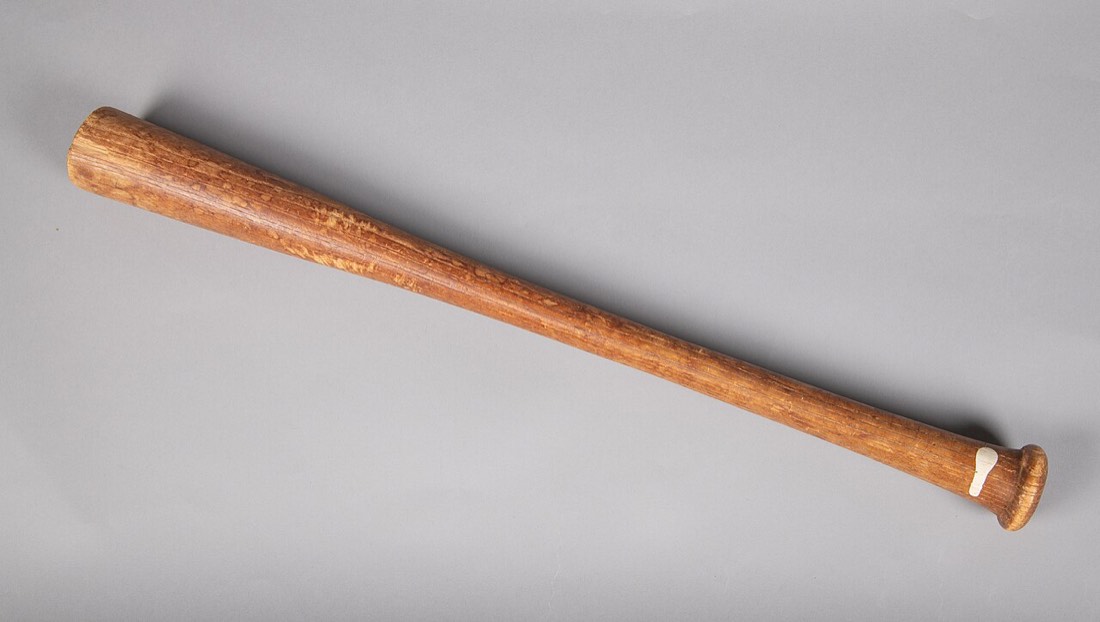
Experienced pitchers often speak about treating heat as another fact of the job, like a windy day or a short mound. They accept it, plan for it, and move on. That acceptance frees up energy for the real contest. A pitcher who stops arguing with the evening can concentrate on location, tempo and the shape of each pitch. In a wood-bat league, where one careless fastball over the plate can leave the park, that kind of mental economy is worth as much as another mile an hour.
What the rest of us can notice
From the stands, the pitchers who thrive in the heat look unremarkable. They do not pace, they do not complain, and they do not appear to rush. They throw strikes, field their position, and walk off at the end of an inning as if nothing unusual has happened. That calm is the product of preparation, rhythm and temperament working together. Next time the evening is warm and a starter keeps cruising, watch his routine between pitches. The secret may not be strength at all, only a carefully practised refusal to be bothered. Teams that keep notes on how their pitchers feel after warm nights often spot patterns that are invisible to a single observer. One starter may fade after the fifth inning no matter what, while another seems to grow stronger as the sun goes down. Those small records help a staff choose who should open, who should follow, and who should finish a game.
Comments
Be the first to comment on this story.