Analysis
The Long Toss Debate and Arm Strength in Summer Ball
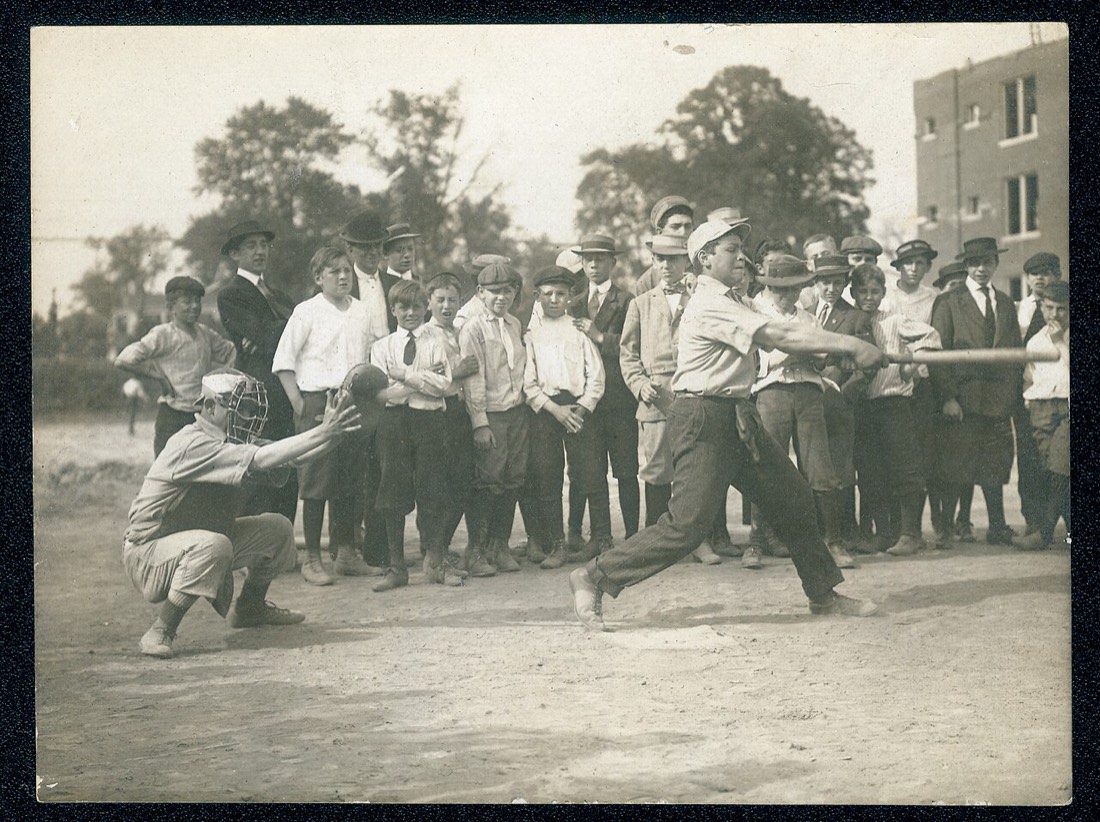
Long toss divides coaches because it can build arm strength and rhythm, but its value depends on dosage, purpose and the demands of a busy summer schedule.
The opening days of a summer season are when strangers become teammates, and coaches use simple, deliberate habits to turn a new roster into a united group.
A summer collegiate roster is a strange creation. Players arrive from programmes across the country, some knowing nobody, some carrying the confidence of a successful spring, others quietly nervous about whether they belong. Within a few days they must share a clubhouse, ride the same buses and trust each other in tense moments. Coaches have very little time to build that bond, so the first week matters enormously. The habits they set in those early days often shape the mood of the entire summer, for better or worse.
The simplest thing a coach can do is make sure everyone knows everyone. It sounds obvious, but a roster of thirty players from different schools takes time to learn. Many staffs begin with a short introduction session where each player says his name, school, position and one thing nobody would guess about him. The answers are often funny or surprising, and they break the ice better than any speech. A player who admits he has never seen the ocean, or that he once raised chickens, becomes a person instead of a number.
Name tags on lockers, a shared whiteboard with hometowns and a simple seating plan on the first bus ride can all help. Coaches also take care to learn names quickly themselves, because a player who is called by his name feels noticed. Little courtesies at this stage are valuable. A veteran who greets a nervous newcomer by name, or a coach who remembers a detail from a short chat, sends a message that this group pays attention to its people.
Chemistry does not mean everyone becomes best friends. It means everyone understands what the team expects and trusts that others will do their share. In the first practice, coaches usually explain how the summer will work: how playing time will be decided, what the schedule looks like, and what behaviour is expected on and off the field. Players who know where they stand can relax, while those left guessing tend to worry and drift into small groups of the people they already know.
Honesty about playing time is especially important. In a summer league, many players have been stars at their college and now find themselves sharing innings and at bats with others of similar ability. A coach who explains that roles will change, that rotation is part of the plan and that development matters as much as results helps avoid resentment later. Players may not love every decision, but they respect a staff that is clear and consistent about the reasons.
The practice field is the best place to build trust, because the work is shared and the pressure is low. Coaches design early drills so that players mix with different teammates rather than staying with their friends. A pitcher may throw to a catcher he has never met, infielders work with unfamiliar partners, and outfielders learn each other's calls in the gaps. Those small repetitions build the quiet understanding that decides close plays in July.
Competitive games also help, as long as they stay friendly. A relay race, a bunting contest or a scrimmage with mixed teams gives players a reason to laugh, shout and cheer for each other. The goal is not to find a winner but to create shared moments that the group can remember. A joke from the first Tuesday practice can become a running theme that lasts all summer, and those small traditions are the glue of a young team.
Much of team chemistry is formed away from the diamond. Long bus rides, meals at the ballpark, and evenings at host family homes give players time to talk, argue and get to know each other. Coaches often encourage these moments without forcing them. A team dinner in the first week, a visit to a local beach or a simple barbecue can do more for unity than an hour of lecturing. The important thing is that players feel relaxed and included.
Host families play a quiet but valuable role. A player staying with a welcoming family has a stable base and someone to talk with when homesickness hits. Coaches who stay in touch with those hosts can spot problems early, such as a player who is sleeping badly or feeling lonely. Looking after the person off the field tends to improve his performance on it, and teammates who see the staff caring this way often follow the example.
Coaches usually avoid naming captains in the first week. Instead they watch to see who naturally steps forward: the player who stays late to help clean up, who talks to the shy newcomer or who keeps his head up after a bad at bat. Those habits matter more than a loud voice or a big résumé. Later in the summer, the staff may ask those players to speak for the group, and the team usually accepts them because their leadership grew out of behaviour rather than a title.
Veterans who have played in the league before can be especially useful. They know the bus routes, the quirks of each ballpark and the unwritten rules, and they can pass that knowledge to newcomers. A coach who asks a returning player to look after a freshman is giving both of them a role. The freshman gets a guide, and the veteran gets a chance to show maturity, which is an excellent start to a team culture built on mutual help.
Even with all this care, the first week rarely goes perfectly. There will be errors, lost games and moments when someone gets frustrated. How the group reacts is a test of its chemistry. A team that has begun to trust each other will pick up a struggling teammate, while one still made of strangers will go quiet and blame. Coaches often say that an early loss is useful, because it shows what the group does under pressure and gives them something to work on together.
By the end of the first week, a good staff can feel the difference. The dugout is louder, the jokes are sharper, and players are cheering for teammates who are not even in their position battles. That is not an accident. It comes from small decisions made again and again: introducing people, explaining roles, mixing the groups and caring for the person as well as the player. Those habits make a summer team feel like a team, long before the standings say so.
Long toss divides coaches because it can build arm strength and rhythm, but its value depends on dosage, purpose and the demands of a busy summer schedule.
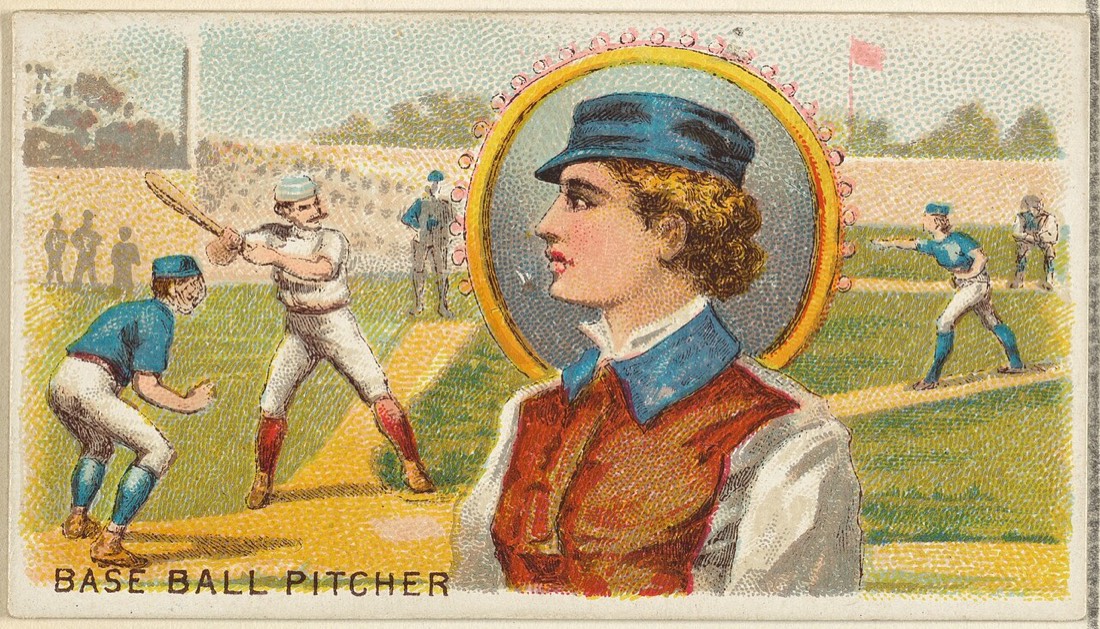
Good first basemen turn difficult throws into routine outs, and the footwork and glove work behind that skill are far more demanding than most fans realise.
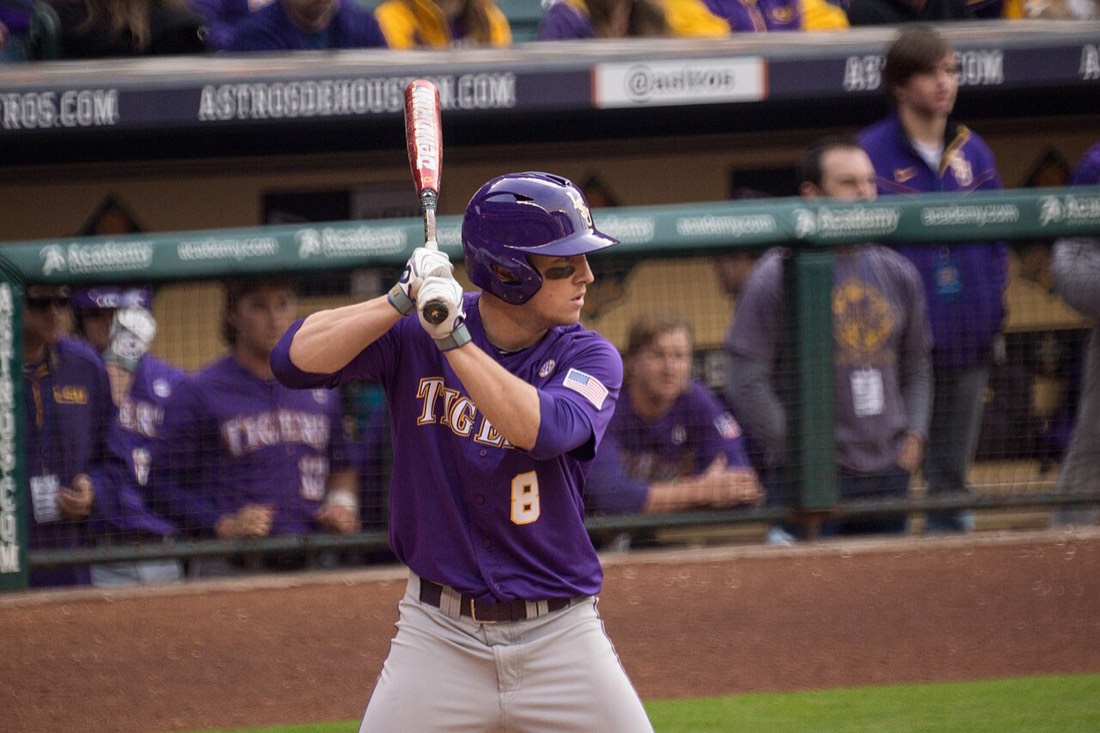
Summer collegiate teams treat travel days as part of the game plan, balancing bus miles, meals, sleep and practice time so players arrive ready to compete.
Comments
Be the first to comment on this story.