Analysis
Building Team Chemistry in the First Week of Summer
The opening days of a summer season are when strangers become teammates, and coaches use simple, deliberate habits to turn a new roster into a united group.
Long toss divides coaches because it can build arm strength and rhythm, but its value depends on dosage, purpose and the demands of a busy summer schedule.
Few topics in baseball spark as many friendly arguments as long toss. Some coaches swear by it as the best way to build arm strength, while others worry that it adds unnecessary stress to arms already carrying a heavy summer workload. Both sides have a point. Summer collegiate ball puts pitchers and position players through a demanding schedule, with games almost every day and limited recovery time. In that setting, the question is not whether long toss is good or bad but how, when and for whom it should be used.
At its simplest, long toss is a progressive throwing program in which players gradually increase the distance between partners, then work back in. The idea is that stretching the arm out encourages a longer, freer motion and builds the ability to throw hard. Proponents say it helps players feel loose and teaches them to use their whole body. The distances can be quite large, with arcing throws that travel a hundred feet or more, though plenty of players work at shorter ranges that still serve the same purpose.
The shape of the throw matters. Many programs ask players to throw on a rope, meaning a flatter line, as the distance grows, rather than simply lobbing the ball into the air. That approach keeps the mechanics closer to a game throw, and it demands a firm release. When used carefully, long toss can also teach a player to feel the ball come out of the hand cleanly. These benefits explain why the exercise is popular across levels, including summer leagues.
Supporters point out that arm strength develops through gradual, repeated effort, and long toss offers a simple way to apply it. Players can monitor how they feel and add distance only when ready. The routine can be done with a partner anywhere, which makes it practical for teams without elaborate equipment. For outfielders, it also mimics the demands of throwing from deep positions. A player who regularly stretches out will probably feel more comfortable on a long throw to the plate.
There is also a mental side. Players who work at longer distances often report a sense of freedom, as if the arm is allowed to move naturally. The exercise breaks up the monotony of short catch and keeps practice enjoyable. Coaches who value rhythm and feel may see long toss as a way to sharpen both. Many veteran players have rituals built around it, using the routine as a warm-up and a way to check in with how the arm feels on a given day.
Critics worry about volume and intensity. A long, all-out throw puts stress on the shoulder and elbow, and doing it daily over a long season can accumulate. Pitchers with heavy game schedules already throw plenty, so adding extra high-effort throws may not be wise. There is also concern that arcing throws can change mechanics, encouraging a pitcher to rely on a different arm path than they use on the mound. These objections are reasonable, especially for young players still developing.
Skeptics also point out that arm strength is not the only goal. Command, deception and durability matter just as much. A pitcher who spends too much energy on distance may reach the bullpen tired. For this reason, many coaches treat long toss as one tool among several, reserving it for particular days or using it at moderate distances. The key is to respect the arm's limits, listen to feedback and adjust the program to the individual rather than following a rigid formula.
Summer ball changes the equation. With games nearly every night, players have limited time between outings, and recovery becomes the priority. Starting pitchers may use long toss on lighter days, keeping the distances moderate and the effort easy. Relievers may stick with short catch, saving energy for appearances. Position players often take the longest throws, since their arms are used in bursts rather than in a repeated pitching motion. Coaches should tailor routines to roles instead of applying one plan to everyone.
Timing also matters. Many programs avoid long toss on the day before or after a start, using it instead in the middle of the cycle. Some teams build the routine into pregame, where it serves as part of a warm-up. Others reserve it for off days or practices. Whatever the choice, a clear plan helps. Players should know when to push distance, when to stay short and when to skip the exercise altogether, depending on how their arms feel and what the schedule demands.
An important rule is to pay attention to how the arm feels. Pain, unusual fatigue or a loss of command may signal that a player should back off. Coaches encourage honest communication, so players do not hide soreness out of fear of losing a spot. A culture where players report discomfort early is safer than one that rewards toughness at any cost. Long toss should leave an arm feeling warm and loose, not drained or sharp.
Trainers and coaches can also watch for patterns. If a pitcher's velocity drops or his release point shifts, it might be time to reduce volume. Keeping simple notes about throwing days and how players felt can reveal trends over a season. These observations are not scientific, but they help staff make sensible decisions. The goal is to support the arm through a long summer, not to chase a single distance for its own sake.
So where does that leave the debate? Long toss is neither miracle nor menace. It is a tool that can help build arm strength, rhythm and confidence when used with care. It can also add stress if misused. In summer ball, with its heavy schedule and short recovery windows, the sensible approach is moderation: use it in measured doses, match it to the role and listen closely to the arm. Coaches who do that get the benefits without the drawbacks.
For young players, the best advice is to learn how their own arms respond. Experiment with distances, track how the arm feels the next day and talk openly with staff. Over time, a routine emerges that fits. Whether it includes long throws or not, the aim is the same: a healthy, confident arm that can handle a long season. The debate will continue, but players who think carefully about purpose and dosage will make good decisions.
The opening days of a summer season are when strangers become teammates, and coaches use simple, deliberate habits to turn a new roster into a united group.
Good first basemen turn difficult throws into routine outs, and the footwork and glove work behind that skill are far more demanding than most fans realise.
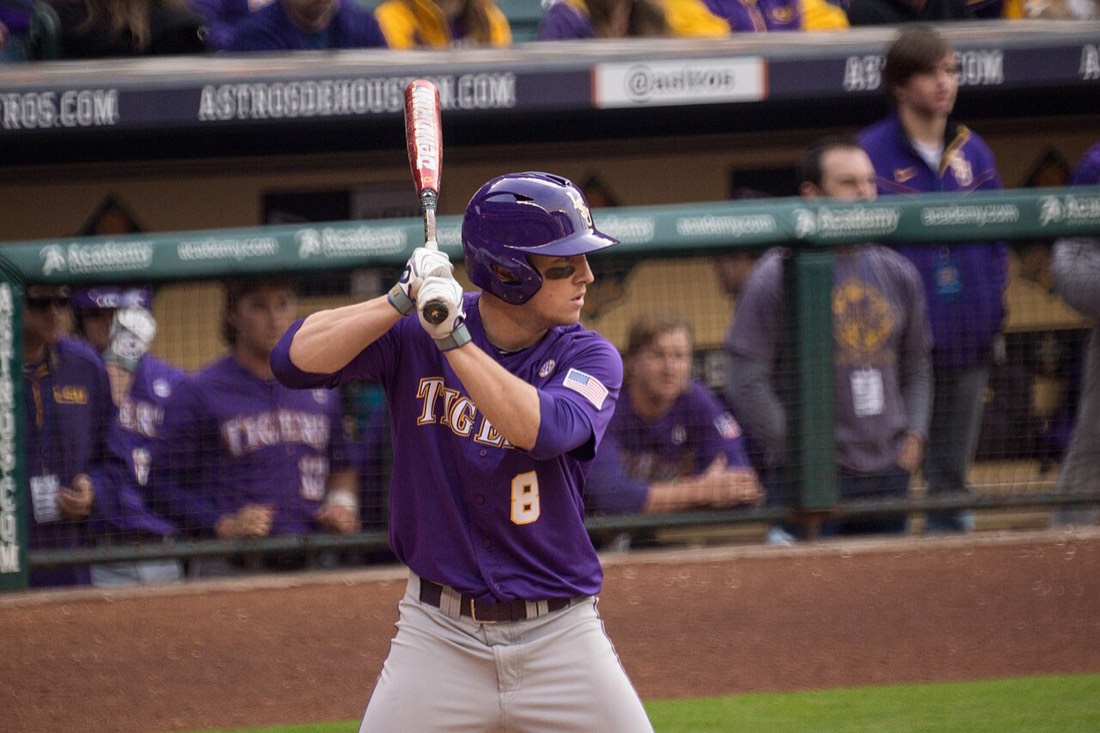
Summer collegiate teams treat travel days as part of the game plan, balancing bus miles, meals, sleep and practice time so players arrive ready to compete.
Comments
Be the first to comment on this story.